Nazar evil-eye beads
Meaning
The nazar (Arabic 'sight') is a glass bead of concentric circles, dark blue, white, light blue and black: an eye that looks back. The envious glance meets another eye instead of its target.
Intent
It absorbs or deflects the evil eye, the harm that envy does, even unintentionally. It is pinned on babies, hung in houses, cars and workplaces, and built into new buildings. A cracked nazar is thought to have done its job and must be replaced.
Significance
It is the world's most mass-produced protective object and a national symbol of Turkey and Greece (mati). It has its own emoji (🧿, added in 2018) and continues an eye-bead tradition over 3,000 years old.
History
Eye beads appear in Egypt and Mesopotamia by the 15th century BCE and were spread by Phoenicians. The Turkish nazar boncuğu tradition centres on glassmakers of İzmir (Görece and Kurudere villages) and dates back at least to the Ottoman period.
Making yours
Flame-worked or furnace-wound glass. Cobalt disc, white ring, pale blue ring, black pupil. 1–20 cm.Islamic World: the tradition
Islamic theology distinguishes forbidden amulets (tama'im, charms trusted in themselves) from permitted protection by God's word, so the characteristic Islamic amulet is textual: Qur'anic verses, especially the Throne Verse (2:255) and the last two suras, the Mu'awwidhatayn, along with the Ninety-Nine Names of God, magic squares (wafq) and the Seal of Solomon. Scholars such as al-Buni (d. 1225) wrote manuals of letter and number magic. The hand of Fatima and the blue eye bead came from pre-Islamic Mediterranean practice and remained hugely popular. Talismanic art reached a peak at the Ottoman, Safavid and Mughal courts in shirts, armour, bowls and seals.
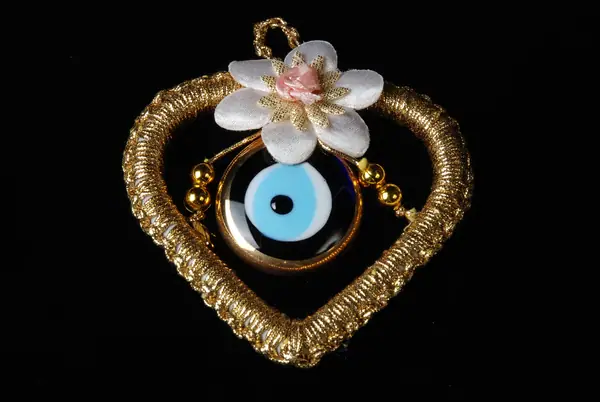 Glazen Turks oog, nazar bonjuk, hangend in goudkleurig hartmotiefNetherlands · 2000
 [Dignatarios nazaríes de la Sala de los Reyes del Palacio de la Alhambra] [Material gráfico no proyectable]Spain · 1766
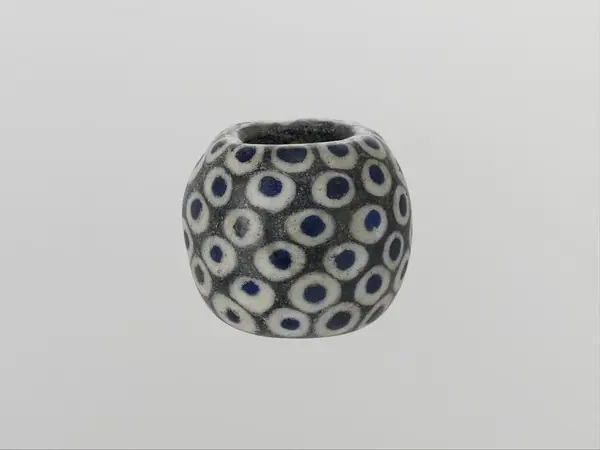 Glass eye bead4th century B.C.
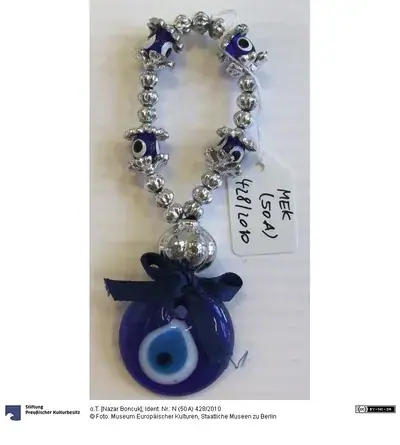 o.T. [Nazar Boncuk]Germany
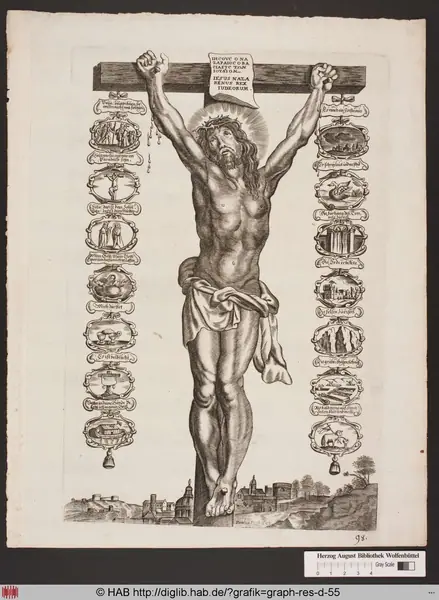 Iesus Nazarenus Rex Iudeorum.Germany
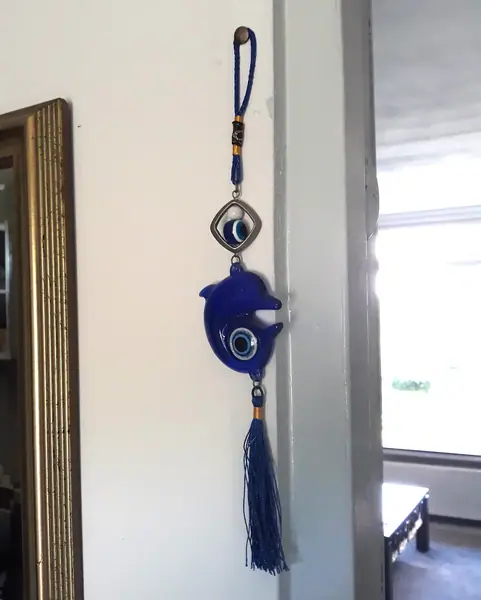 Protect from evil eyeGroningen
 Nazar Prokofjevitsj Sjirin (1904–1943), sovjetisk krigsfange. Gravminne på Aukra kirkegård.Norway
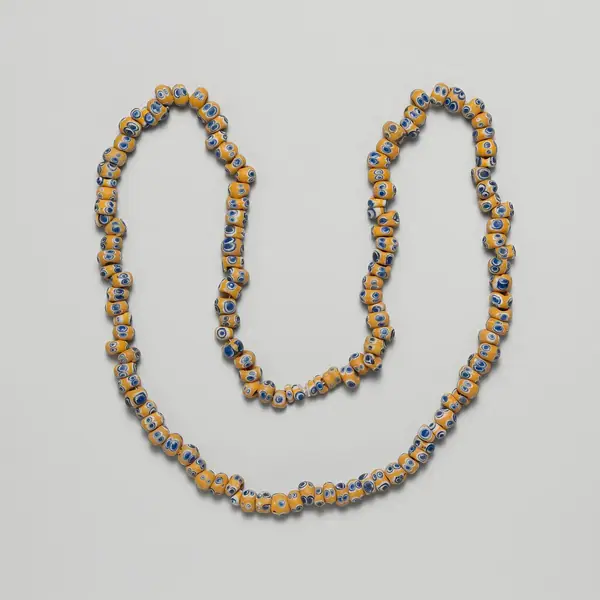 Glass eye beadscirca 330–70 B.C.
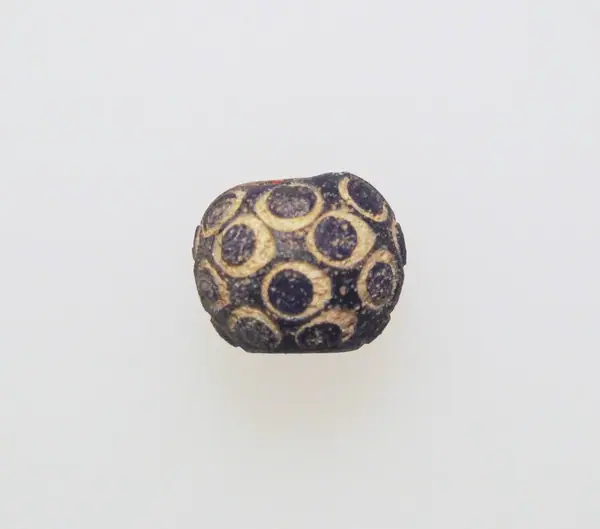 Glass eye beadca. 4th century B.C.
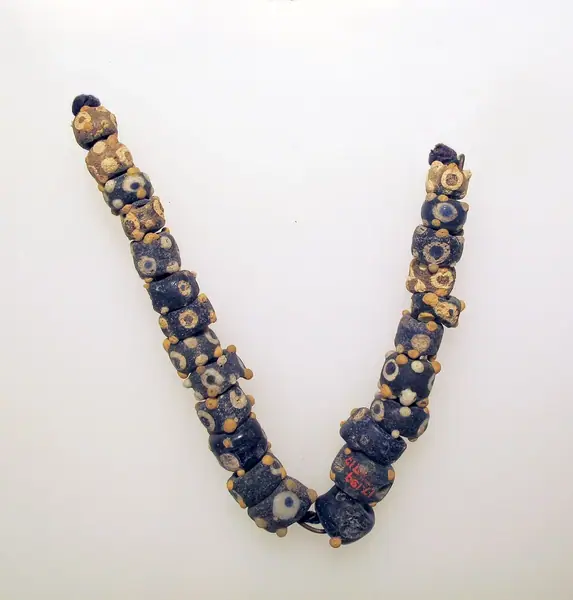 Glass eye beads4th–3rd century B.C.
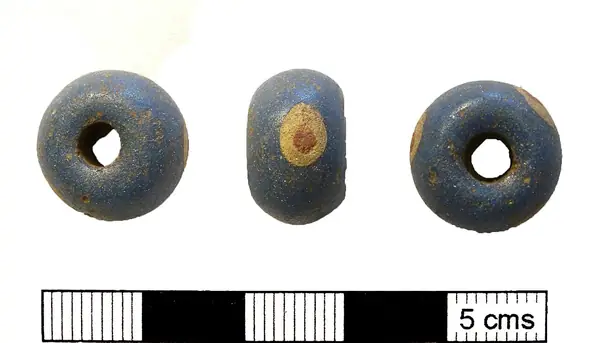 Iron Age or Roman Beadbetween 100 BC and 200
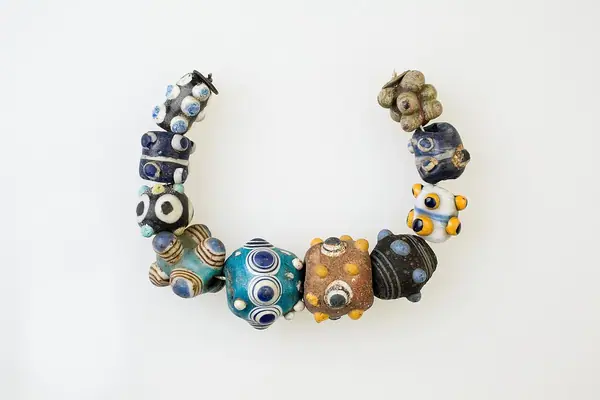 String of 10 Beads400–200 BC Period: Late Period–Ptolemaic Period
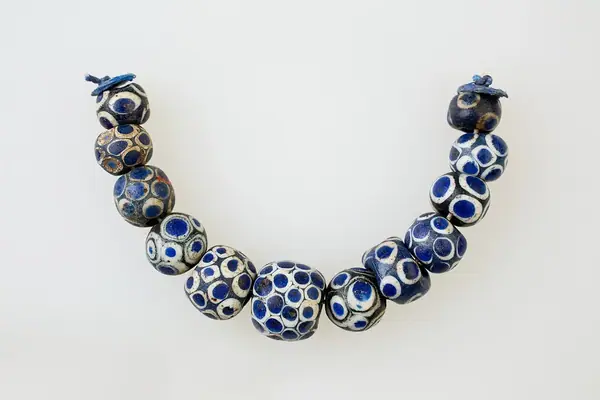 String of 12 Eye Beads600–200 BC Period: Late Period–Ptolemaic Period
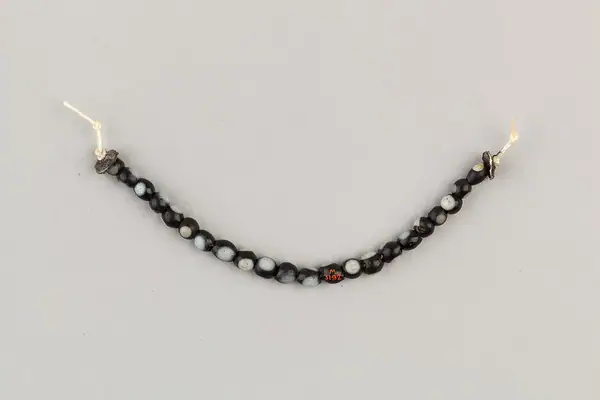 String of 22 eyed beadscirca 1295 date QS:P571,+1295-00-00T00:00:00Z/9,P1480,Q5727902 –1186 B.C. Period: New Kingdom Dynasty: Dynasty 19
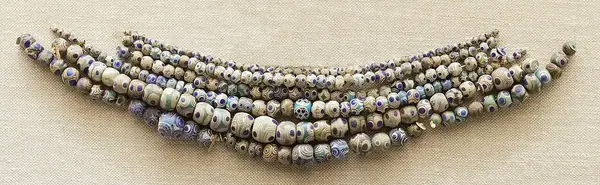 String of 32 Eyed Beadsmid 10th–late 8th century BC Period: Third Intermediate Period
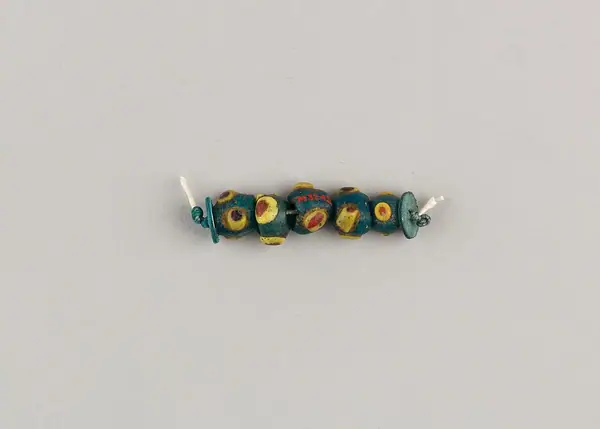 String of 5 eyed beads525–332 B.C.? Period: Persian Period to Late Period ?
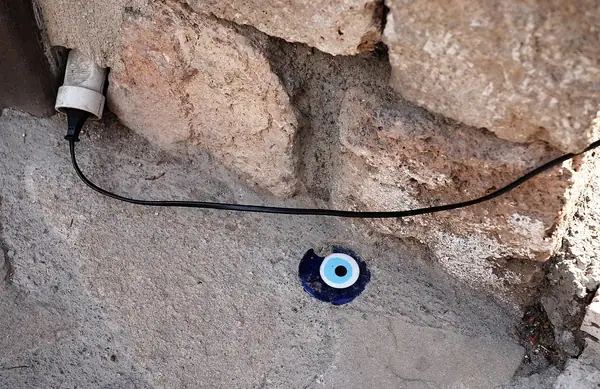 Turecko Nazar amulet
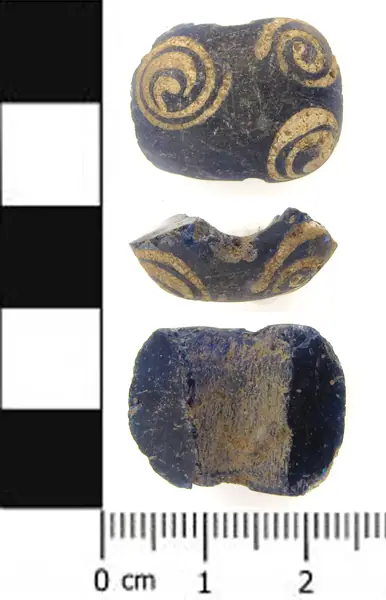 an Iron age or Roman glass beadbetween 300 BC and 400
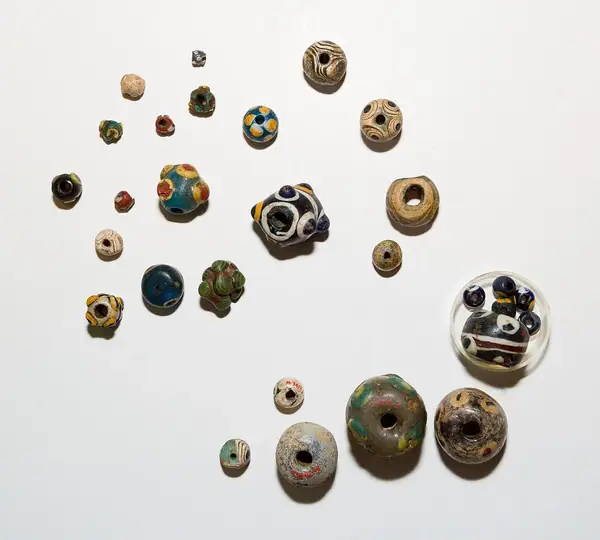 Composite eye bead5th Century B.C. to 1st Century A.D. Period: Late Period or Roman Period
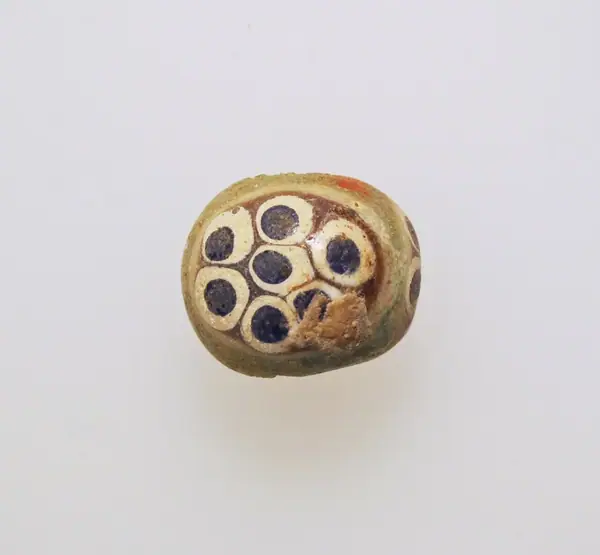 Glass compound eye beadca. 4th century B.C.
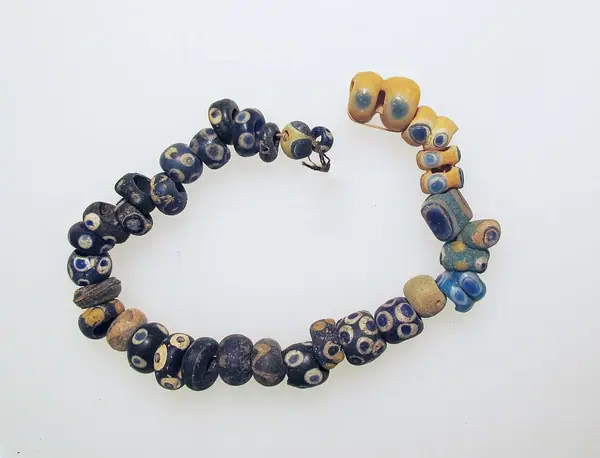 Glass eye beads6th–4th century B.C.
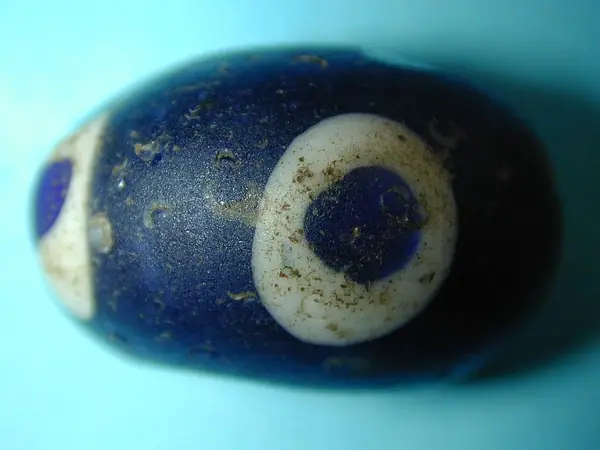 Iron age beadbetween 50 BC and 410
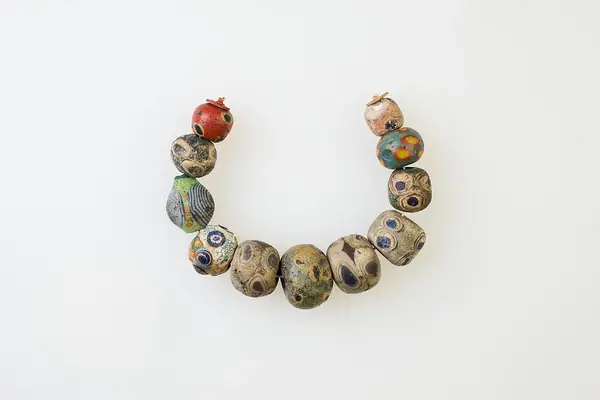 String of 11 Eye Beads6th–3rd century BC Period: Late Period–Ptolemaic Period
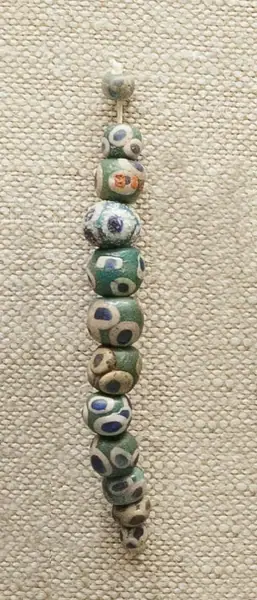 String of 12 Eyed Beads7th–10th century Period: Islamic
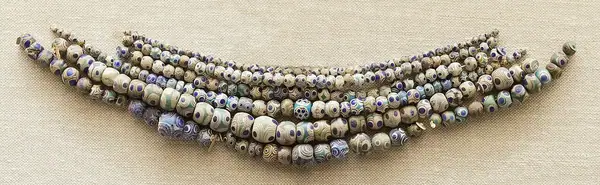 String of 26 Eyed Beadsmid 10th–late 8th century BC Period: Third Intermediate Period
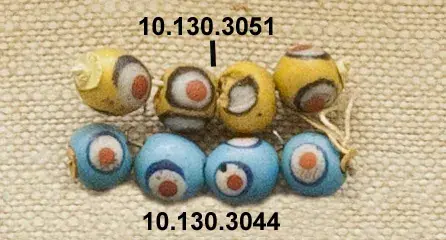 String of 4 Eyed Beads1200–1070 BC Period: New Kingdom
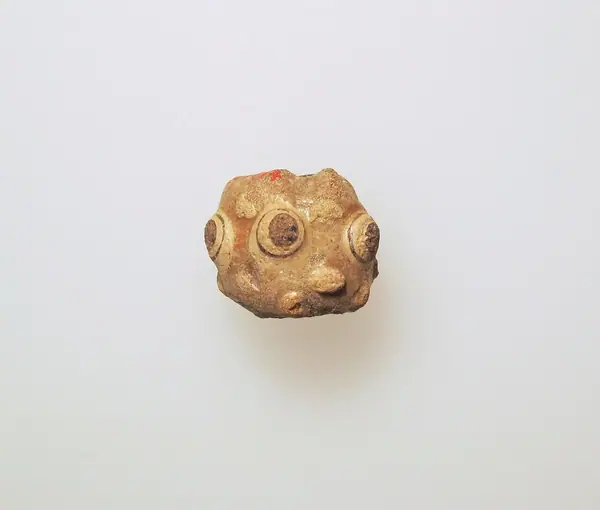 Glass eye bead4th–3rd century B.C.
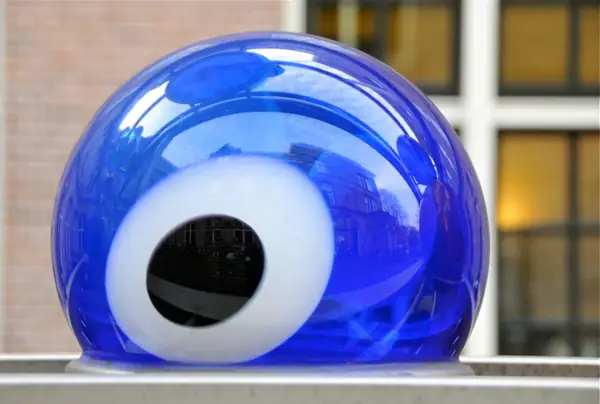 Nazar
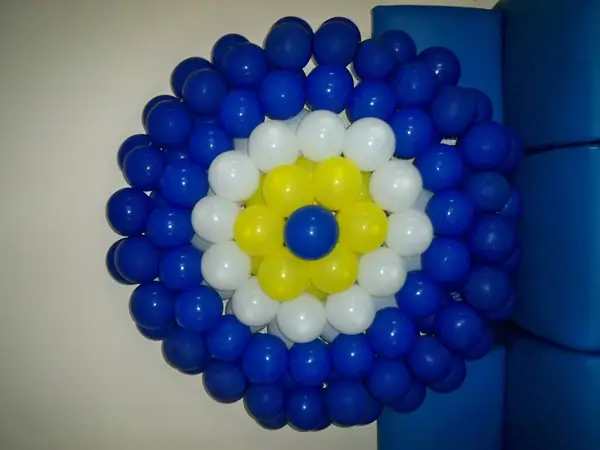 Nazar Boncuğu
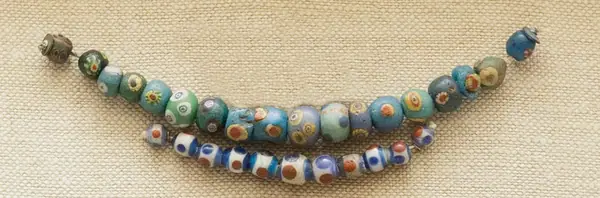 String of 11 Eyed Beadscirca 1300 date QS:P571,+1300-00-00T00:00:00Z/9,P1480,Q5727902 –1200 B.C. Period: New Kingdom Dynasty: Late Dynasty 19
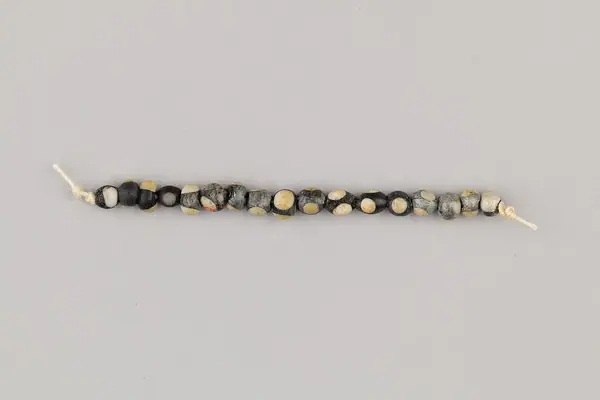 String of 17 eyed beadscirca 1186 date QS:P571,+1186-00-00T00:00:00Z/9,P1480,Q5727902 –525 B.C. Period: New Kingdom to Late Period
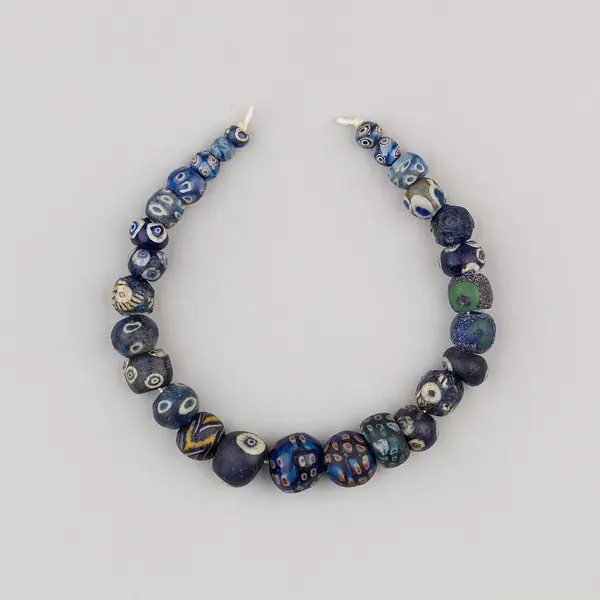 String of 27 Eyed Beads1st–mid 4th century or later Period: Roman Period or later
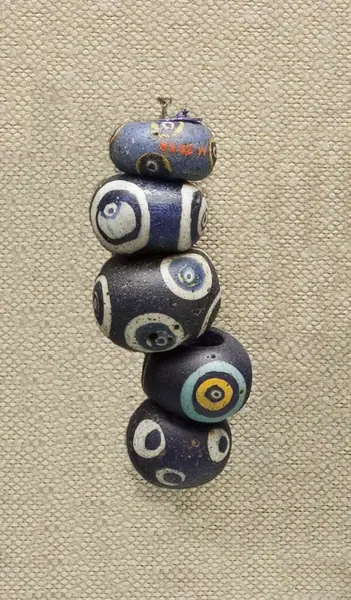 String of 5 Eyed Beads600–1000 Period: Islamic perhaps
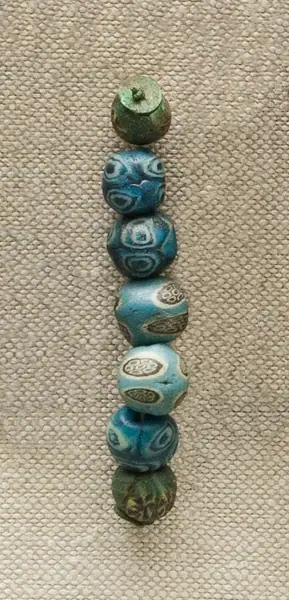 String of 7 Eyed Beads1st Millennium BC–1st Millennium AD Period: Third Intermediate Period–Islamic Period
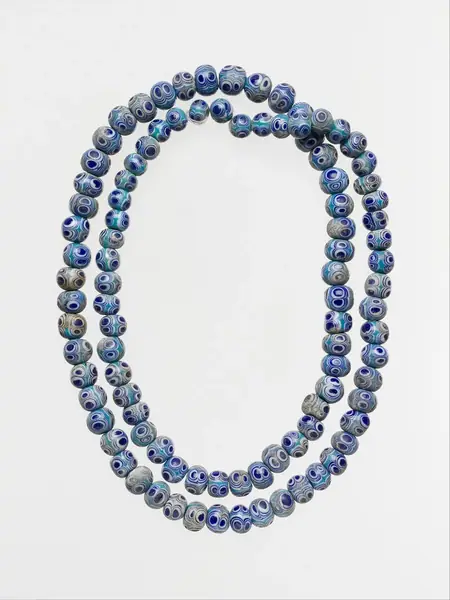 String of ninety-seven glass eye beads6th–4th century B.C.
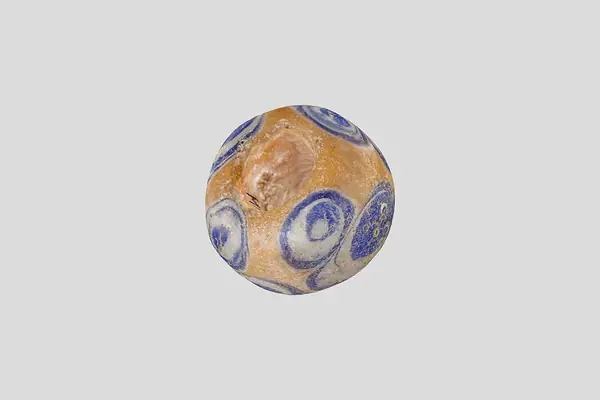 Celtic glass bead (MAK-LR120 B.C.–20 A.D.
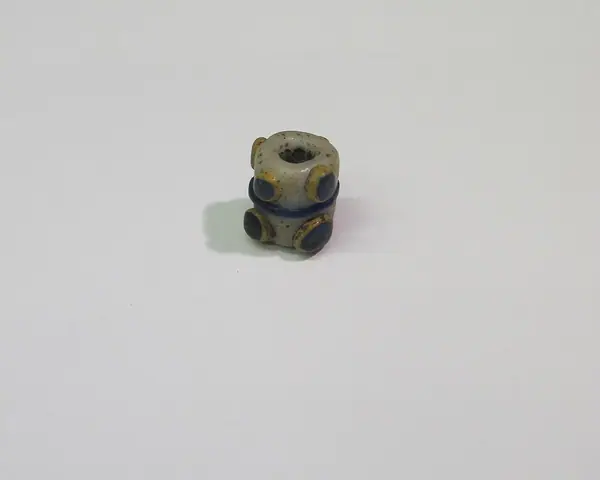 Composite eye bead5th Century B.C. to 1st Century A.D. Period: Late Period to Roman Period
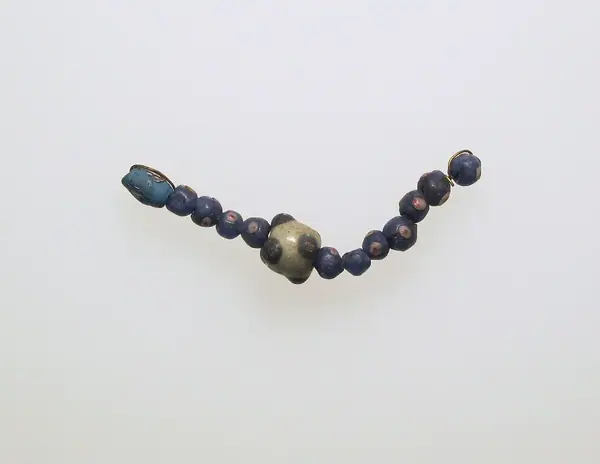 Glass beads4 th century AD date QS:P571,+350-00-00T00:00:00Z/7
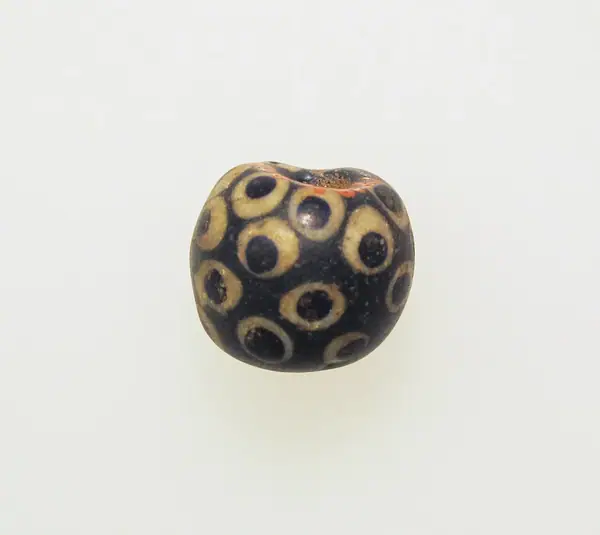 Glass eye beadca. 4th century B.C.
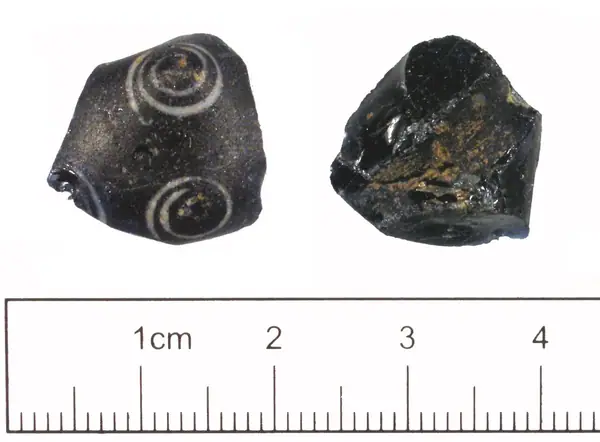 Iron Age to Roman : Beadbetween 150 BC and 100
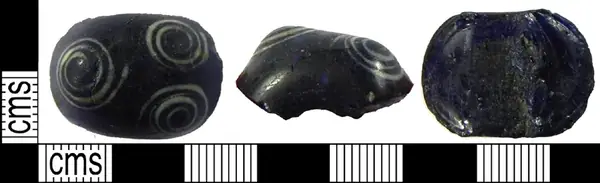 LVPL-26BA21between 150 BC and 100
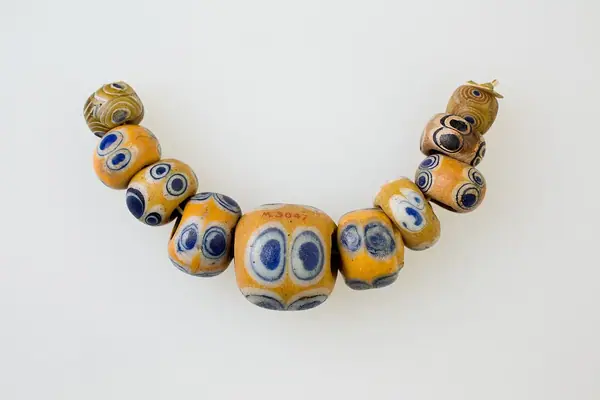 String of 10 Eye Beads5th–4th Century B.C. Period: Late Period: Persian
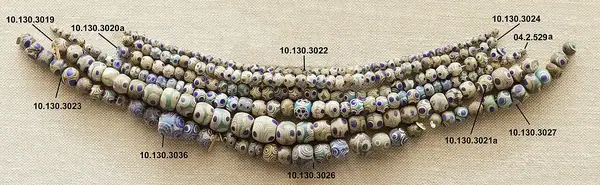 String of 12 Eyed Beadsmid 10th–late 8th century BC Period: Third Intermediate Period
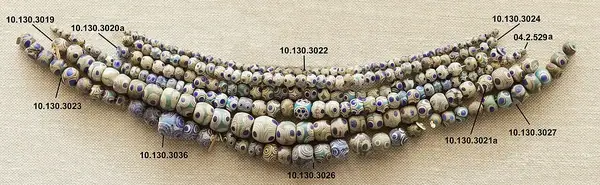 String of 26 Eyed Beadsmid 10th–late 8th century BC Period: Third Intermediate Period
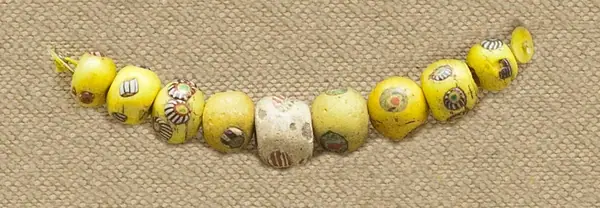 String of 9 Eyed Beads9th–15th century Period: Islamic Period
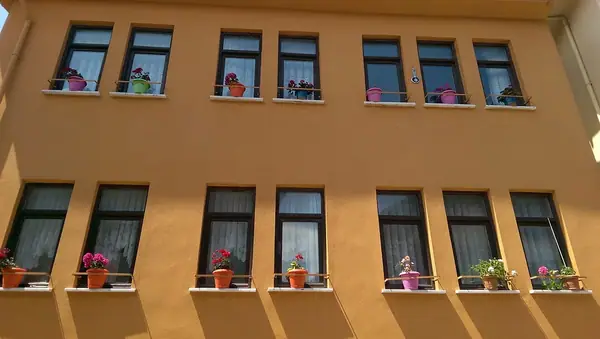 Amasra, 2016
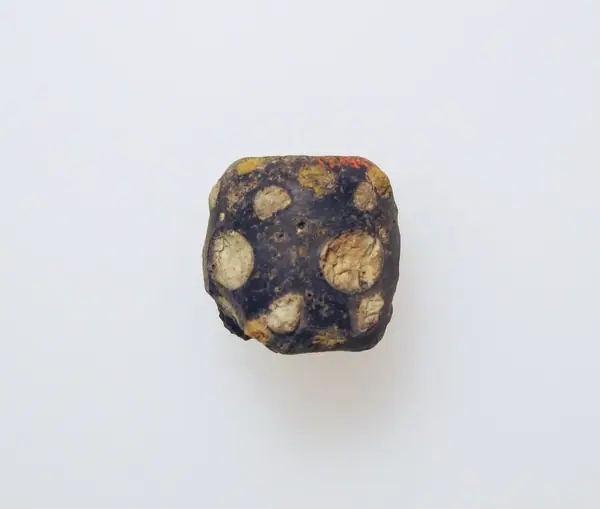 Glass eye bead4th–3rd century B.C.
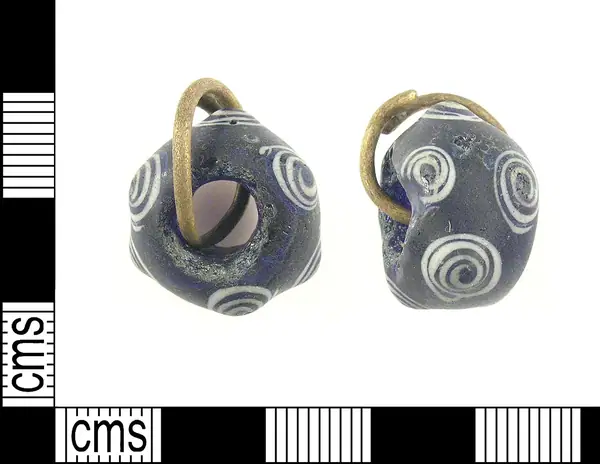 Iron Age glass beadbetween 800 BC and 100
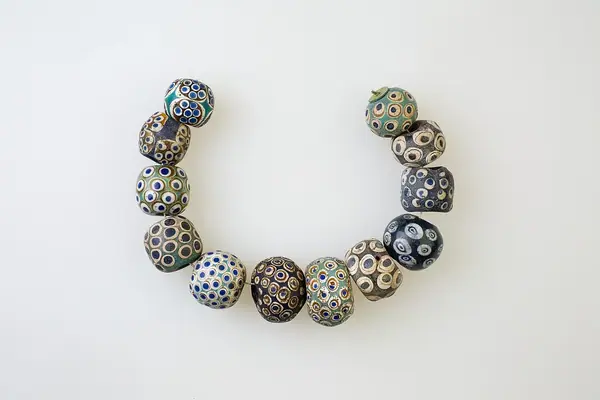 String of 12 Eye Beads6th–3rd century BC Period: Late Period–Ptolemaic Period
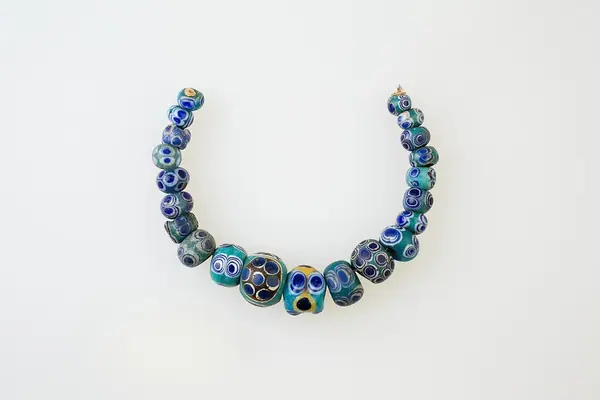 String of 21 Eye Beads6th–3rd century BC Period: Late Period–Ptolemaic Period
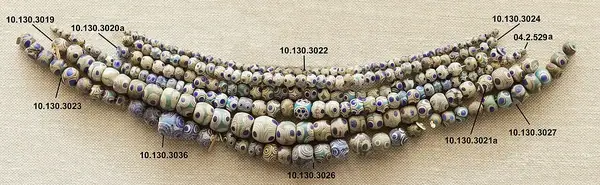 String of 32 Eyed Beadsmid 10th–late 8th century BC Period: Third Intermediate Period
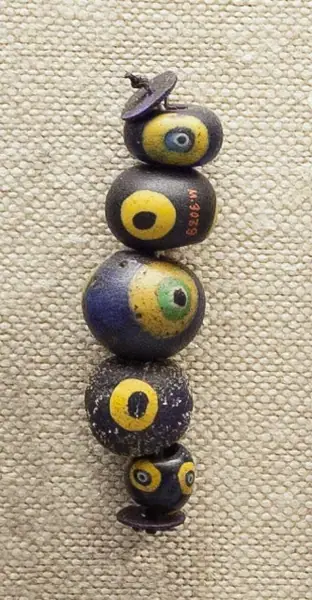 String of 5 Eyed Beads12th century ? Period: Islamic
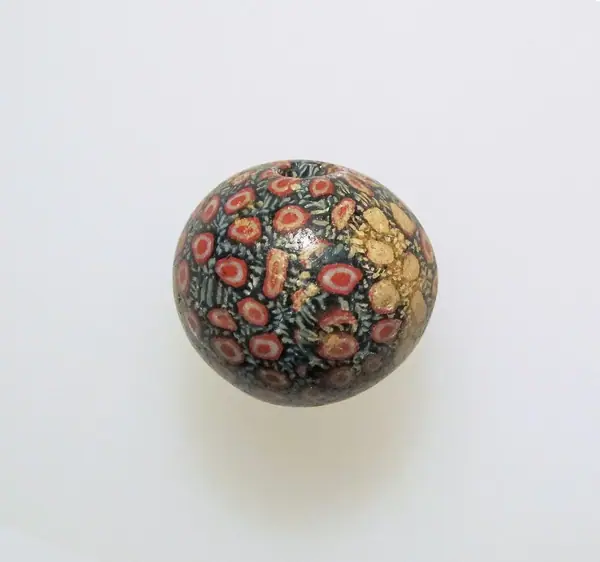 Glass mosaic bead1 st century AD date QS:P571,+050-00-00T00:00:00Z/7
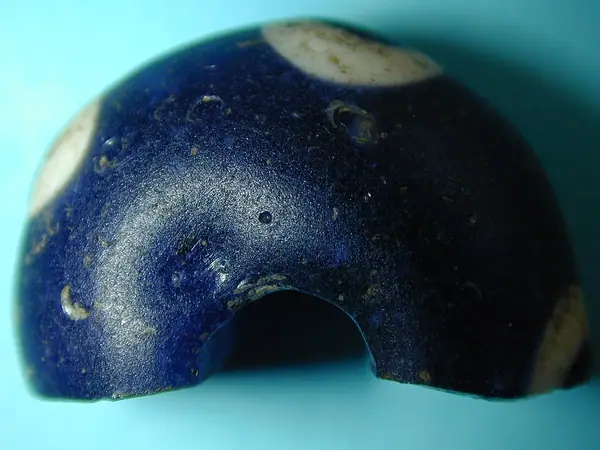 Iron age beadbetween 50 BC and 410
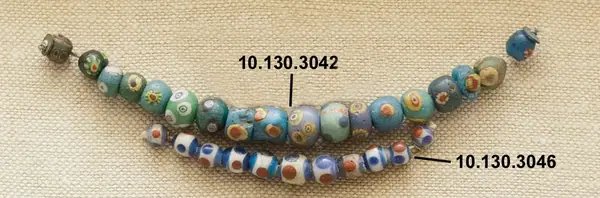 String of 11 Eyed Beadscirca 1300 date QS:P571,+1300-00-00T00:00:00Z/9,P1480,Q5727902 –1200 B.C. Period: New Kingdom Dynasty: Late Dynasty 19
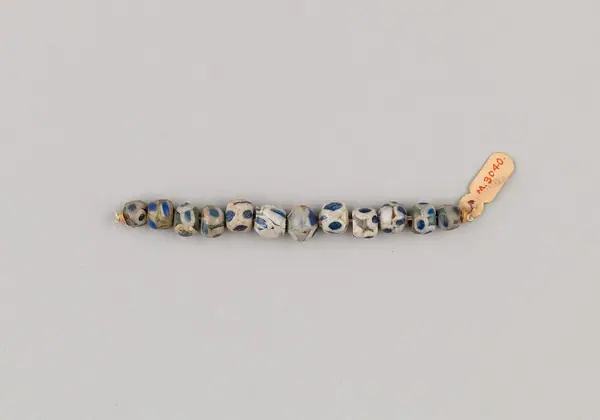 String of 12 Eyed Beads3rd to 4th Century A.D. or later Period: Roman Period or later
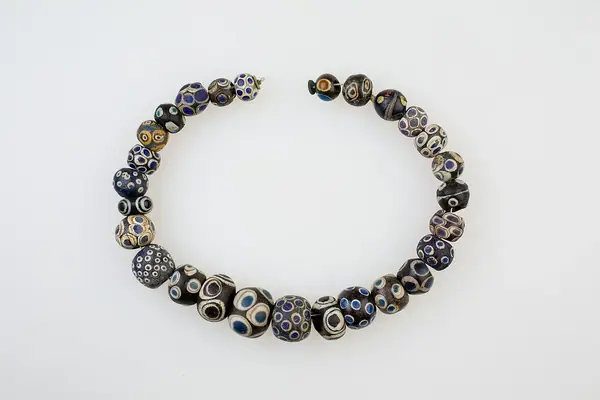 String of 27 Eye Beads6th–3rd century BC Period: Late Period–Ptolemaic Period
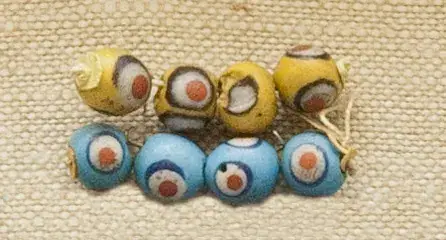 String of 4 Eyed Beads1200–1070 BC Period: New Kingdom
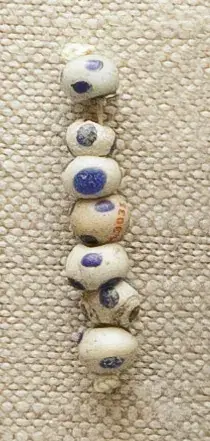 String of 7 Eyed Beadscirca 1000 date QS:P571,+1000-00-00T00:00:00Z/9,P1480,Q5727902 B.C. or later Period: Late New Kingdom or later
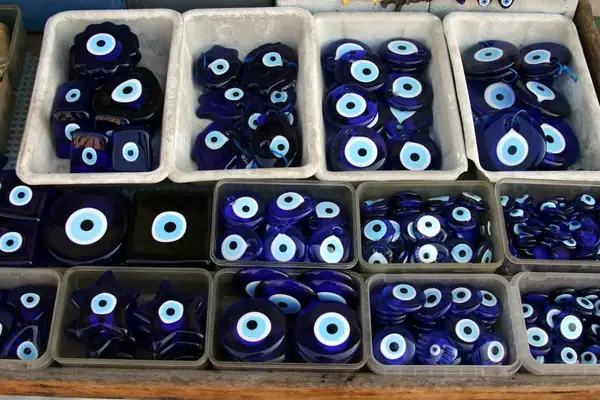 Ankara, Turkey - panoramio - Robert Helvie (7)
More from Islamic World: Khamsa / Hand of Fatima · Qur’an & amulet cases (hirz, ta’wiz) · Talismanic scrolls & sheets · Talismanic shirts & textiles · Talismanic seals & engraved stones · Maghreb & Tuareg silver · Other & unsorted Islamic World
Every type in the gallery
Anything in the gallery can be made: any piece, any tradition, in its own material or yours, by hand from the documented original. Numbered. Price on commission, quoted before anything is made. I reply within one business day.