Other & unsorted Islamic World
What it is
Objects from this tradition that do not fit the types above, or whose catalogue records are too brief to sort further. Browse them for unusual forms.
History
Islamic theology distinguishes forbidden amulets (tama'im, charms trusted in themselves) from permitted protection by God's word, so the characteristic Islamic amulet is textual: Qur'anic verses, especially the Throne Verse (2:255) and the last two suras, the Mu'awwidhatayn, along with the Ninety-Nine Names of God, magic squares (wafq) and the Seal of Solomon. Scholars such as al-Buni (d. 1225) wrote manuals of letter and number magic. The hand of Fatima and the blue eye bead came from pre-Islamic Mediterranean practice and remained hugely popular. Talismanic art reached a peak at the Ottoman, Safavid and Mughal courts in shirts, armour, bowls and seals.
Making yours
Check the source record for materials and size before copying.Islamic World: the tradition
Islamic theology distinguishes forbidden amulets (tama'im, charms trusted in themselves) from permitted protection by God's word, so the characteristic Islamic amulet is textual: Qur'anic verses, especially the Throne Verse (2:255) and the last two suras, the Mu'awwidhatayn, along with the Ninety-Nine Names of God, magic squares (wafq) and the Seal of Solomon. Scholars such as al-Buni (d. 1225) wrote manuals of letter and number magic. The hand of Fatima and the blue eye bead came from pre-Islamic Mediterranean practice and remained hugely popular. Talismanic art reached a peak at the Ottoman, Safavid and Mughal courts in shirts, armour, bowls and seals.
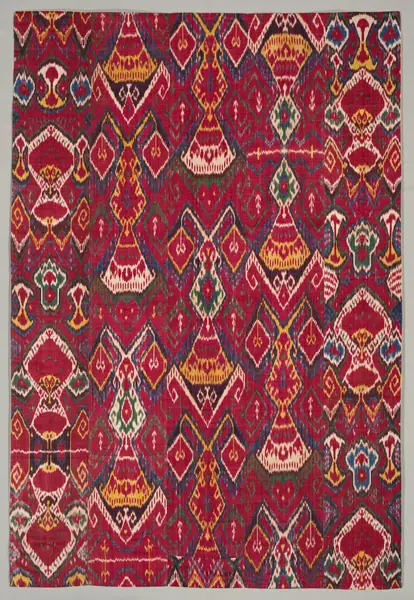 Wall Hanging (pardah)Uzbekistan, Bukhara · 1800–1850
 Mirror cover (tensifa)Africa, North Africa, Morocco, Tétouan, Moroccan embroiderer · 1700s
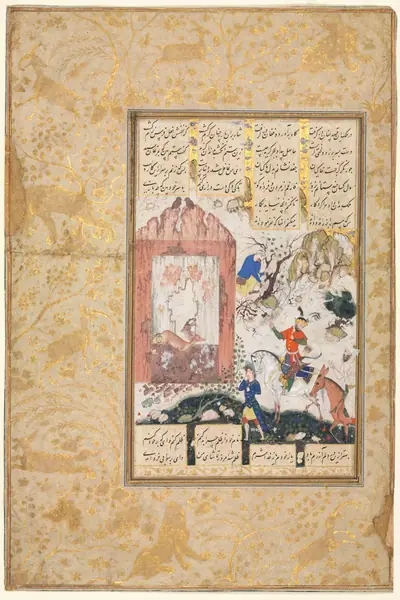 Nushirwan Listens to the Owls (recto): Illustration and Text, Persian Verses, from a Manuscript of the Khamsa of Nizami, Makhzan al-Asrar [Treasure of Secrets]Iran, Qazvin, Safavid period (1501-1722) · 1555–65
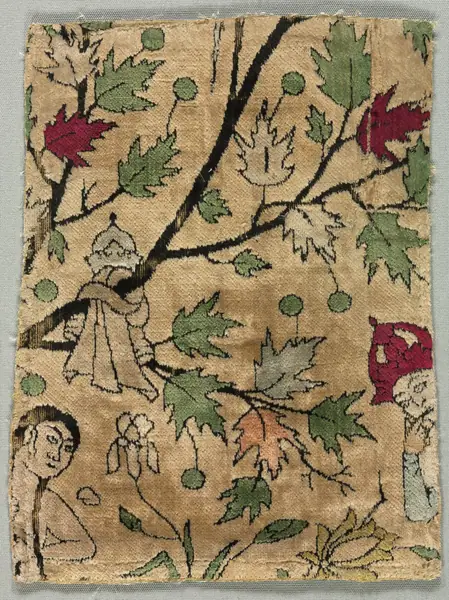 Velvet Fragment, Khusrau Sees Shirin BathingIran, Kashan, Safavid period (1501-1722) · 1550–99
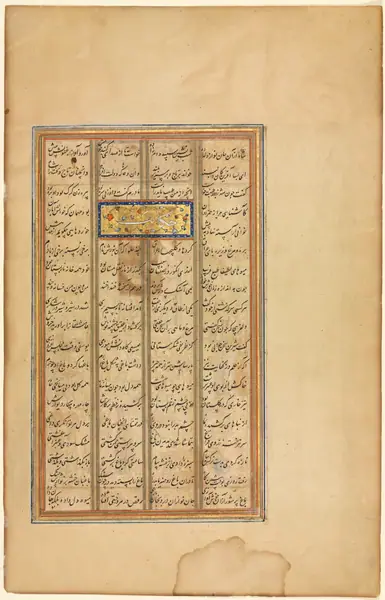 Text in Khamsa of Nizami (verso), from a Haft Paykar (Seven Portraits) of NizamiIran, Shiraz, Safavid period (1501-1722) · c. 1560–80
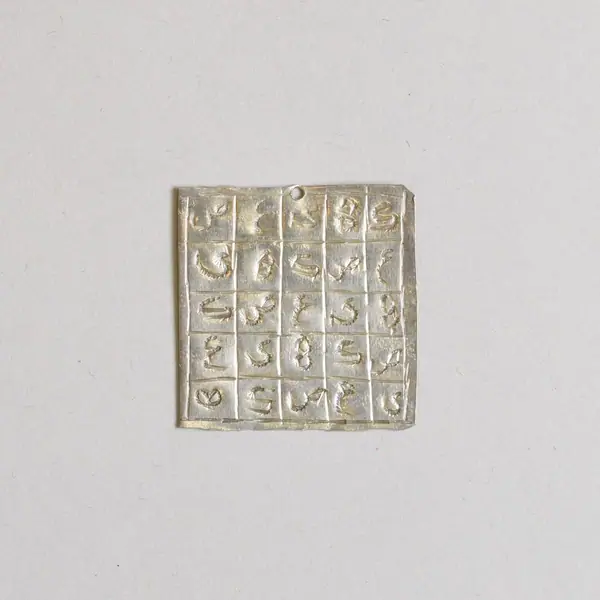 Square sheet silver amulet with inscribed Arabic characters in a grid, Lebanon, 1860-1870Lebanon · 1860-1870
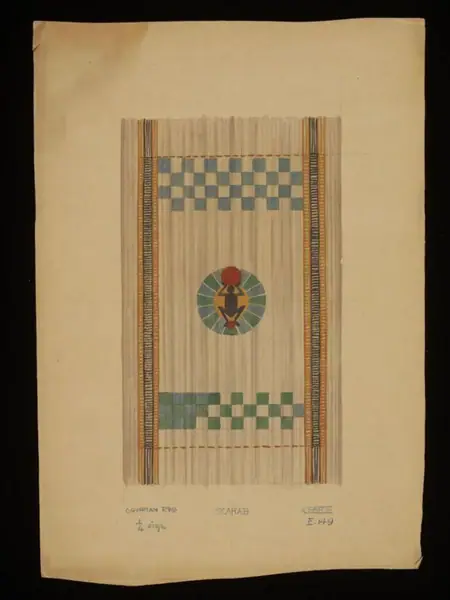 ScarabBritain · 1930
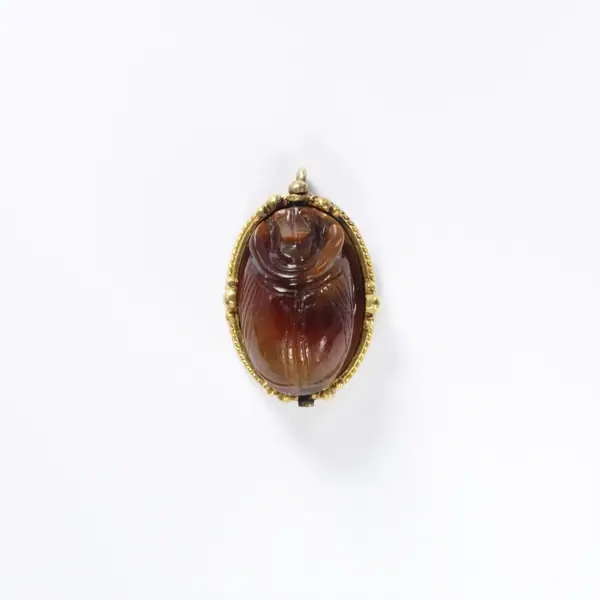 Scarab pendant of mottled agate and gold, probably made by Castellani, Rome, about 1858Rome · ca. 1858
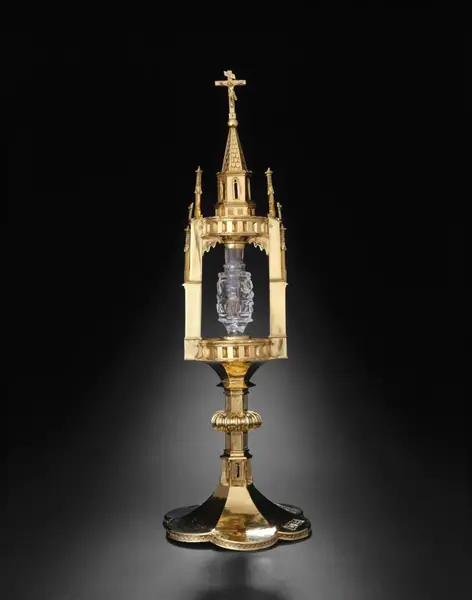 Reliquary Monstrance with a Tooth of Saint John the BaptistGermany · 1433; container: 900/1200
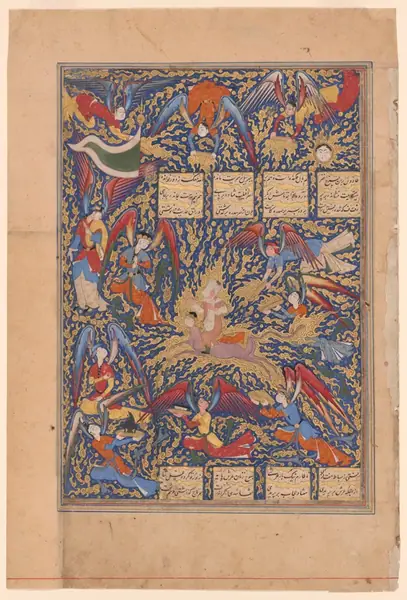 The Ascent of the Prophet to Heaven, Page from the Khamsa of NizamiIran · Safavid dynasty (1501–1722), c. 1600
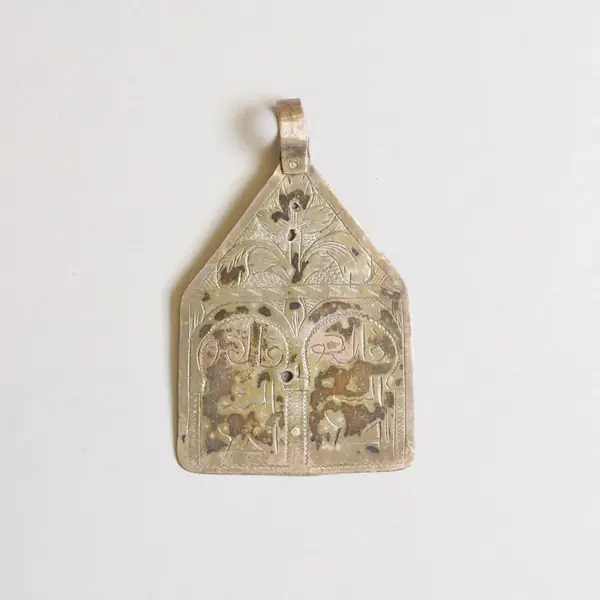 Flat silver 'house-shaped' amulet, Tunisia, 1865-1900Tunisia · 1865-1900
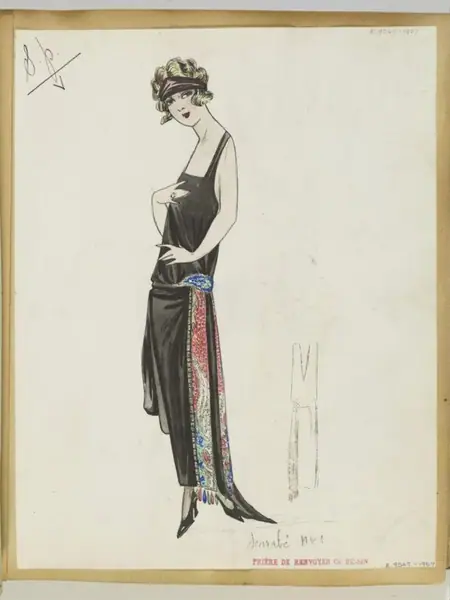 ScarabeParis · early 1922
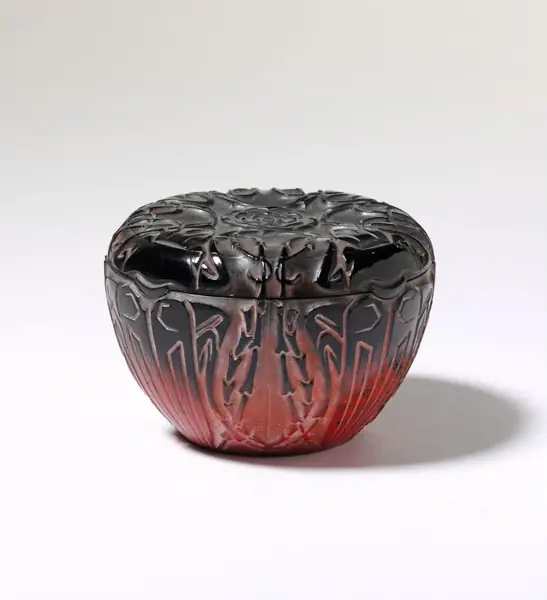 Four scarabsCombs-la-Ville · 1911
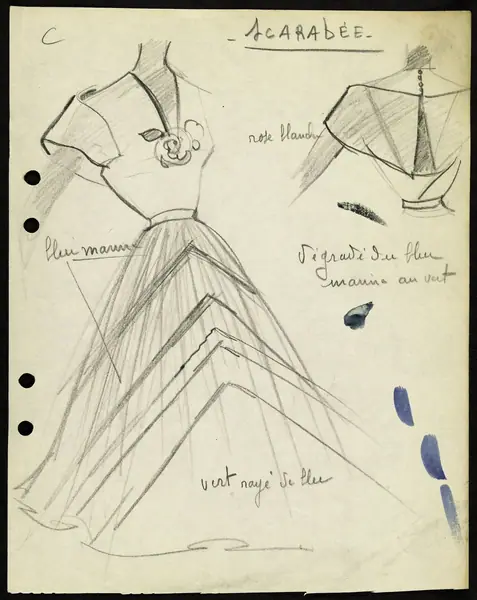 ScarabéeFrance · 1952
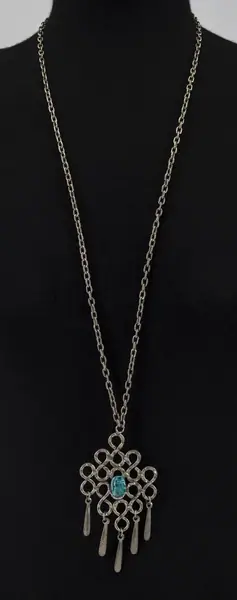 Zilverkleurige metalen schakelketting met hanger van metalen vlechtwerk met daarop turkoise aardewerk scarabeeNetherlands · 1920
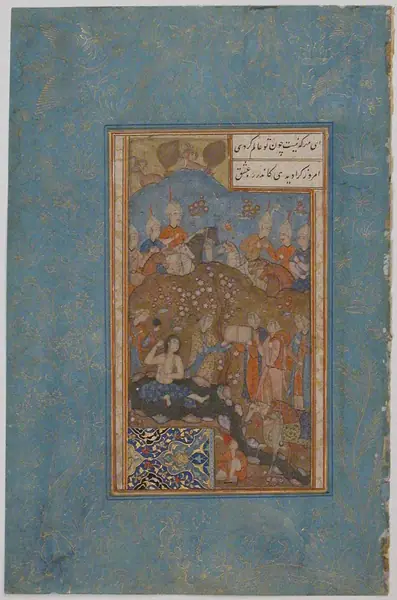 "Khusrau Spies Shirin Bathing", Folio from a Khamsa (Quintet) of Nizami16 th century date QS:P571,+1550-00-00T00:00:00Z/7
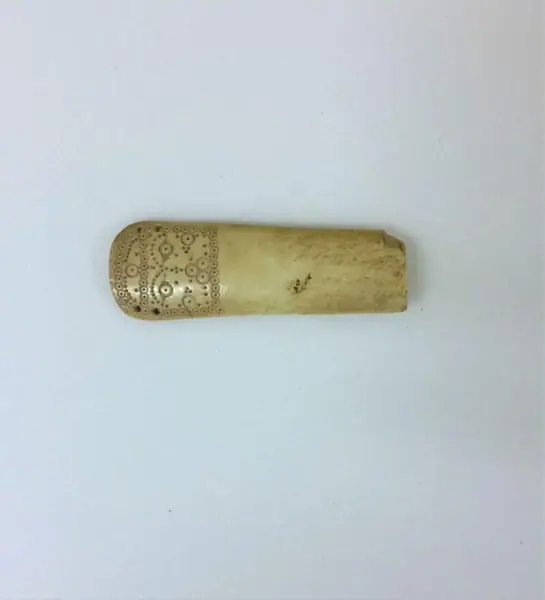 Bone Persian
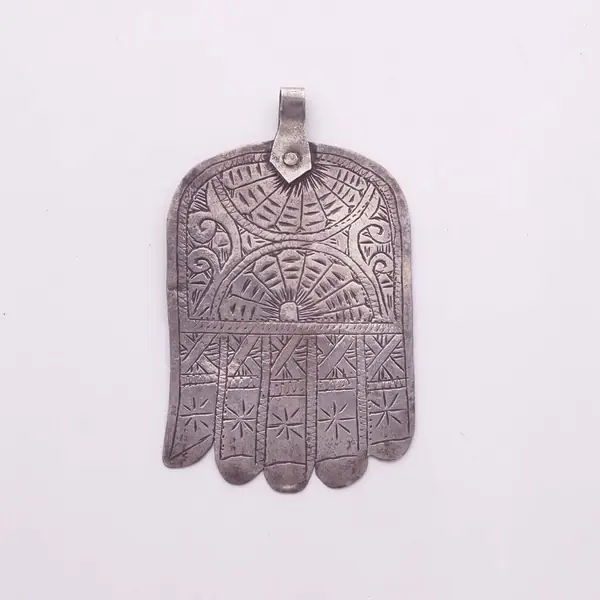 Zilveren amuletsieraad in de vorm van een handjeNetherlands
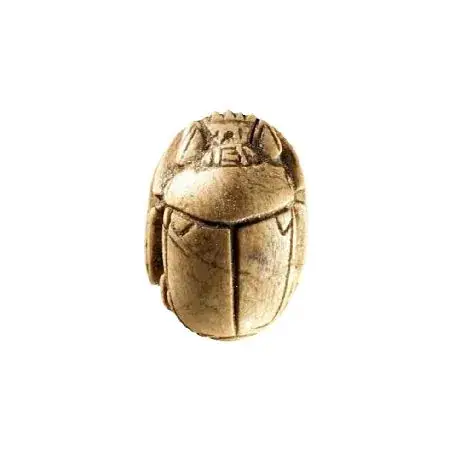 ScarabéeLuxembourg
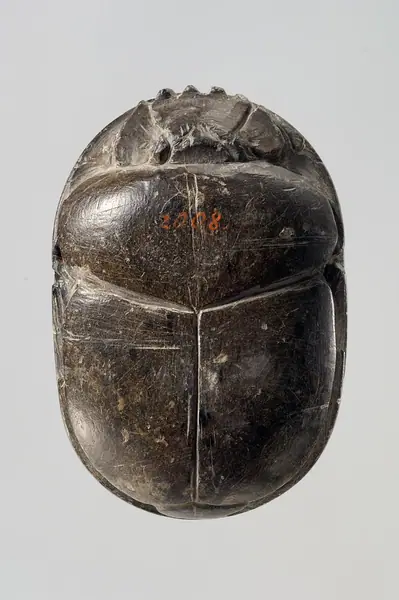 Cardiac scarab of the hostess Who (...)Austria
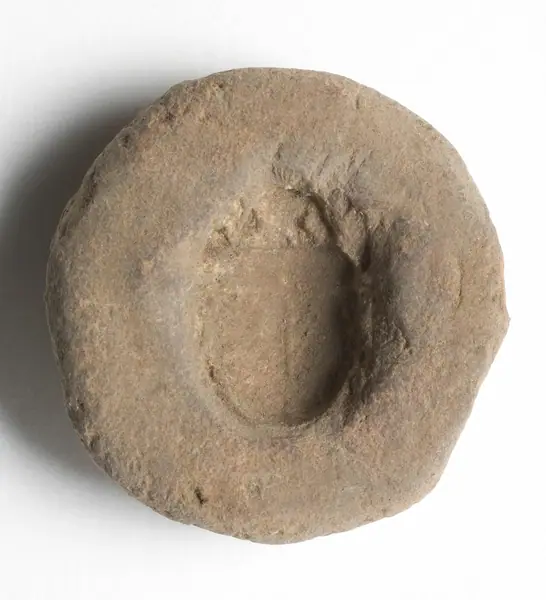 Moule à amulettes en forme de scarabéeBelgium
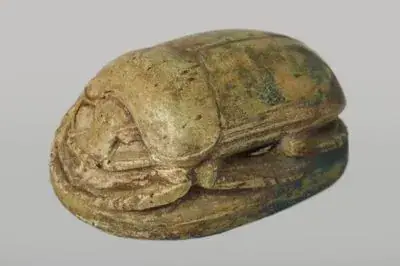 [Scarab in the Cartridge of Ramesses II: amulet]France
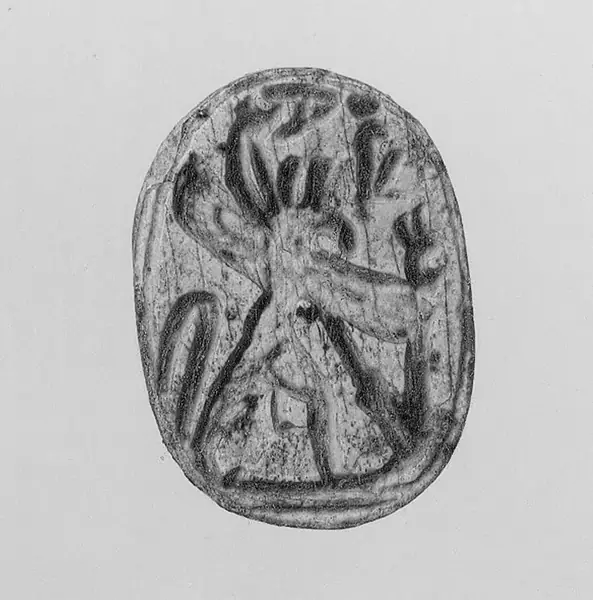 ScarabeeBrussels-Capital Region
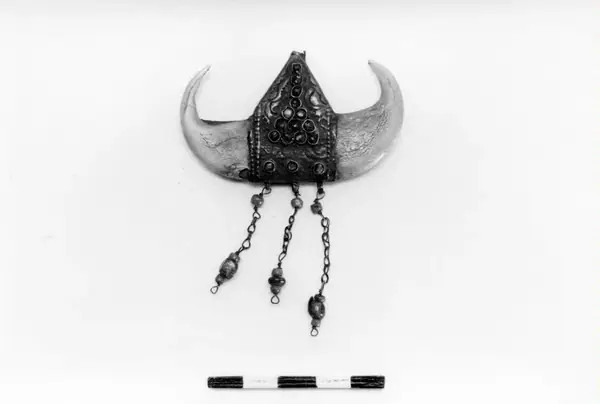 Amulet from UzbekistanUzbekistan
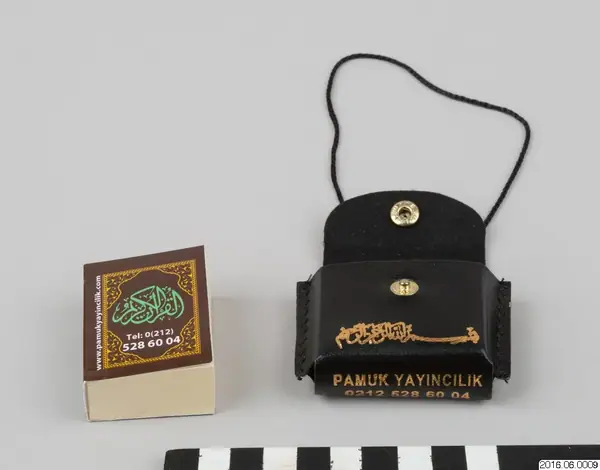 Amulet from TurkeyTurkey
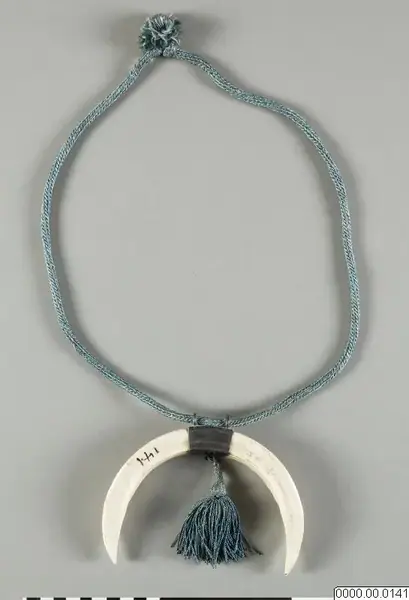 Amulet from TunisiaTunisia
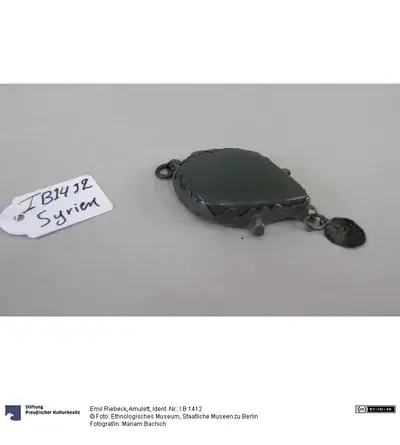 Amulet from SyriaSyria
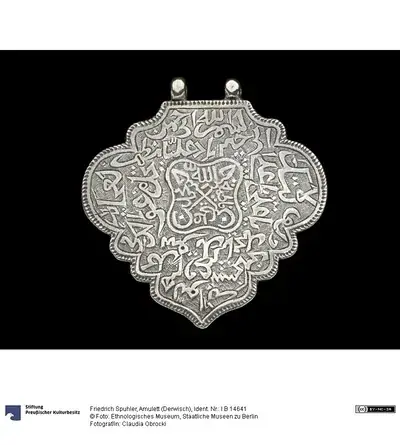 Amulett (Derwisch)Turkey
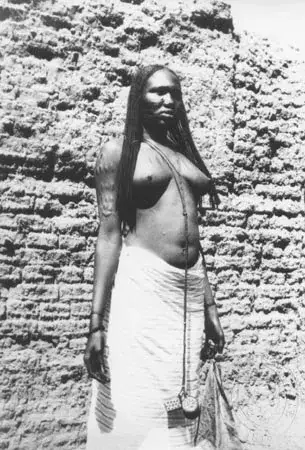 Postava ženy v bílé sukni, s copánkovým účesem, amulety na krku a skarifikací paží a tváří, arabští kočovníciSúdán
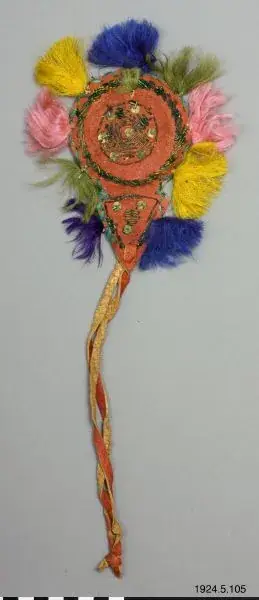 Prydnad, decoration amulet from AlgeriaAlgeria
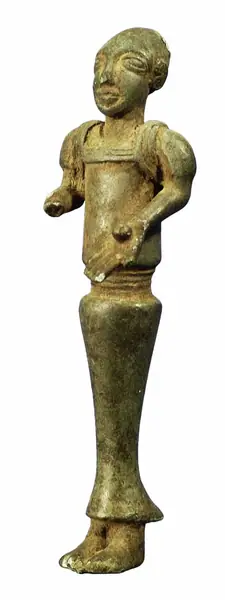 Exvoto femenino procedente del Santuario del Collado de los Jardines de Despeñaperros (Santa Elena, Jaén, España)Collado de los Jardines
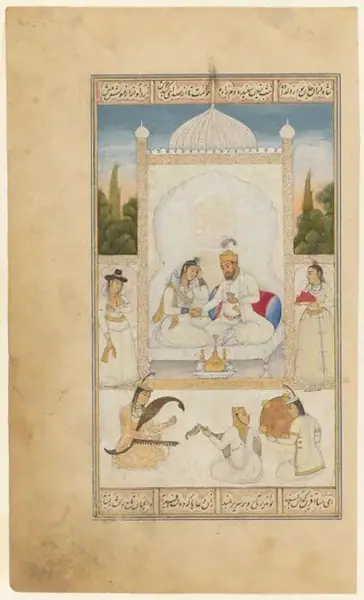 Bahram Gur and the Iranian princess in the white pavilion, from Seven Portraits (Haft Paykar), in the Five Poems (Khamsa), by NizamiIreland
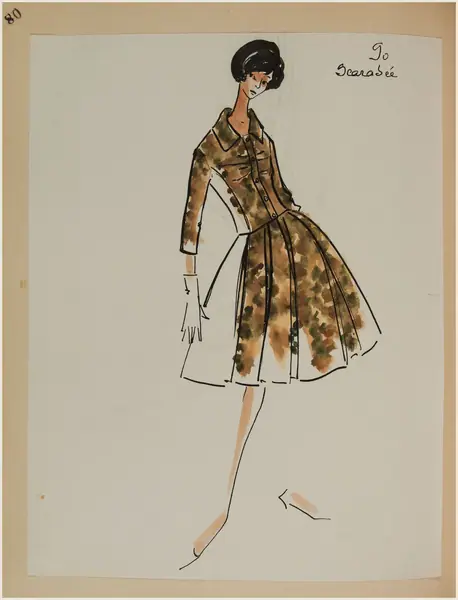 ScarabéeParis
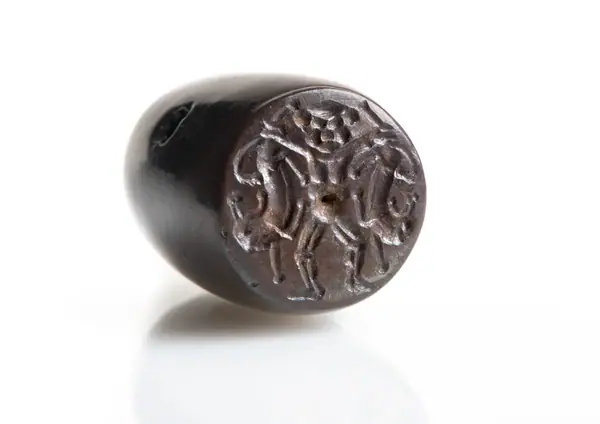 Stempelsiegel: Bes (Gottheit)Iran (Altertum)
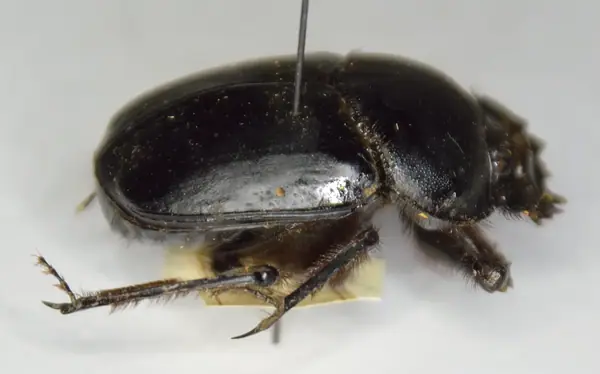 scarabeuCraiova
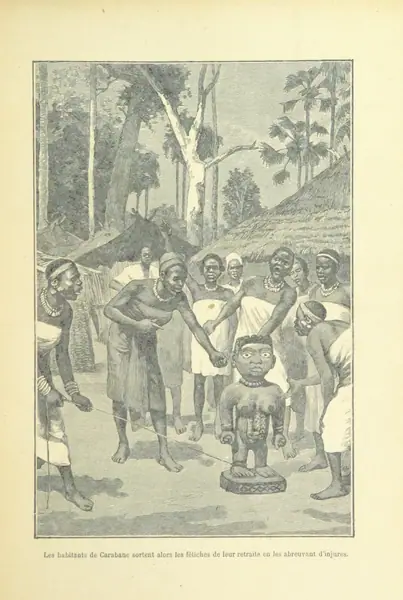 fetish from "Casamance et Mellacorée. Pénétration au Soudan".France
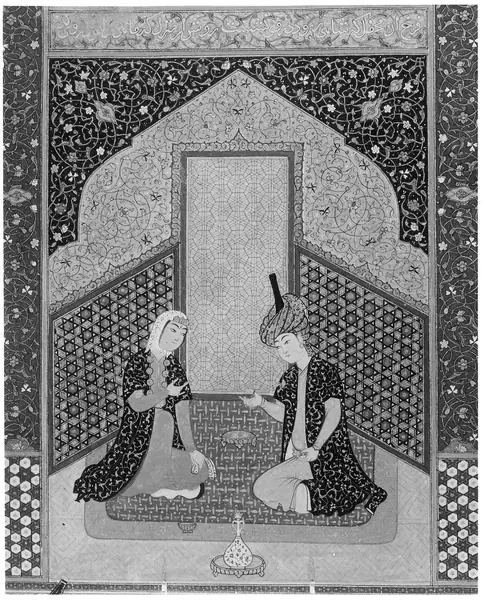 "Bahram Gur in the Dark Palace on Saturday", Folio 207 from a Khamsa (Quintet) of Nizami
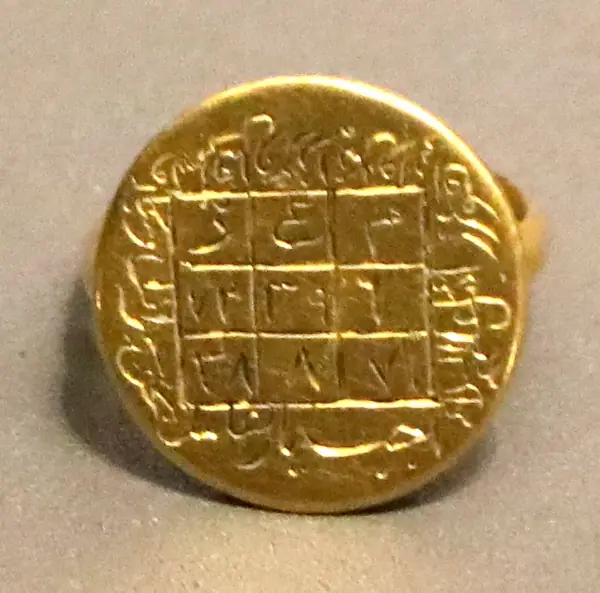 Periodo ottomano, anello, xix-xx secoloTurkey
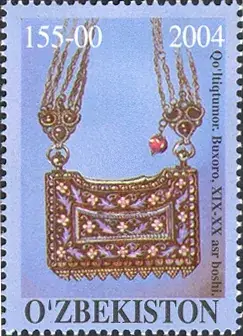 Stamps of Uzbekistan, 2004art
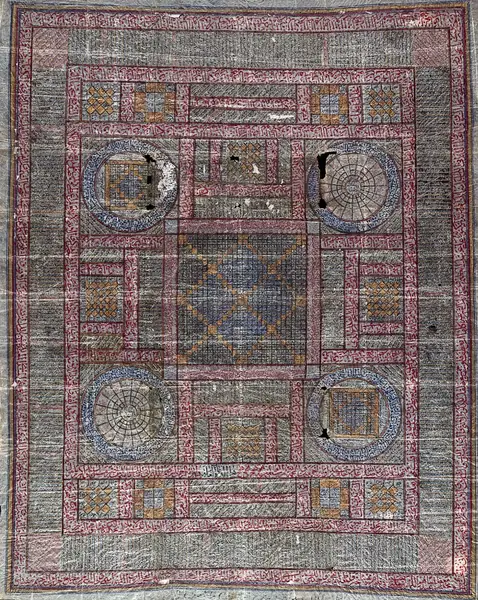 Arabic Amulet
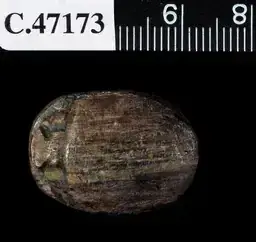 Amulet
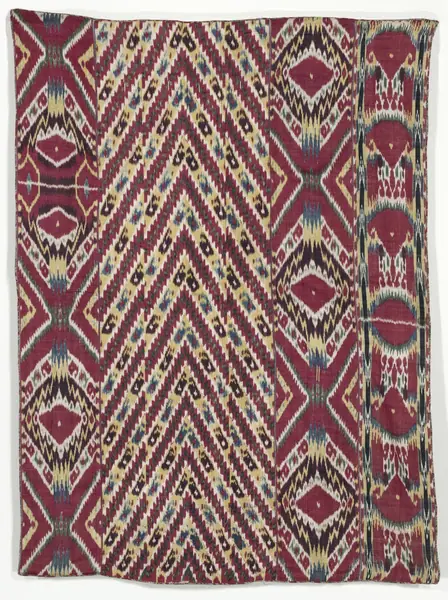 Wall hanging (pardah)Uzbekistan, Bukhara · 1850–75
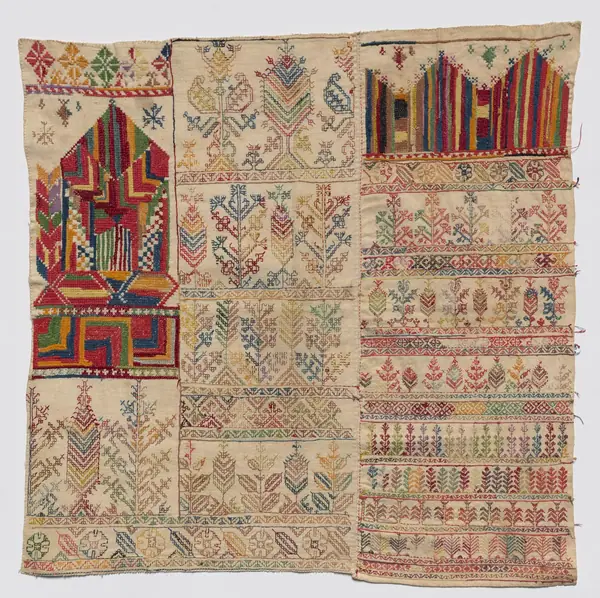 Embroidery sampler (chelliga/shelliga)Africa, North Africa, Morocco, Moroccan embroiderer · c. 1700s
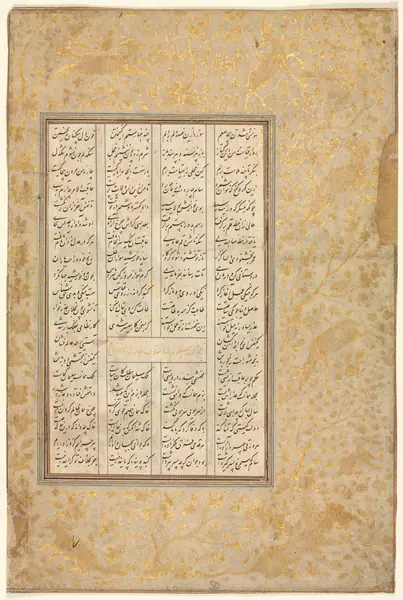 The Story of Nushirwan and his Minister, "The Third Discourse on Diverse Events and Disorder in Life" from a Khamsa (Quintet) of Nizami (1141–1209) (verso)Iran, Qazvin, Safavid period (1501-1722) · 1555–65
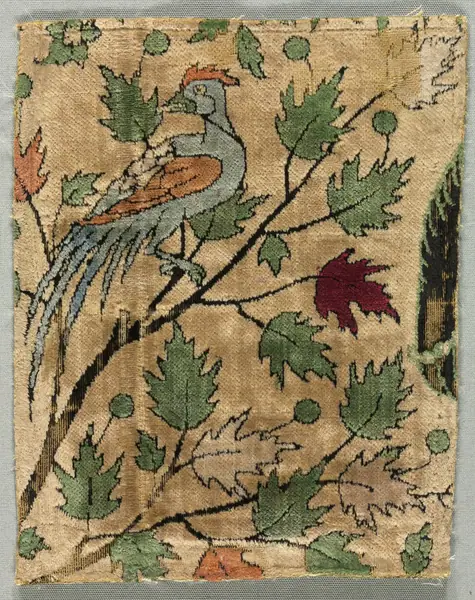 Velvet Fragment, Khusrau Sees Shirin BathingIran, Kashan, Safavid period (1501-1722) · 1550–99
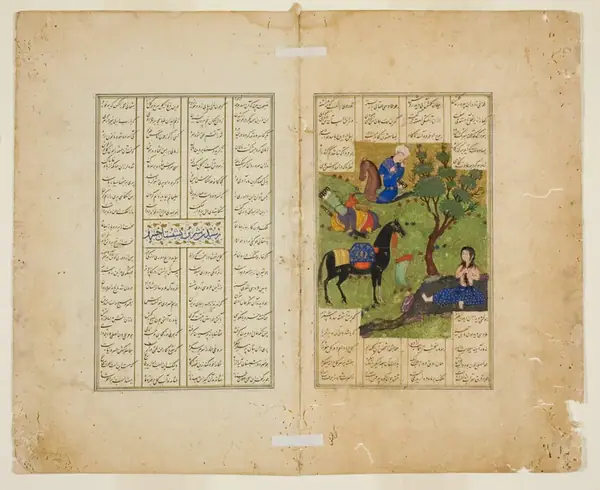 Khusrau Gazing at Shirin, from a copy of the Khamsa of NizamiIran · 1485 (890 A.H.)
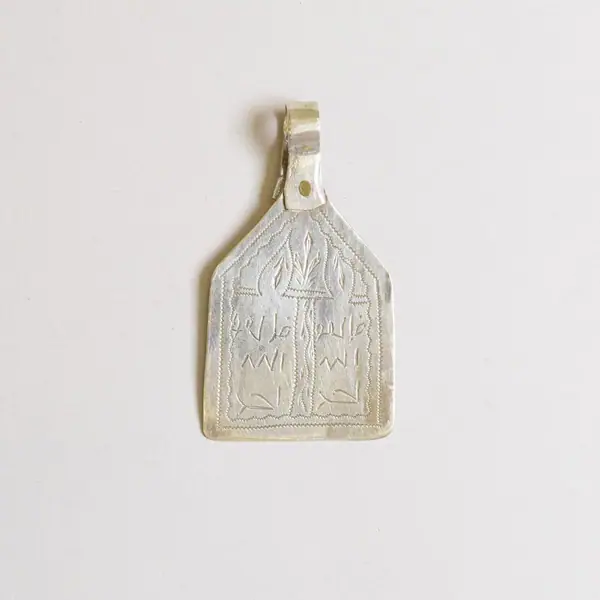 'House-shaped' flat silver amulet with loop at top, Tunisia, 1865-1900Tunisia · 1865-1900
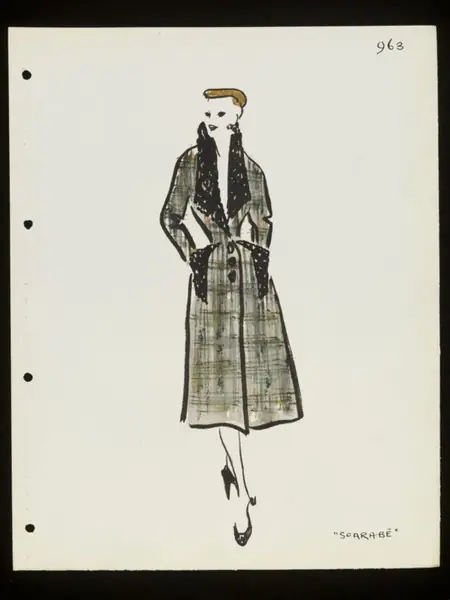 ScarabéParis · mid 1950
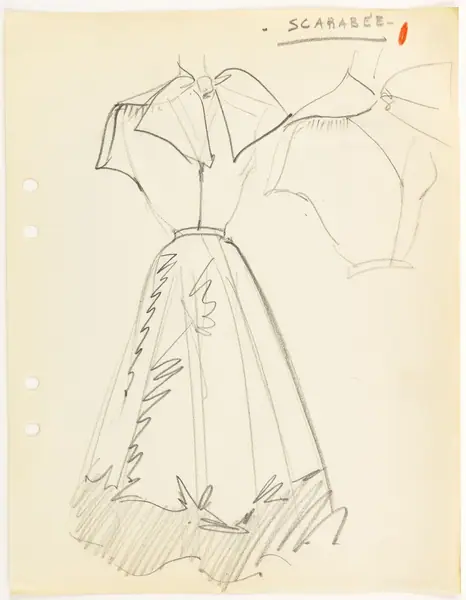 ScarabéeFrance
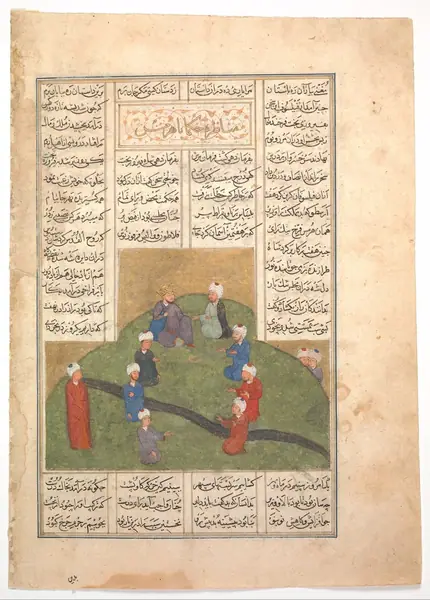 Khamsa (Quintet) of Nizami15 th century date QS:P571,+1450-00-00T00:00:00Z/7
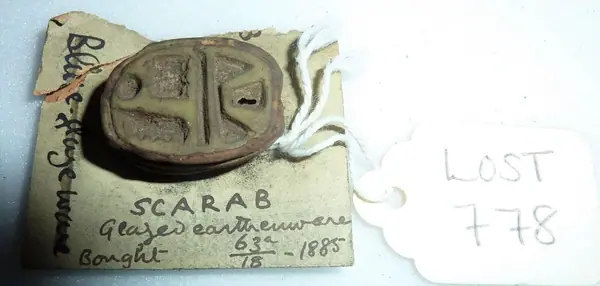 Base metal
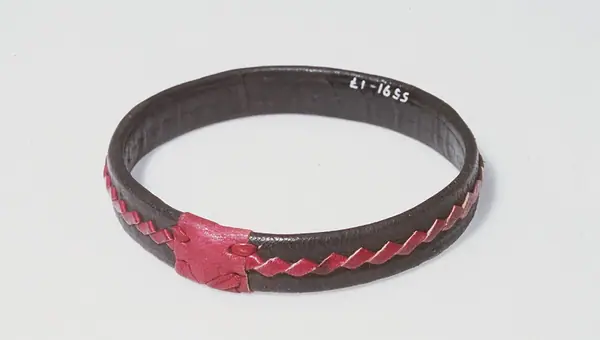 ArmbandamuletNetherlands
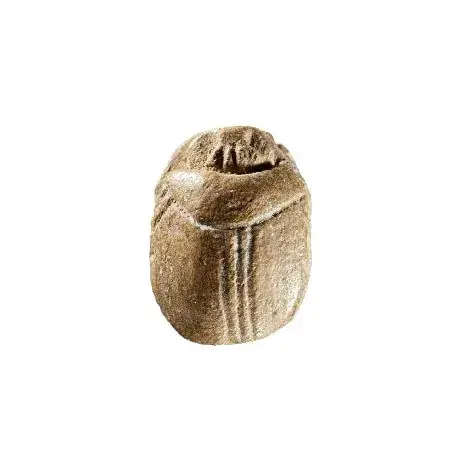 ScarabéeLuxembourg
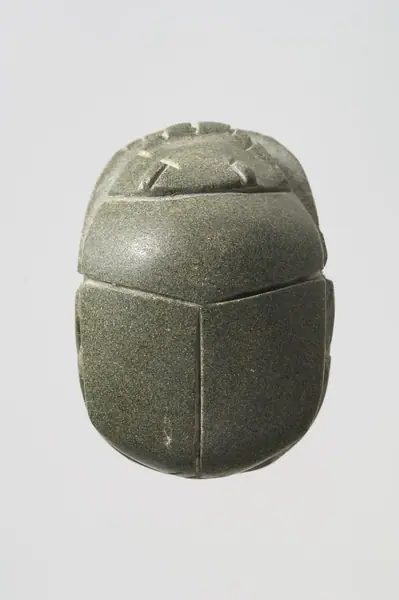 Cardiac scarabAustria
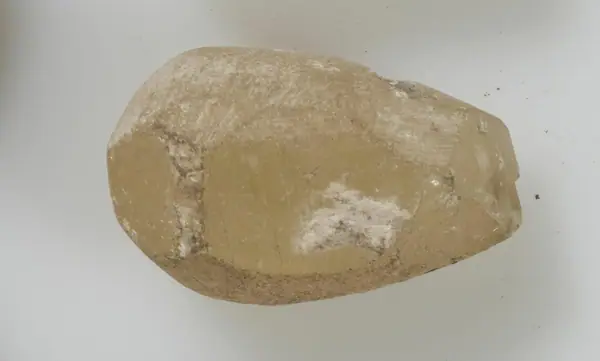 Scarabée inachevéBelgium
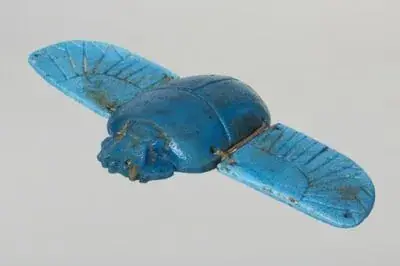 [Scarabée à ailes mobiles : amulette]France
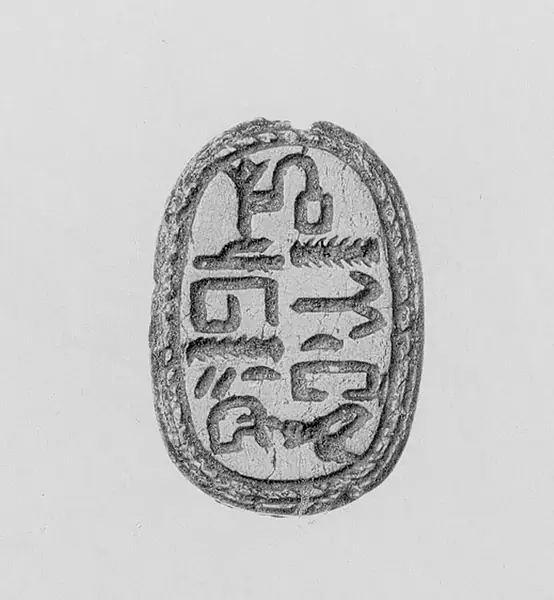 Scarab with the name of DehentiBrussels-Capital Region
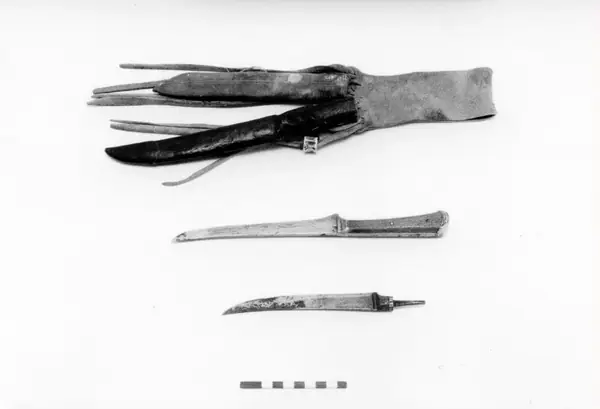 Kniv, knife amulet from UzbekistanUzbekistan
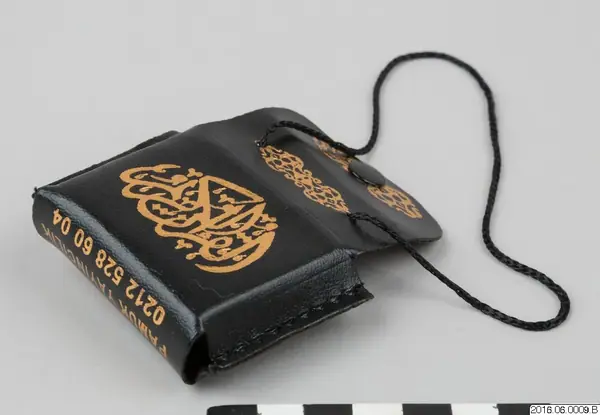 amulet, case, amuletTurkey
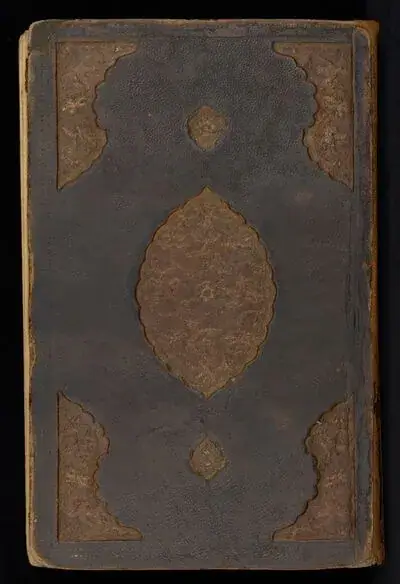 Five Poems (Khamsa), by NizamiIreland
More from Islamic World: Khamsa / Hand of Fatima · Nazar evil-eye beads · Qur’an & amulet cases (hirz, ta’wiz) · Talismanic scrolls & sheets · Talismanic shirts & textiles · Talismanic seals & engraved stones · Maghreb & Tuareg silver
Every type in the gallery
Anything in the gallery can be made: any piece, any tradition, in its own material or yours, by hand from the documented original. Numbered. Price on commission, quoted before anything is made. I reply within one business day.