Cippi of Horus (healing stelae)
Meaning
A cippus shows the child Horus (Harpocrates) standing on crocodiles and gripping snakes, scorpions, lions and antelopes, with the grotesque face of Bes above. It depicts the young god's victory over every dangerous animal of the desert and river, as told in the myth of Isis hiding Horus in the marshes.
Intent
They were used to heal and prevent bites and stings. Water poured over the carved spells was collected and drunk by the patient, carrying the magic into the body. Small cippi were worn or carried, and large ones stood in temples and houses as healing stations.
Significance
Cippi are among the best evidence for Egyptian magical medicine in practice. The spells on the Metternich Stela (Metropolitan Museum) record the myth in full, and the stelae show a healing ritual in which text becomes medicine by being washed off and drunk.
History
The type appears in the late New Kingdom (c. 1200 BCE) and becomes very common in the Late and Ptolemaic periods (7th–1st century BCE). The Metternich Stela, made under Nectanebo II (360–343 BCE), is the most famous example.
Making yours
Pocket versions 4–10 cm; temple versions up to 50 cm. Dark stone or steatite, carved in low relief with dense hieroglyphs on back and sides.Ancient Egypt: the tradition
Amulets appear in Egyptian graves before writing, in the Badarian and Naqada cultures of the fifth and fourth millennia BCE, as shells, stones and simple animal shapes. With the Old Kingdom the repertoire grew into a systematic vocabulary of hieroglyph signs, gods and animals, and by the New Kingdom the Book of the Dead prescribed which amulet went where on the mummy. Mass production in faience from open moulds put them within reach of almost everyone. The Late and Ptolemaic periods (664–30 BCE) are the peak of variety, when a single mummy might carry dozens. The tradition outlived the pharaohs, feeding Graeco-Roman magical gems, Coptic Christianity and, through Phoenician traders, the whole Mediterranean. Flinders Petrie's 1914 catalogue counted 275 types.
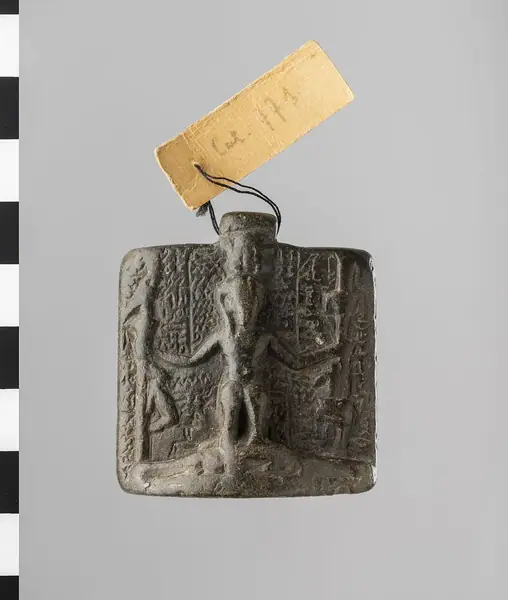 Amulet depicting a magical stela with the god Horus title QS:P1476,en:"Amulet depicting a magical stela with the god Horus " label QS:Len,"Amulet depicting a magical stela with the god Horus " label Qbetween 722 and 30 BC date QS:P,-0500-00-00T00:00:00Z/6,P1319,-0722-00-00T00:00:00Z/9,P1326,-0030-00-00T00:00:00Z/9 Late
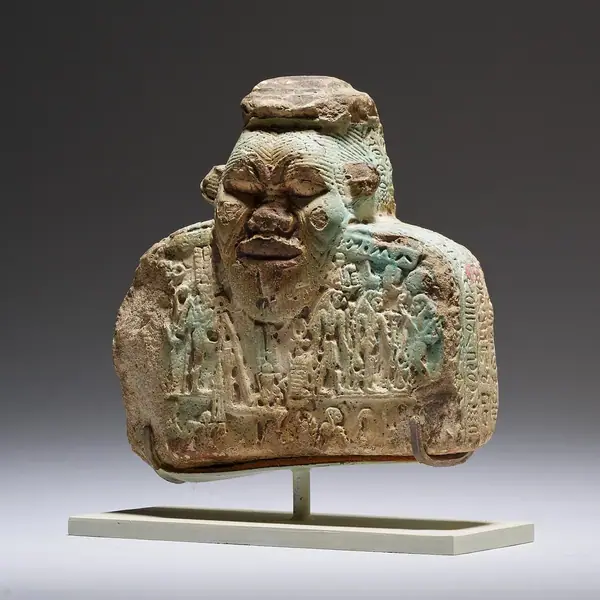 Cippus (magical stela)664–380 B.C. Period: Late Period
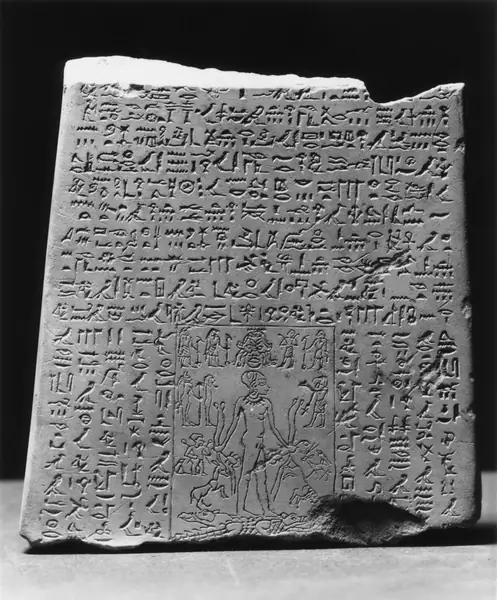 Cippus of HorusEgyptian late period · between 664 and 342 BC (Late Period; Saite (?))
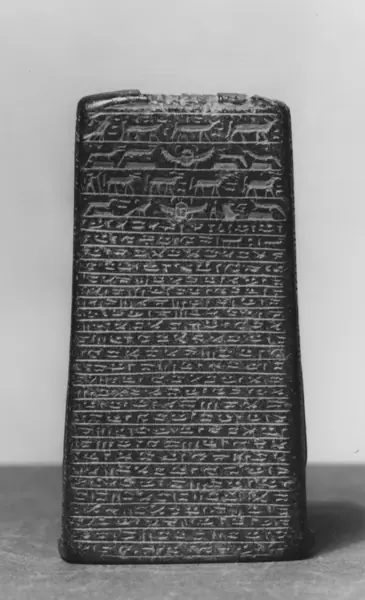 Horus-SteleGreco-Roman Egypt · between circa 280 and circa 240 BC (Greco-Roman)
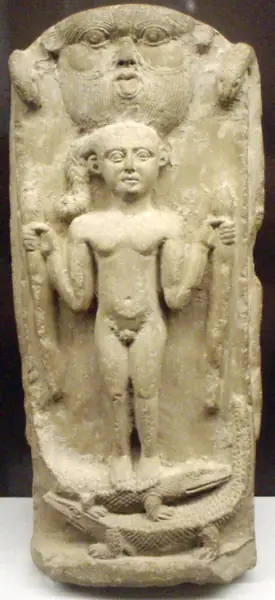 CippusOfChildHorusWatchedOverByBes RosicrucianMuseumRoman Egypt
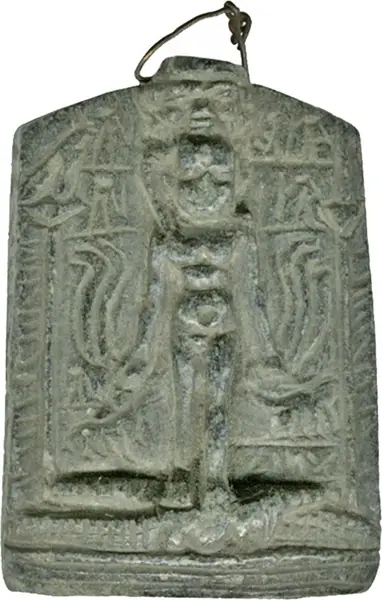 Cippus-Horus Stela4 th century BC date QS:P571,-350-00-00T00:00:00Z/7 (Late Period-Greco-Roman)
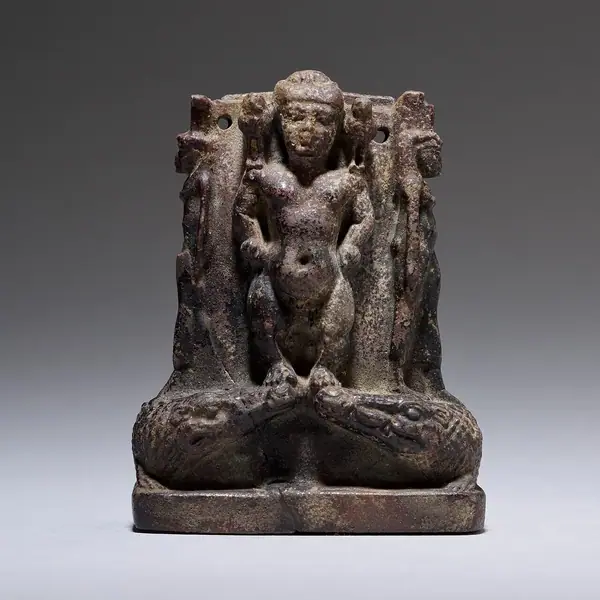 Cippus (magical stela) where Pataikos replaces Horus on the crocodiles and is flanked by Isis and Nephthyscirca 1070 date QS:P571,+1070-00-00T00:00:00Z/9,P1480,Q5727902 –525 BC Period: Third Intermediate Period–Late Period
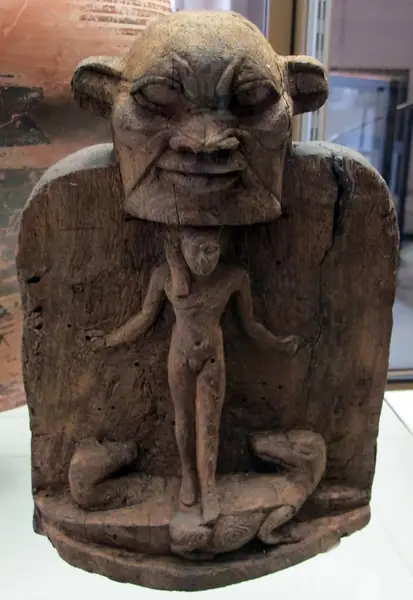 Arte egizia, stele di horus sui coccodrilli, bassa epoca (da collez. cardinale Giuseppe Spinelli)Egyptian late period
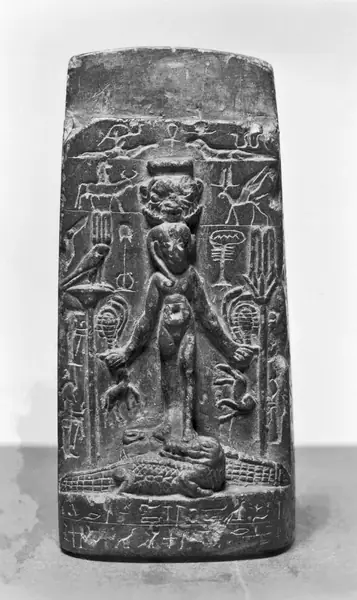 Horus Stele (Cippus)Greco-Roman Egypt · 3 rd century BC date QS:P571,-250-00-00T00:00:00Z/7 (Greco-Roman)
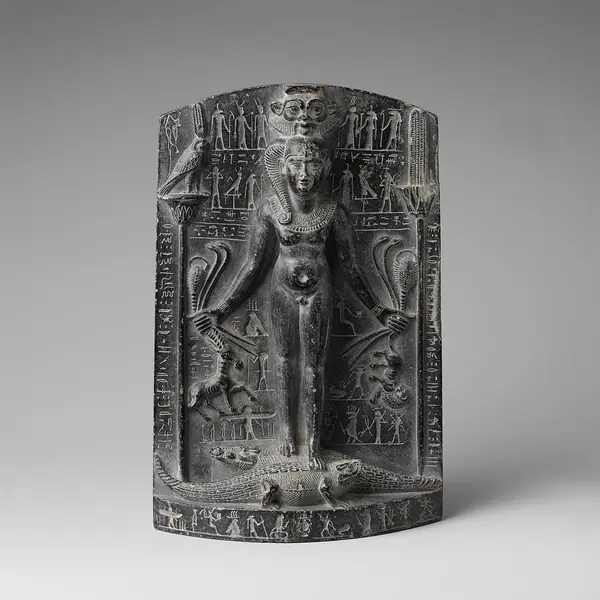 Magical stela or cippus of Horus332–280 B.C. Period: Ptolemaic Period
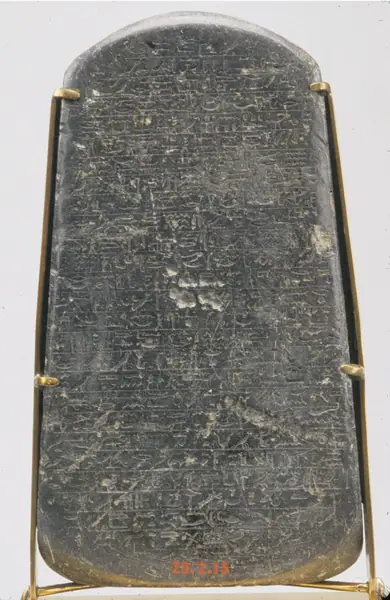 Cippus (magical stela)300 B.C. approximately Period: Ptolemaic Period
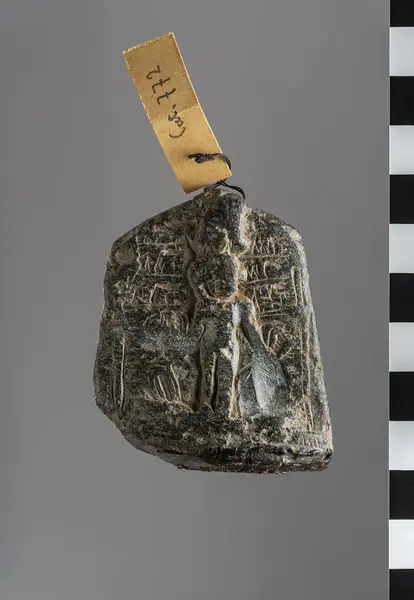 Amulet depicting a magical stela with the god Horus title QS:P1476,en:"Amulet depicting a magical stela with the god Horus " label QS:Len,"Amulet depicting a magical stela with the god Horus " label Qbetween 722 and 332 BC date QS:P,-0500-00-00T00:00:00Z/6,P1319,-0722-00-00T00:00:00Z/9,P1326,-0332-00-00T00:00:00Z/9 Lat
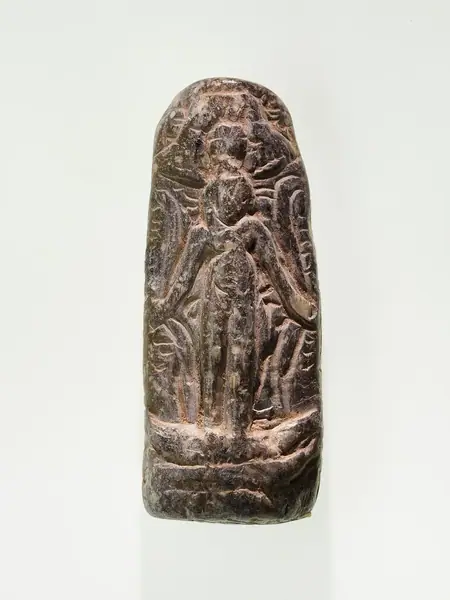 Cippus of Horus (magical stela)332–30 B.C. Period: Ptolemaic Period
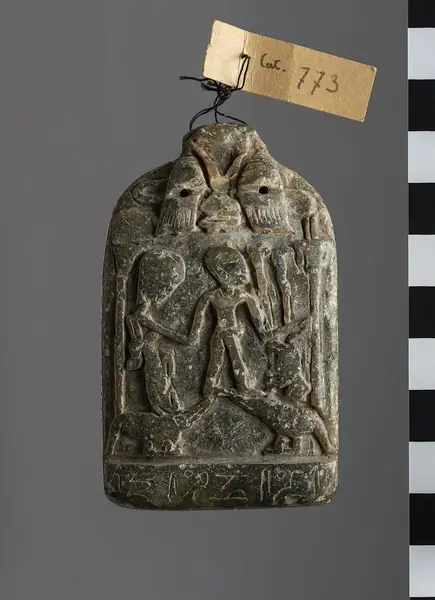 Amulet depicting a magical stela with the god Horus title QS:P1476,en:"Amulet depicting a magical stela with the god Horus " label QS:Len,"Amulet depicting a magical stela with the god Horus " label Qbetween 722 and 332 BC date QS:P,-0500-00-00T00:00:00Z/6,P1319,-0722-00-00T00:00:00Z/9,P1326,-0332-00-00T00:00:00Z/9 Lat
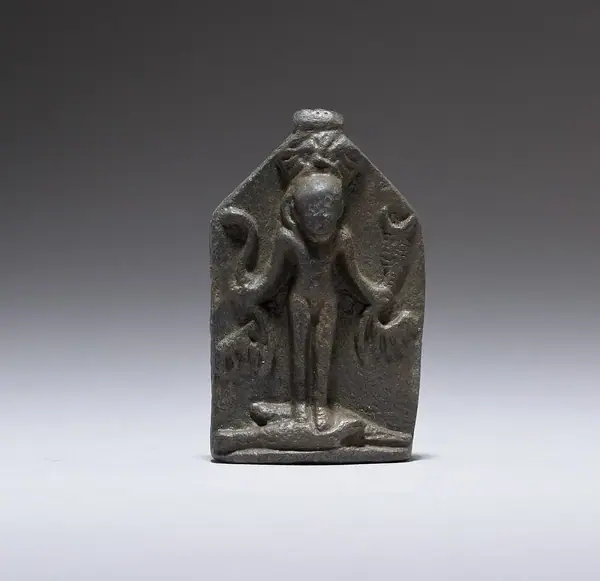 Miniature cippus of Horus (magical stela)332–30 B.C. Period: Ptolemaic Period
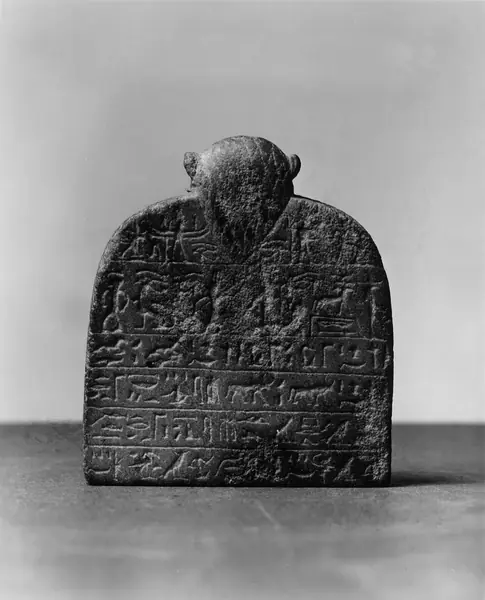 Cippus of Horusbetween 664 and 342 BC (Late Period; Saite (?))
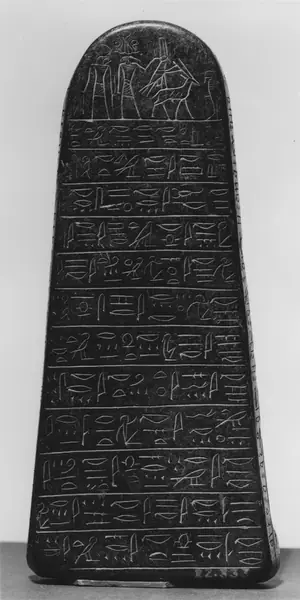 Horus-Stelebetween circa 380 and circa 282 BC (Late Period-Greco-Roman)
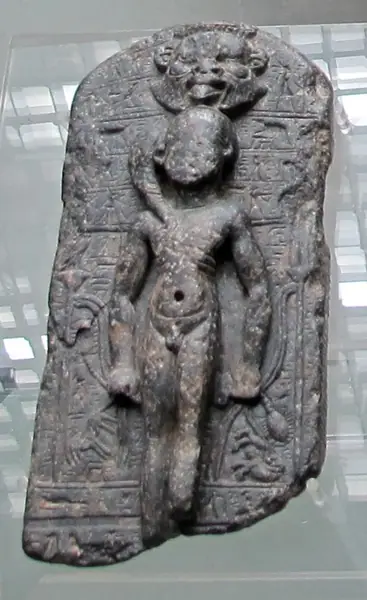 Stele di arpocrate, nuovo regno
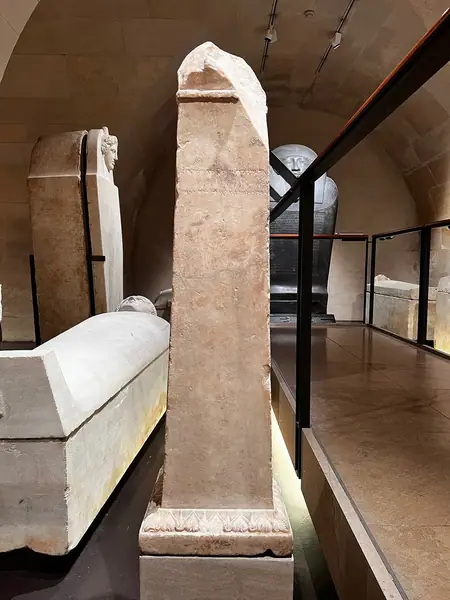 Abdmiskar cippus
 Open wing Basking posture of Tajuria cippus (Fabricius, 1798) - Peacock Royal (Female) WLB
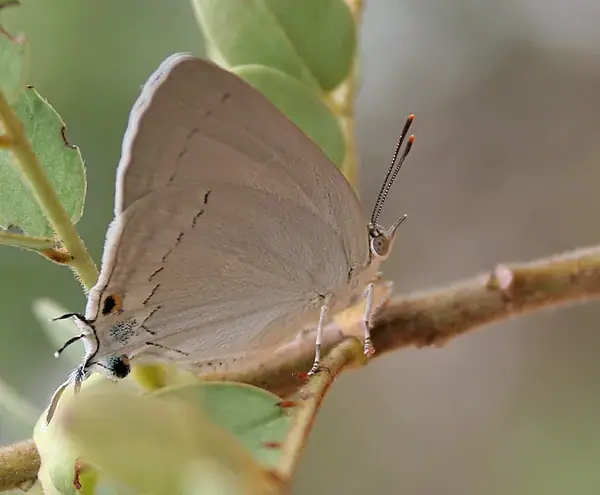 Peacock Royal (Tajuria cippus) at Chilkur near Hyderabad, AP W
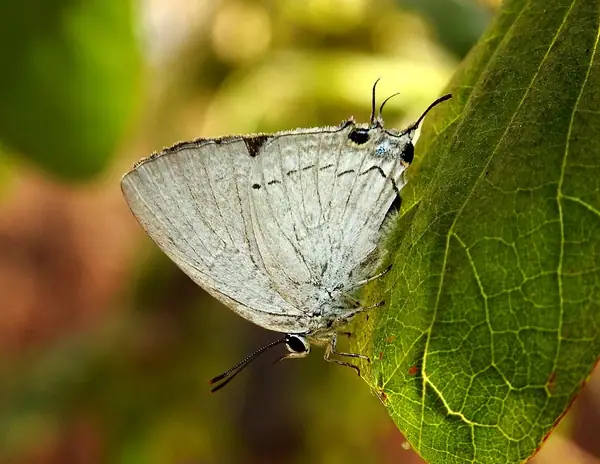 Peacock Royal female Tajuria cippus by Dr. Raju Kasambe Mumbai DSCN4348
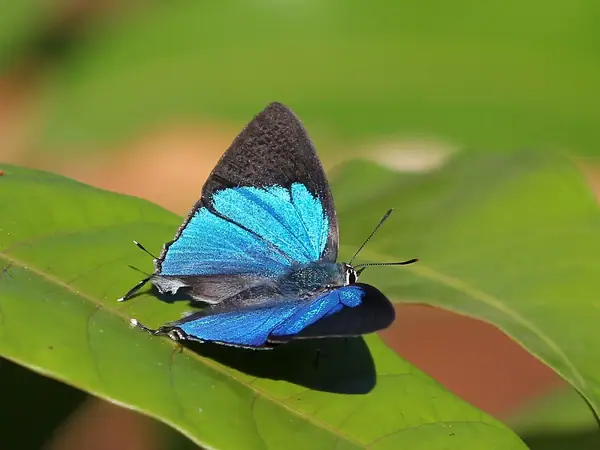 Tajuria cippus - Firos AK
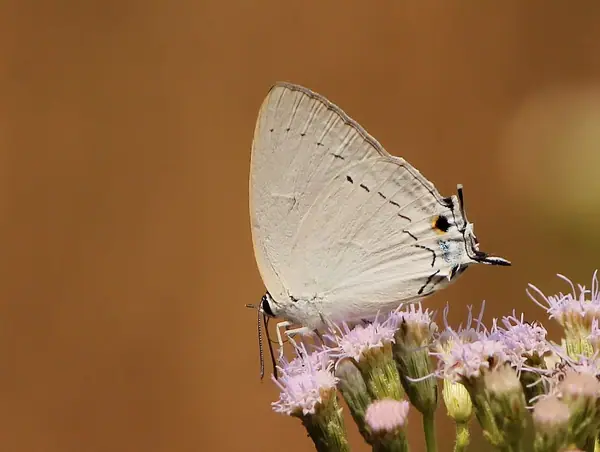 Tajuria cippus from Bangalore
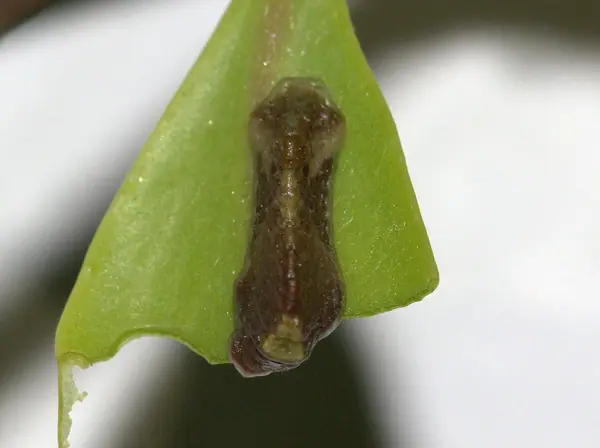 Tajuria cippus life cycle
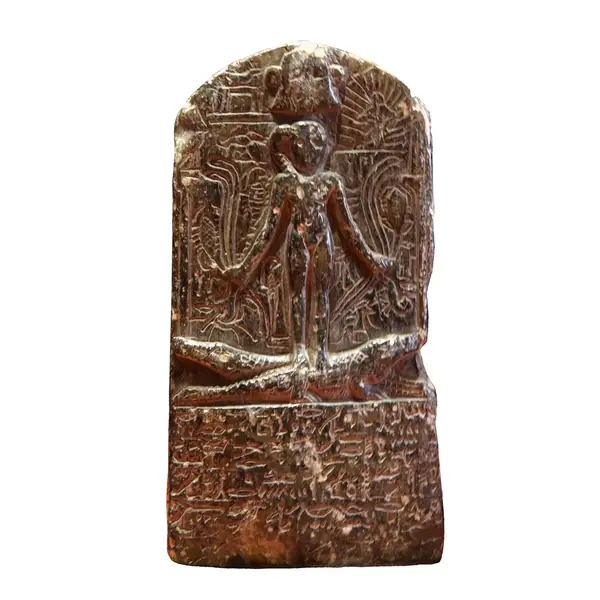 Horus on crocodiles
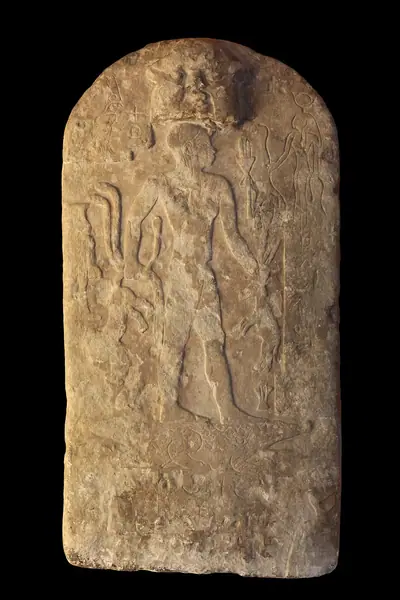 Magical stele Horus-Ched on crocodiles-MBA Lyon 1969-156Late period, 25th dynasty Taken on 20 April 2011, 11:47 (according to Exif data)
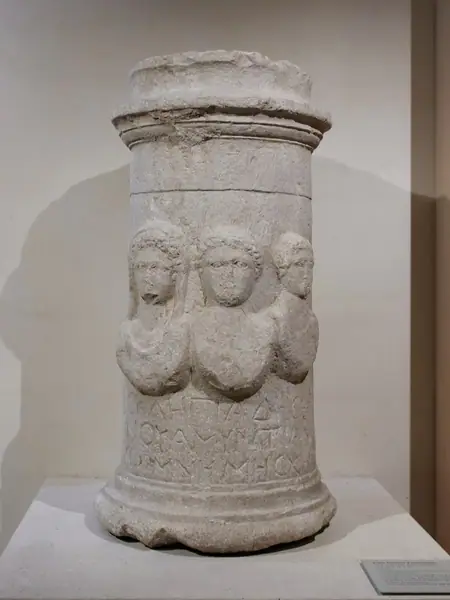 Cippus Amyntianos Louvre Ma2918 n01
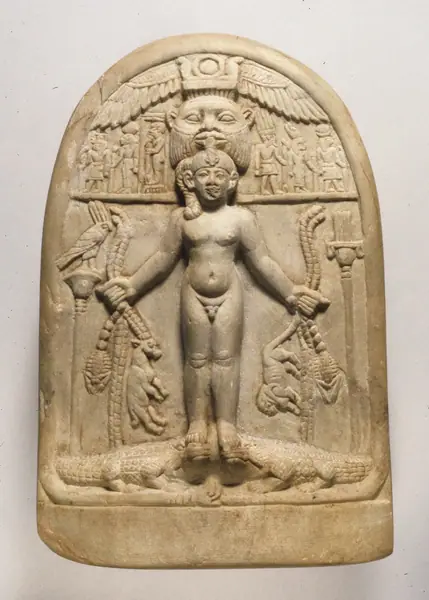 Cippus of Horus (magical stela)664–30 B.C. Period: Late Period–Ptolemaic Period
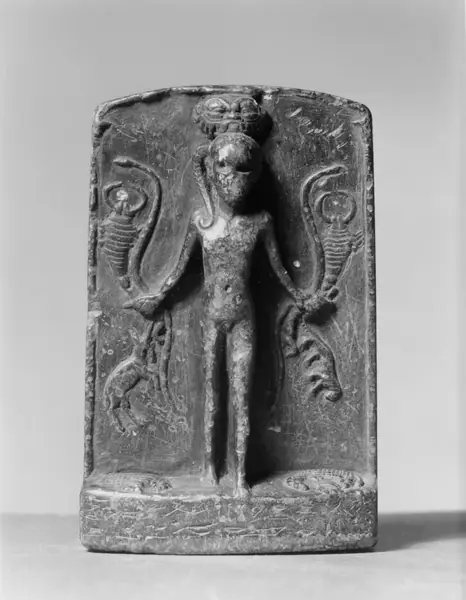 Cippus of Horusbetween 664 and 342 BC ([[Category:Unsupported period| Late Period of ancient Egypt era QS:P2348,Q621917 ]] Late Period
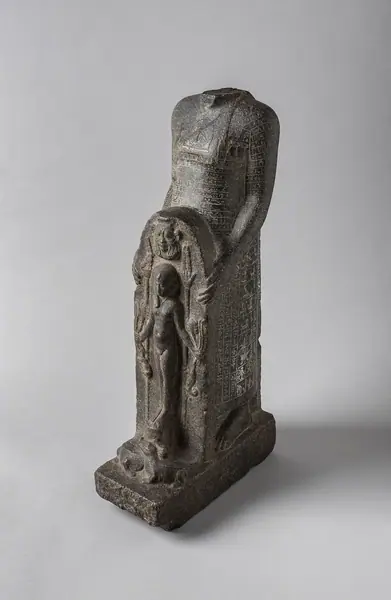 Magical stelophorous statue of Hor, scribe of the army title QS:P1476,en:"Magical stelophorous statue of Hor, scribe of the army " label QS:Len,"Magical stelophorous statue of Hor, scribe of the army between 370 and 330 BC date QS:P,-350-00-00T00:00:00Z/7,P1319,-0370-00-00T00:00:00Z/9,P1326,-0330-00-00T00:00:00Z/9 Late
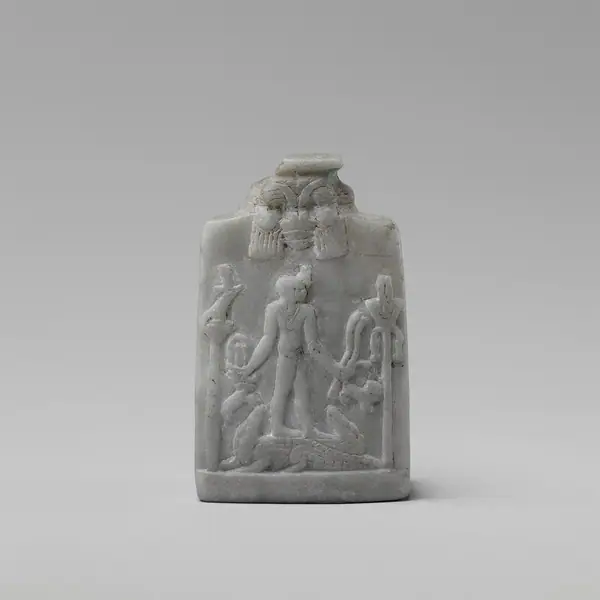 Miniature Cippus (magical stela) with Horus in profile wearing gazelle head on the foreheadcirca 712–332 B.C. Period: Third Intermediate Period–Late Period Dynasty: Dynasty 25–30
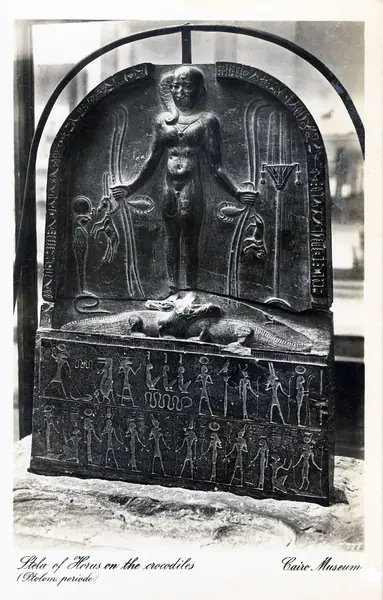 Cairo, Egyptian Museum, Antiquities
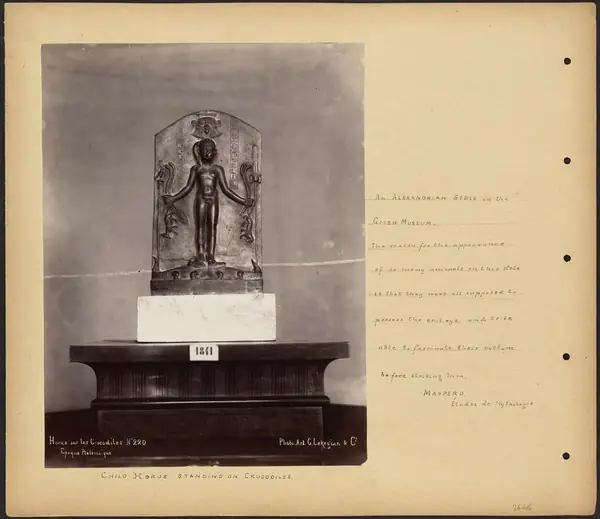 Child Horus Standing on Crocodiles by Boston Public Library
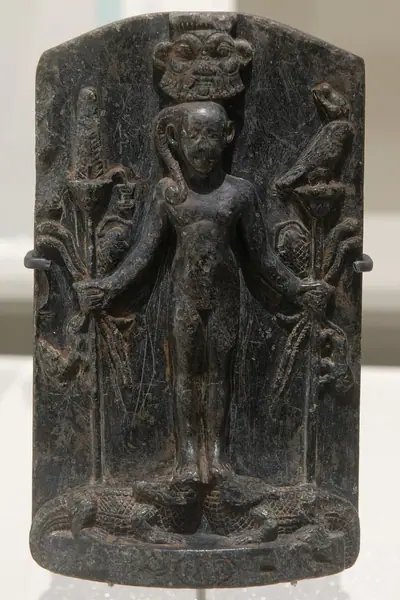 Cippus of Horus Musée BnF inv53-239bis
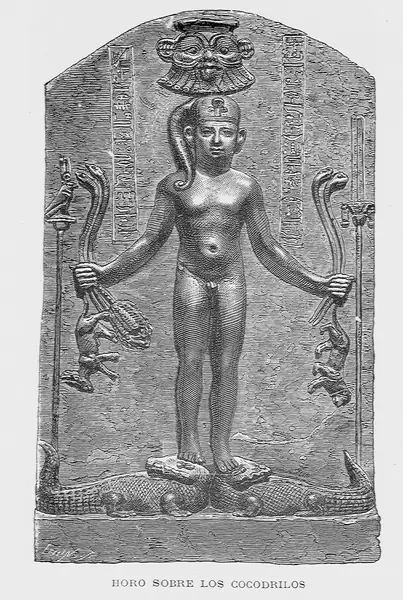 Egipto, 1882 "Horo sobre los cocodrilos" (21663372282)
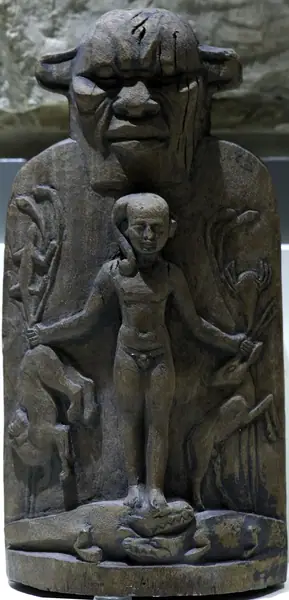 Horus child (wood, a really nasty one) (5096805217)
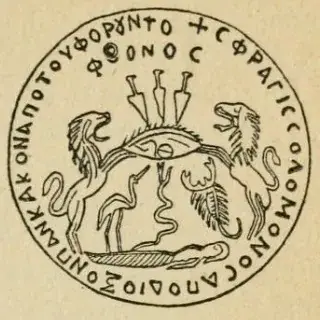 Perdrizet-Negotium-fig008-amulet
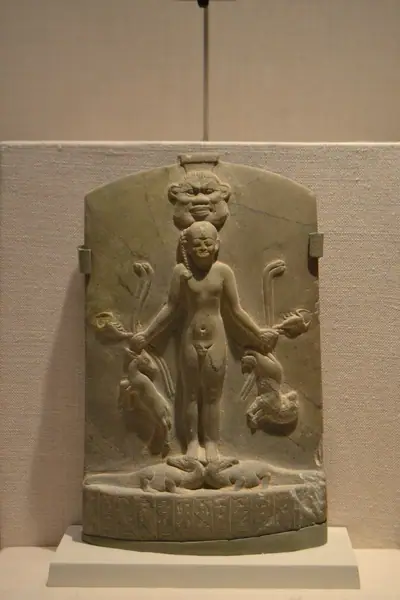 Ancient Collection MfA Boston 0751
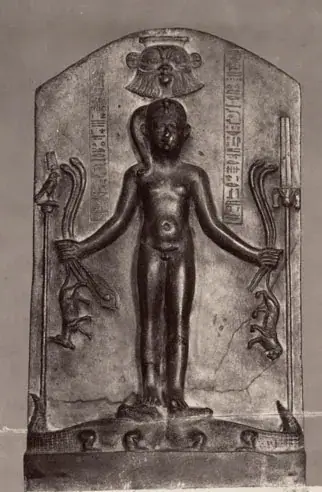 Child Horus Standing on Crocodiles by Boston Public Library (cropped) - 2
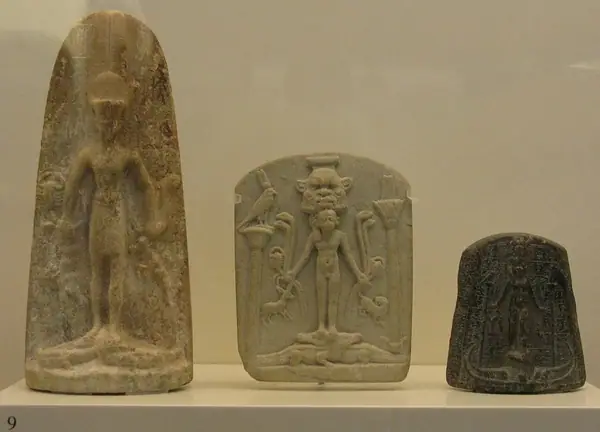 Egyptian Artifacts. National Archaeological Museum, Athens, Greece (4334584370)
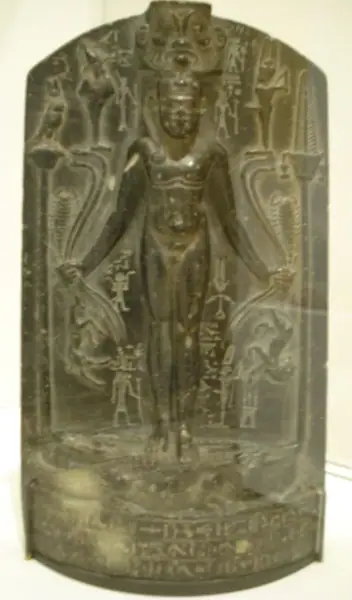 Healing Stela of Horus
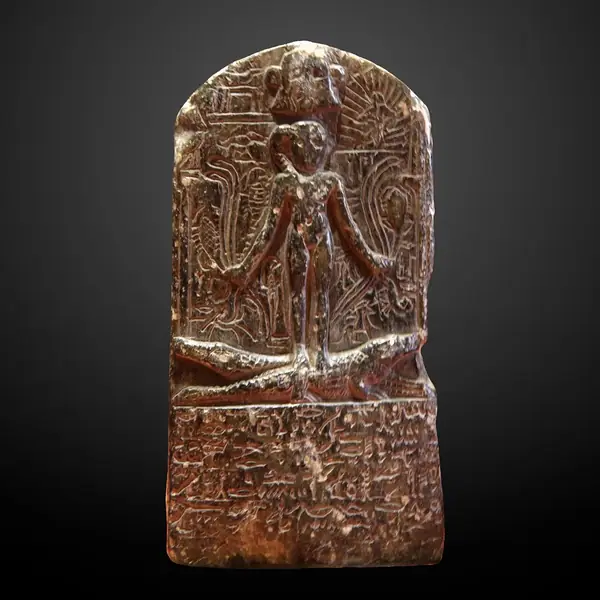 Horus on crocodiles-IMG 9386-gradient
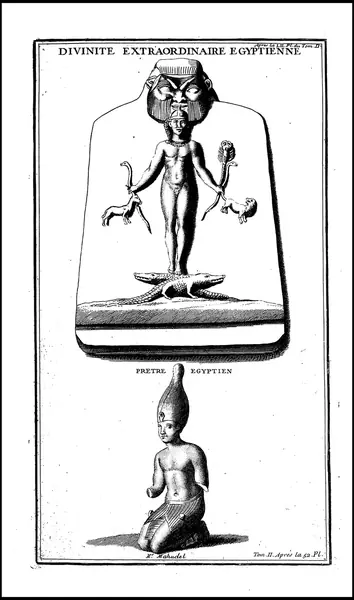 Supplement au livre de l'antiquité expliquée et représentée en figures. T. 2, Le culte des Grecs, des Romains, des Egyptiens et des Gaulois
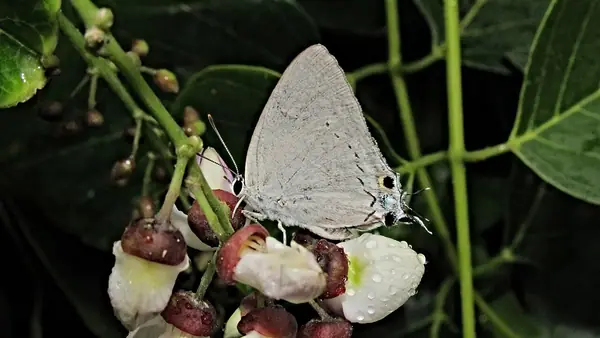 2-Peacock Royal Butterfly - Tajuria cippus(Fabricius,1798)
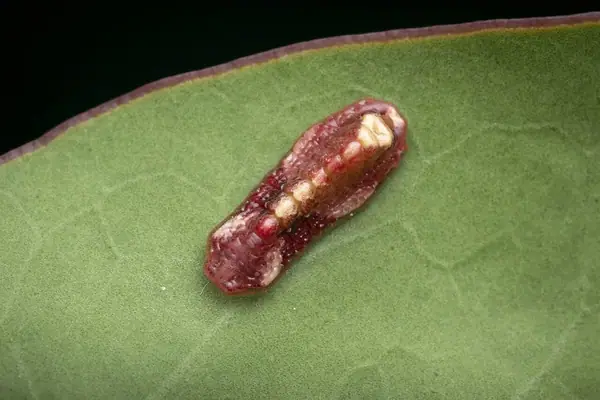 4th instar caterpillar of Tajuria cippus (Fabricius, 1798) - Peacock Royal
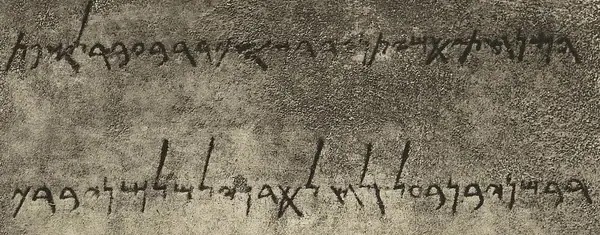 Abdmiskar cippus inscription close up
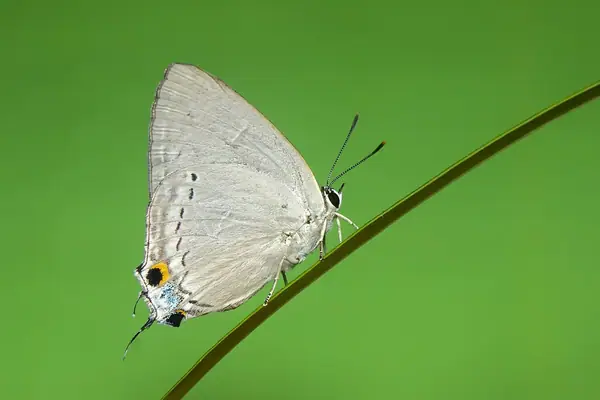 Close wing Basking of Tajuria cippus (Fabricius, 1798) - Peacock Royal (3) WLB
 Close wing nactarine position of Tajuria cippus (Fabricius, 1798) - Peacock Royal ANK9273
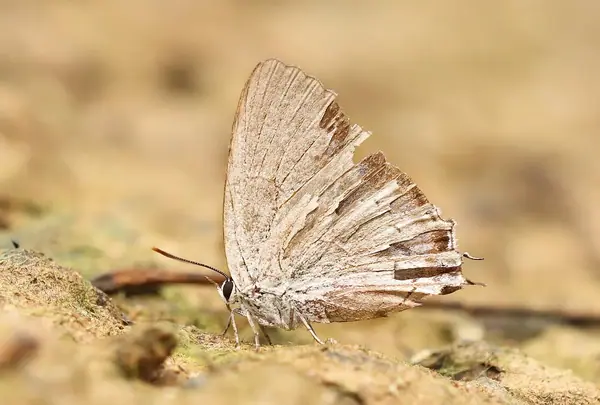 Close wing posture Mud puddle of Tajuria cippus (Fabricius, 1798) Peacock Royal (Female) WLB IMG 9075a
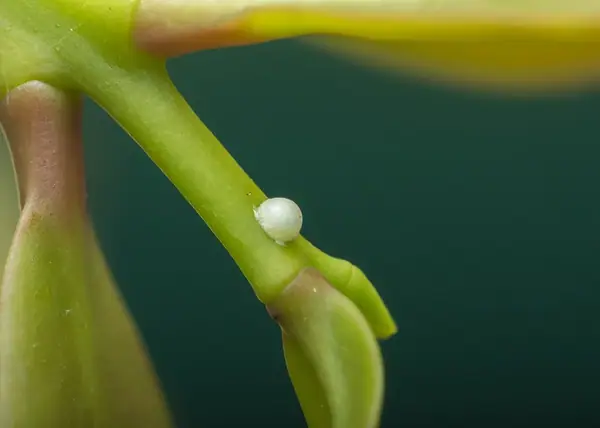 Egg of Tajuria cippus (Fabricius, 1798) - Peacock Royal
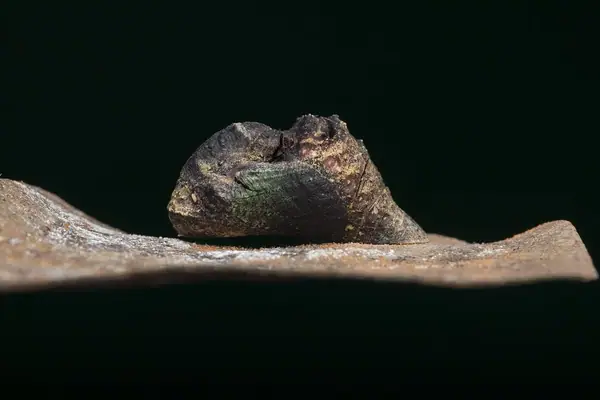 Mature pupa of Tajuria cippus (Fabricius, 1798) - Peacock Royal
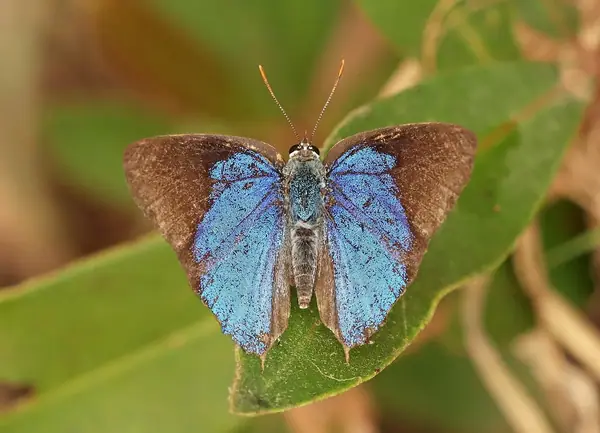 Open wing posture Basking of Tajuria cippus (Fabricius, 1798) Peacock Royal (Male) WLB IMG 8686a
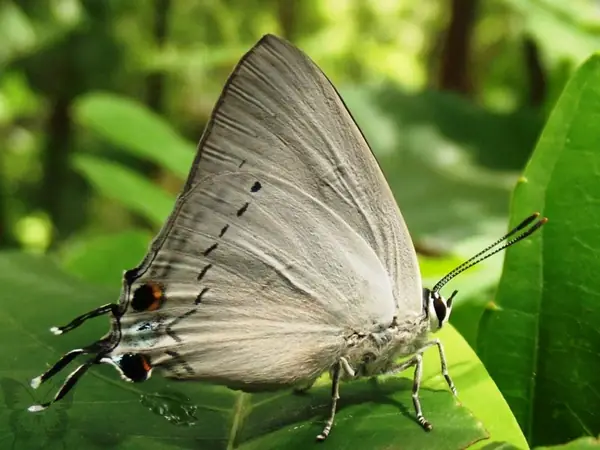 Peacock Royal(Tajuria cippus)
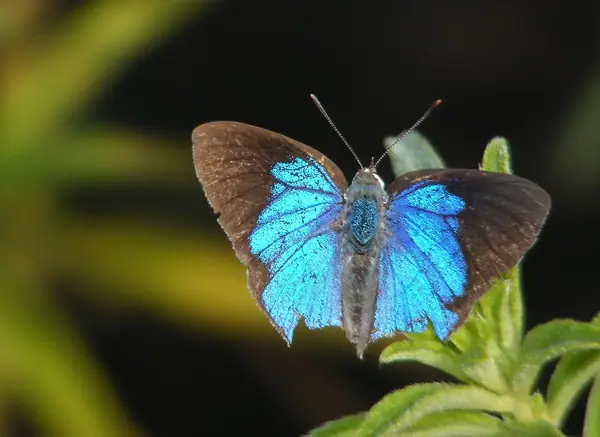 Peacock Royal Tajuria cippus (4152529716)
 Peacock Royal Tajuria cippus UN by Dr. Raju Kasambe 241010 (1)
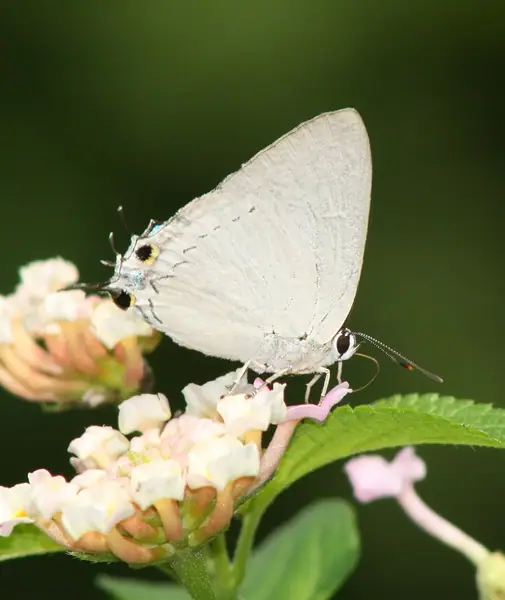 Peacock Royal Tajuria cippus by Dr. Raju Kasambe 241010 (3)
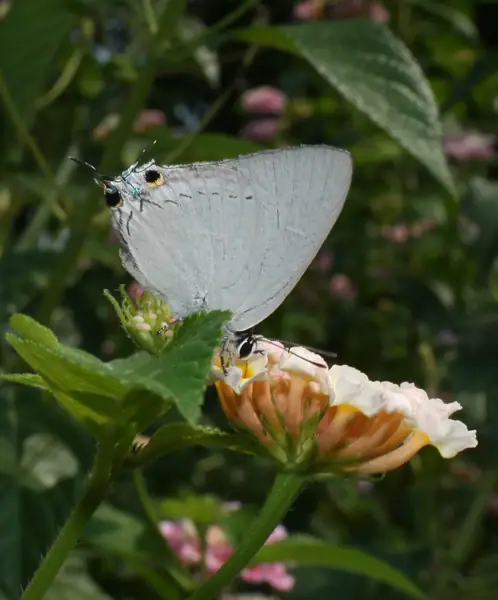 Peacock Royal Tajuria cippus by Dr. Raju Kasambe 241010 (8)
 Peacock royal (Tajuria cippus) 05106
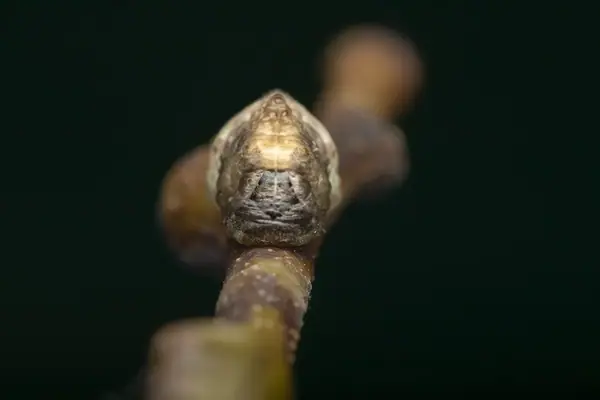 Pre-pupatory caterpillar of Tajuria cippus (Fabricius, 1798) - Peacock Royal, Front view, Second individual
More from Ancient Egypt: Scarabs & scaraboids · Heart scarabs & heart amulets · Wedjat eye (Eye of Horus) · Djed, tyet, ankh & hieroglyph signs · Funerary tool & body amulets · Bes & Taweret, guardians of the household · Gods & goddesses · Sacred animals · Hands, fists & faces · Apotropaic wands (birth tusks) · Hypocephali & amulet sets · Other & unsorted Ancient Egypt
Every type in the gallery
Anything in the gallery can be made: any piece, any tradition, in its own material or yours, by hand from the documented original. Numbered. Price on commission, quoted before anything is made. I reply within one business day.