Eye idols
Meaning
Flat figurines consisting mostly of staring eyes, sometimes two pairs or with a child figure incised, they represent a worshipper in permanent attentive watch before the deity, or possibly a watching goddess.
Intent
They were deposited in their thousands in the 'Eye Temple' at Tell Brak in Syria as votive offerings, standing in for the worshipper so that their devotion and petition continued without end. Their exact meaning is still debated.
Significance
The eye idols are a striking early example of the eye as the centre of religious attention. Some scholars see them as ancestors of later eye amulets. Their sheer number, estimated at over 20,000 fragments, shows mass votive practice.
History
They date to the Late Chalcolithic Uruk period (c. 3500–3300 BCE). Max Mallowan and Agatha Christie excavated the Eye Temple at Tell Brak in 1937–38, and similar figures are known from other northern Mesopotamian sites.
Making yours
3–10 cm. Flat alabaster or bone plaque with one or two pairs of incised ringed eyes on a stem body.Ancient Near East & Levant: the tradition
Mesopotamian protection grew out of a world crowded with named demons, each with a job: Lamashtu killed infants, the utukku haunted, fever demons struck. Exorcists (ashipu) wrote incantation series such as Maqlû and the Lamashtu texts, and amulets put those texts and images to work. Carved stone animal seals of the Uruk period (c. 3500 BCE) are among the oldest amulet-seals anywhere. In the first millennium BCE, Neo-Assyrian and Neo-Babylonian households hung Pazuzu heads and Lamashtu plaques. Phoenician traders spread Egyptianising amulets and glass faces across the Mediterranean, and in Sasanian Mesopotamia Jews, Christians and Mandaeans buried inscribed incantation bowls under their floors.
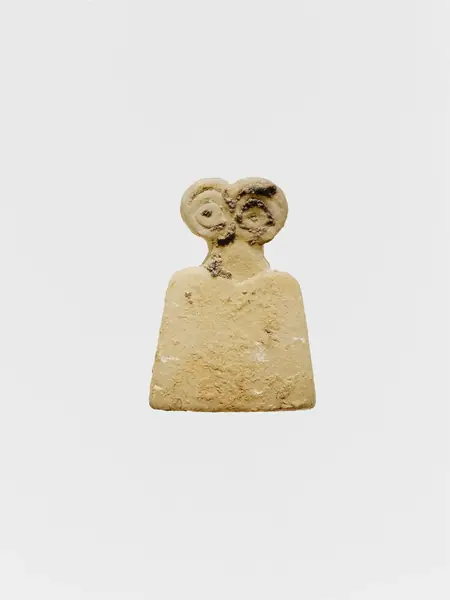 Eye idolcirca 3700 date QS:P571,+3700-00-00T00:00:00Z/9,P1480,Q5727902 –3500 B.C.
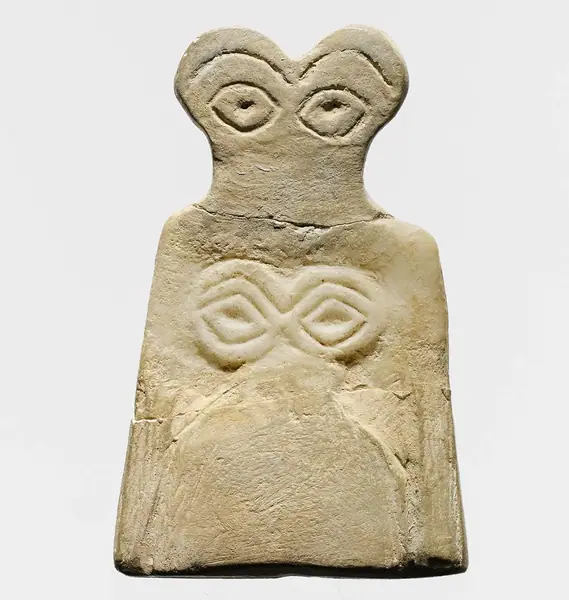 Eye idolcirca 3700 date QS:P571,+3700-00-00T00:00:00Z/9,P1480,Q5727902 –3500 B.C.
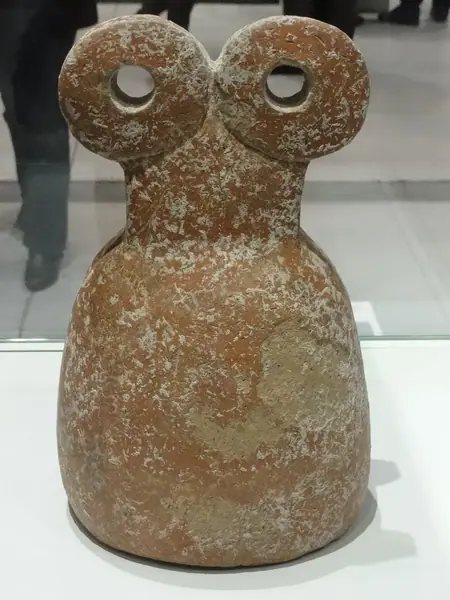 Idole aux yeuxbetween circa 3300 and circa 3000 BC date QS:P571,-3500-00-00T00:00:00Z/6,P1319,-3300-00-00T00:00:00Z/9,P1326,-3000-00-0
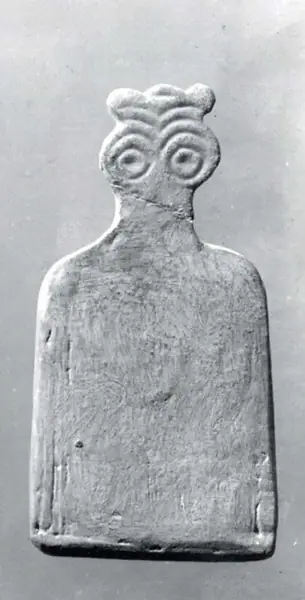 Eye idolcirca 3700 date QS:P571,+3700-00-00T00:00:00Z/9,P1480,Q5727902 –3500 B.C.
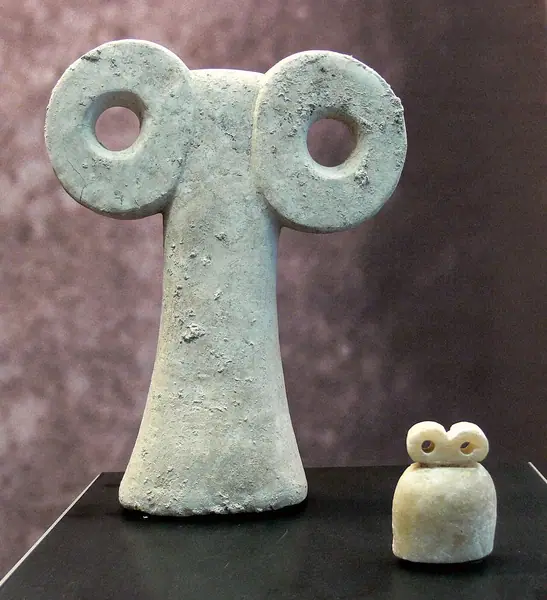 Augenidole Syrien Slg Ebnöther
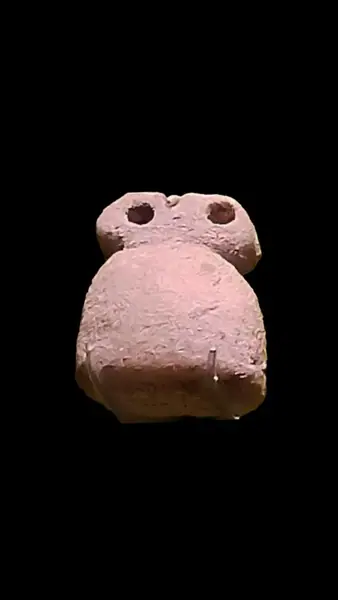 Eye Idol from Tell Brak, Ashmolean Museum
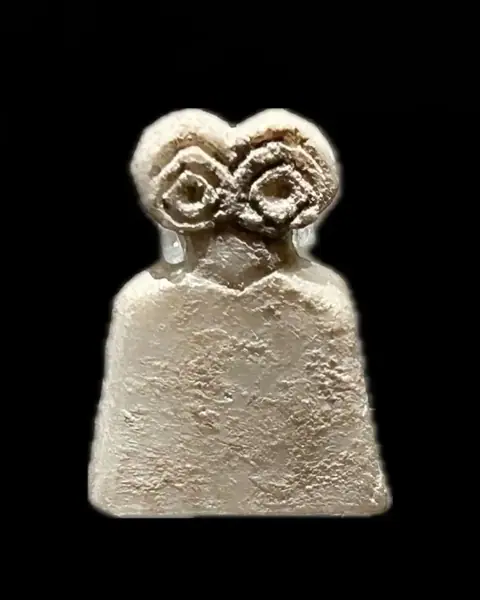 Eye idol, Alabaster, about 3200 BC Eye Temple, Tell Brak, Syria, Fitzwilliam Museum, Cambridge
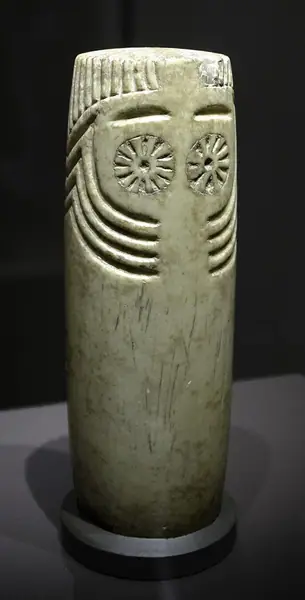 Ídolo oculado (16186809078)
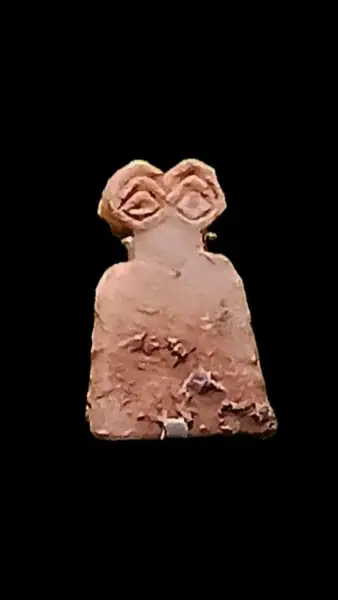 Another Eye Idol from Tell Brak, Ashmolean Museum
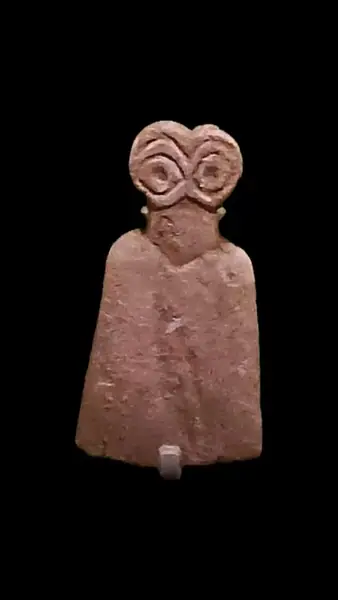 Eye Idol, Tell Brak Ashmolean Museum
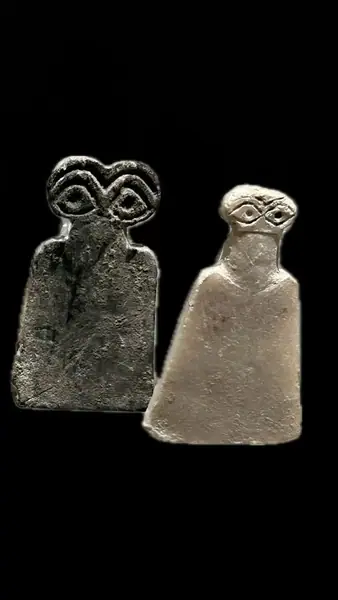 Eye Idols, Alabaster, about 3200 BC Eye Temple, Tell Brak, Syria, Fitzwilliam Museum, Cambridge
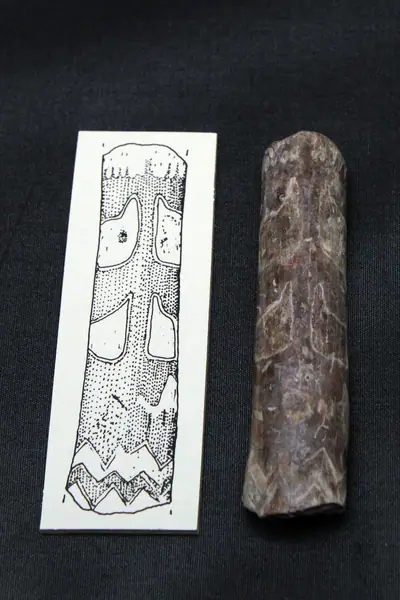 Ídolo oculado Ereta del Pedregal Eneolítico (1)
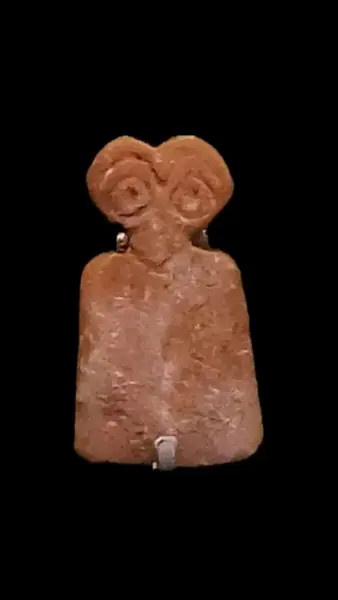 Eye Idol Tell Brak, Ashmolean Museum
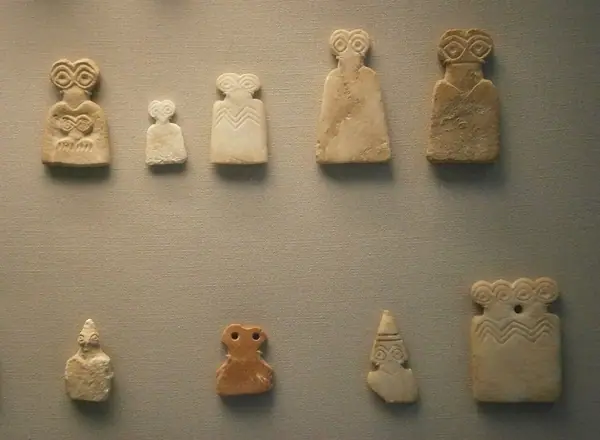 Eye idols - Tell Brak BM
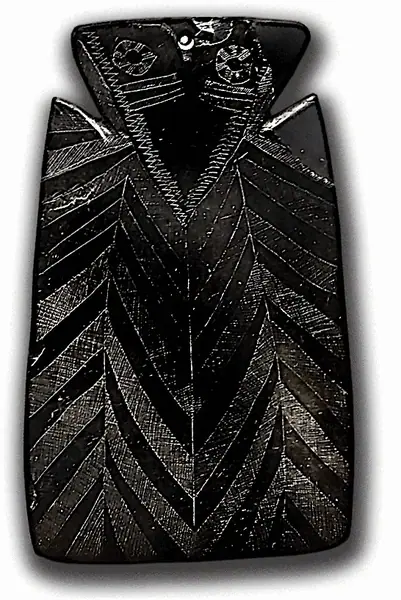 Idolo de Granja de Céspedes
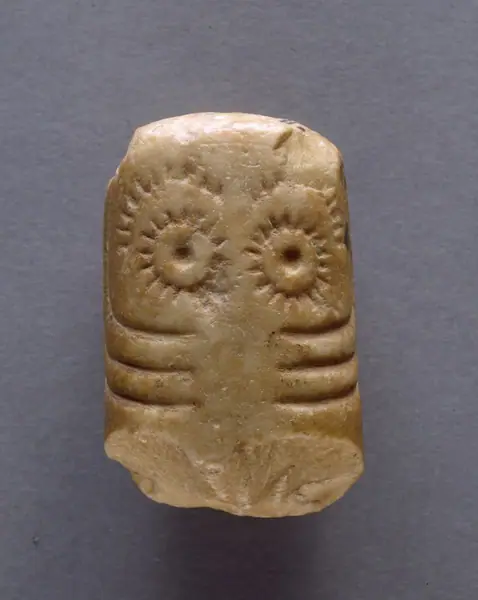 Ídolo cilíndrico oculado em calcário MNArqueologia
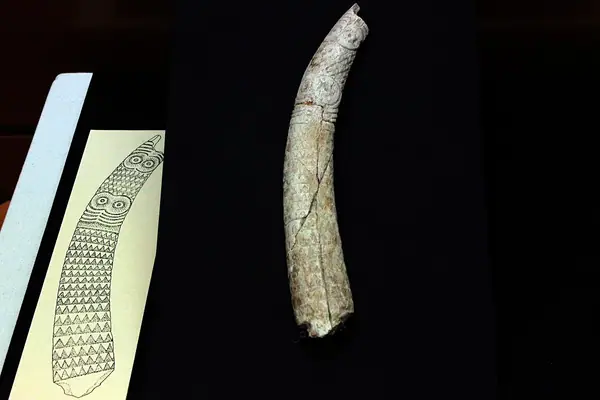 Ídolo oculado Ereta del Pedregal Eneolítico (4)
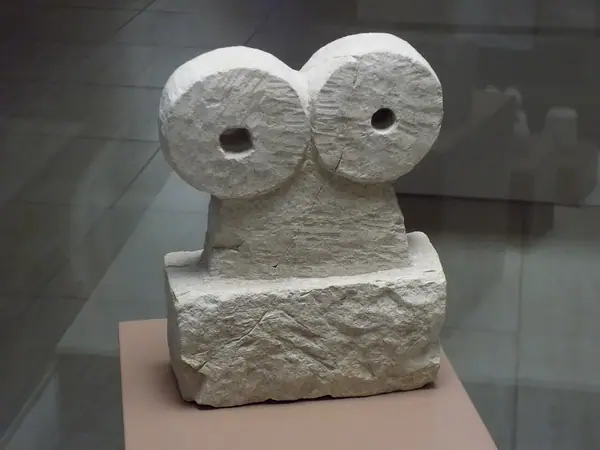 Şanlıurfa Müzesi Kalkolitik Çağ göz idolü
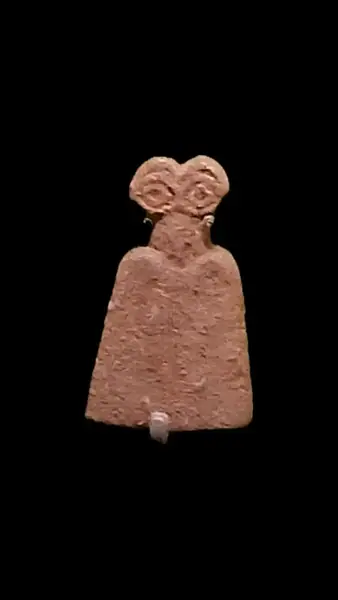 Another Eye Idol, Tell Brak, Ashmolean Museum
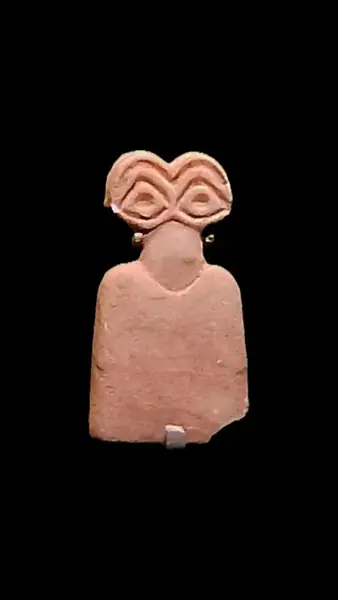 Eye Idol, Tell Brak, Ashmolean Museum
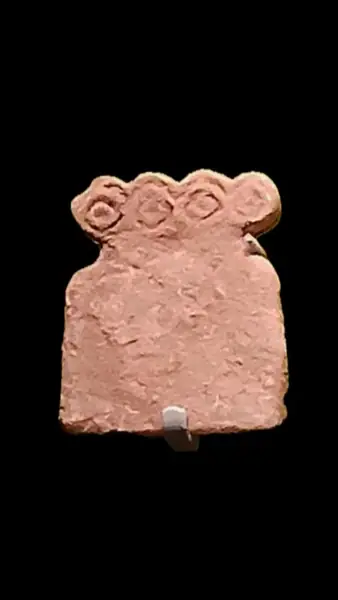 Eye Idol from Tell Brak Ashmolean Museum
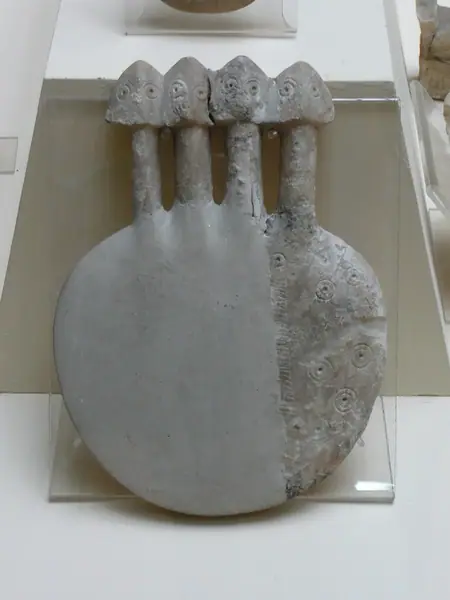 Museum of Anatolian Civilizations 1320316 nevit
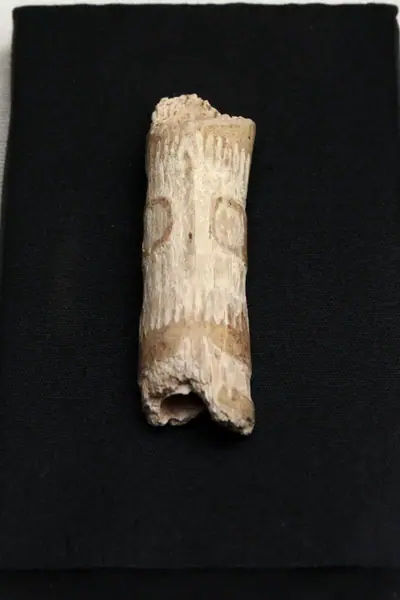 Ídolo oculado Cova de la Mallada Verda
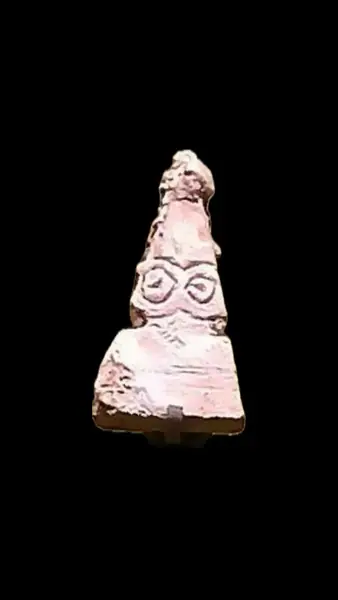 Eye Idol Tell Brak Ashmolean Museum
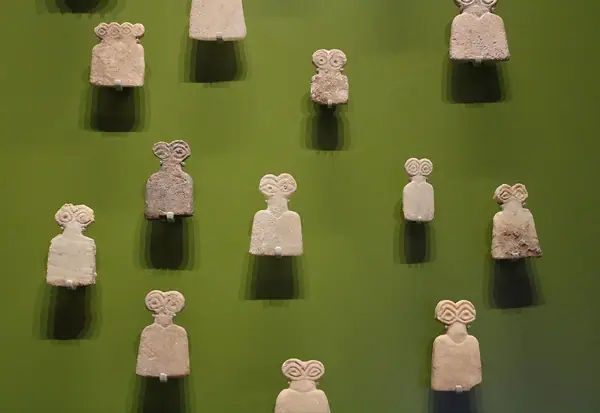 Eye idols Ashmolean
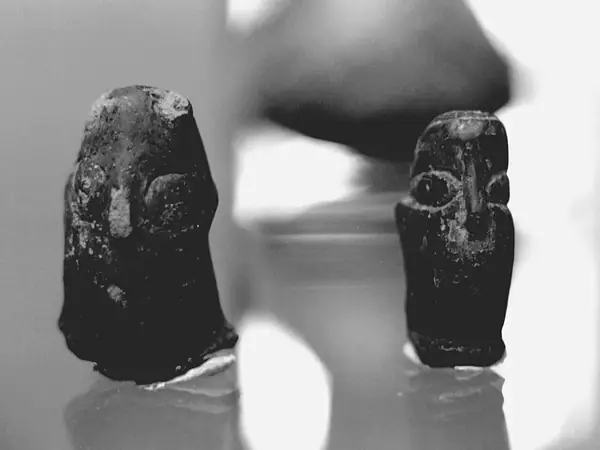 Heads of small figurines, Hcilar, 5500-5000 BC, MACAm 3050bw
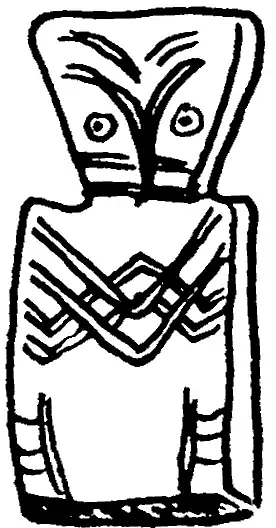 Idolo de Idanha-a-Nova (Portugal)
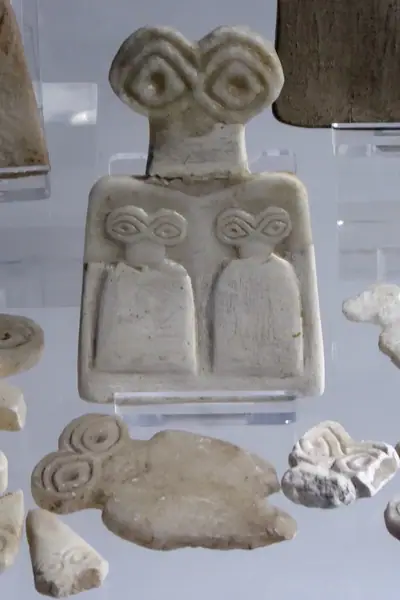 Tell Brak Eye Idols in the UCL Institute of Archaeology
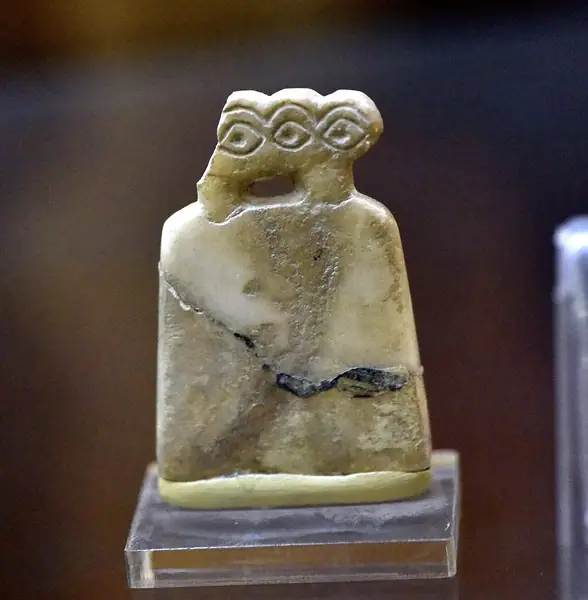 Eye Idol. From Iraq (from Tepe Gawra?). Late 4th century BCE. Sulaymaniyah Museum, Iraq
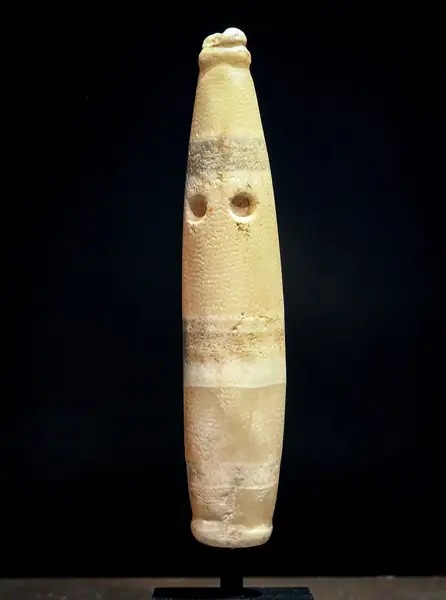 Predynastic abstract figurine from Egypt
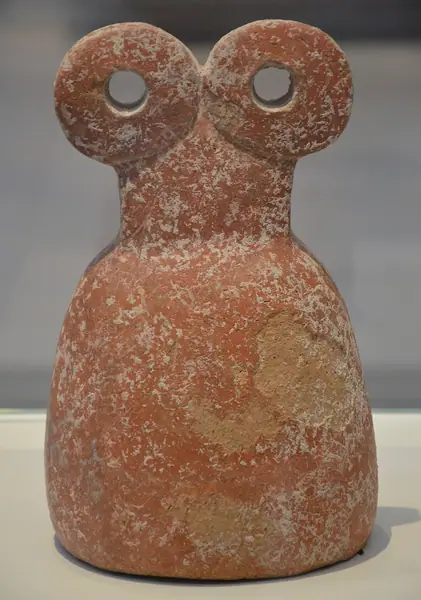 Terracota eye idol proabably representing a deity, its precise function is unknown but may be related symbolically to spinning instrument, from Syria, Halaf culture, 3300-3000 BC, Louvre Lens, France
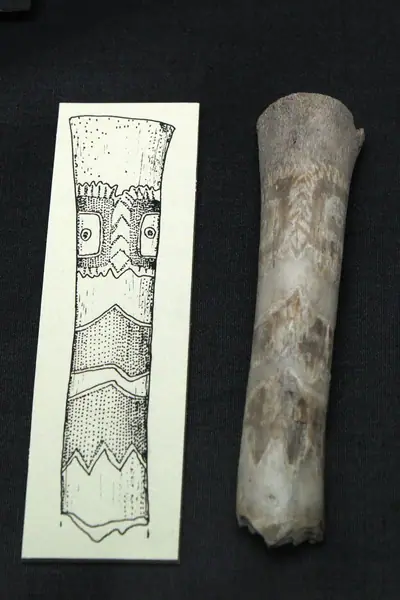 Ídolo oculado Ereta del Pedregal Eneolítico (3)
More from Ancient Near East & Levant: Pazuzu heads & figures · Lamashtu plaques · Stamp-seal & animal amulets · Phoenician & Punic glass faces · Aramaic incantation bowls · Luristan & Iranian bronze charms · Other & unsorted Ancient Near East
Every type in the gallery
Anything in the gallery can be made: any piece, any tradition, in its own material or yours, by hand from the documented original. Numbered. Price on commission, quoted before anything is made. I reply within one business day.