Anatomical votives
Meaning
A terracotta or bronze model of a body part (eye, ear, foot, leg, breast, womb, genitals, internal organs) represented the part of the body that was ill, or had been cured, placed in the god's keeping.
Intent
Worshippers dedicated them at healing sanctuaries of Asklepios and other gods, either asking for a cure or thanking the god after one, as a lasting record of the prayer. Wombs and genitals relate to fertility and childbirth.
Significance
They are among the most direct records of ancient illness and healing religion, and the clear ancestors of the Catholic ex-voto and the Latin American milagro, a continuous practice of more than 2,500 years.
History
Anatomical votives appear in Greece in the 5th century BCE (Corinth Asklepieion) and flood Etruscan and central Italian sanctuaries from the 4th to 1st centuries BCE, with tens of thousands at sites like Veii and Ponte di Nona. The practice continued into Christian Europe.
Making yours
Mould-made terracotta 5–30 cm, often hollow and with a flat back for hanging. Bronze sheet eyes and limbs are smaller.Greece, Etruria & Rome: the tradition
Greeks called amulets periapta or phylakteria, 'things tied on' and 'protectors'; Romans said amuletum or ligatura. Both cultures feared the envious glance, baskania in Greek and invidia or fascinatio in Latin, and answered it with laughter, shock and the power of images: the Gorgon's face, the phallus, the crescent moon. Children, brides, soldiers and livestock were the most protected. Graeco-Egyptian magicians of the Roman Empire engraved gems and gold foils with divine names and signs, forming a written magic that passed to Byzantium, Islam and medieval Europe. Pliny the Elder's Natural History (77 CE) records hundreds of amuletic stones, plants and animal parts, and became the source book for later lapidaries.
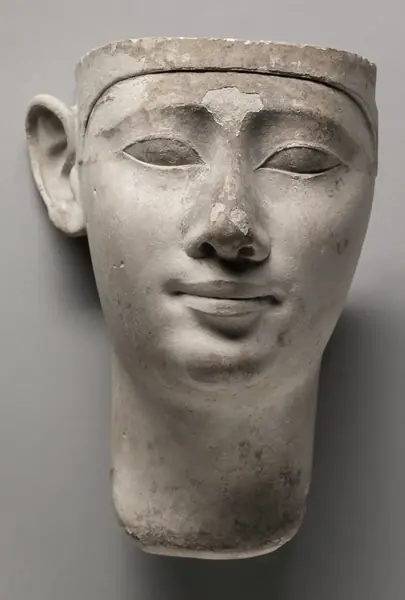 Votive Head of a KingEgypt, Greco-Roman period (332 BCE–395 CE), reign of Ptolemy II Philadelphus (285–246 BCE) · 305–246 BCE
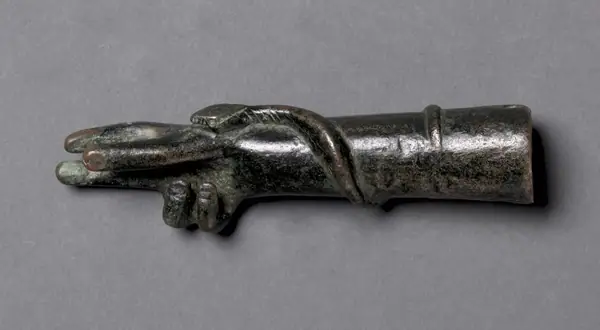 Votive Arm and Hand of Zeus SabaziosItaly, Roman · 1–200 CE
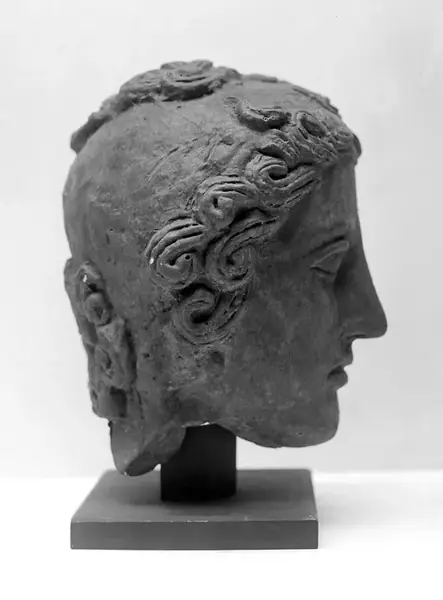 Ex-voto: head of boy showing ring worm. Cast of original in Museum Campidoglio, Rome. Profile.United Kingdom
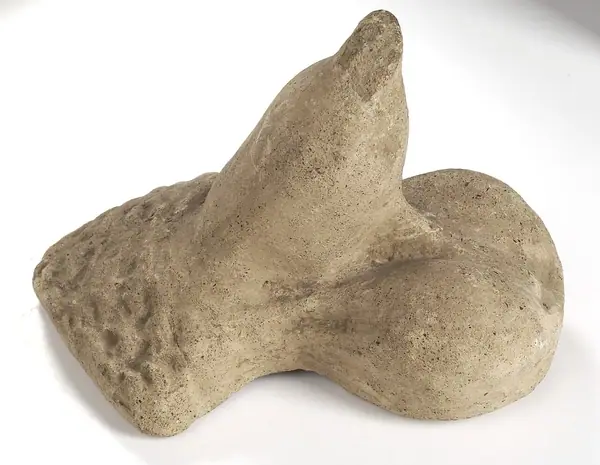 A clay-baked male genitalia. Roman votive offeringbetween 200 BC and 200 AD
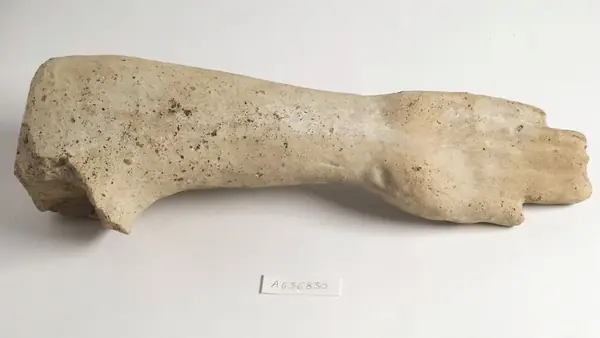 Roman votive offering
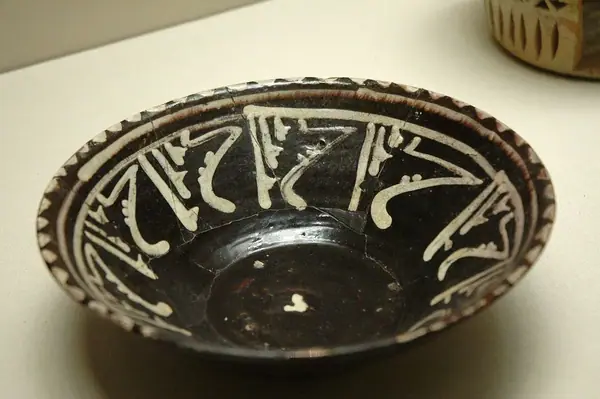 Cup votive inscription
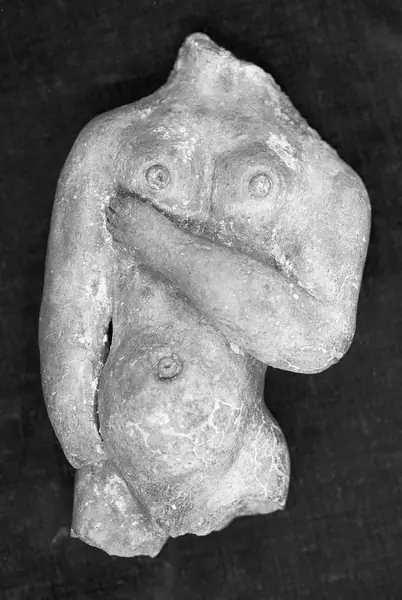 Roman ex-voto offering (?obstetrical) found in Suffolk.United Kingdom
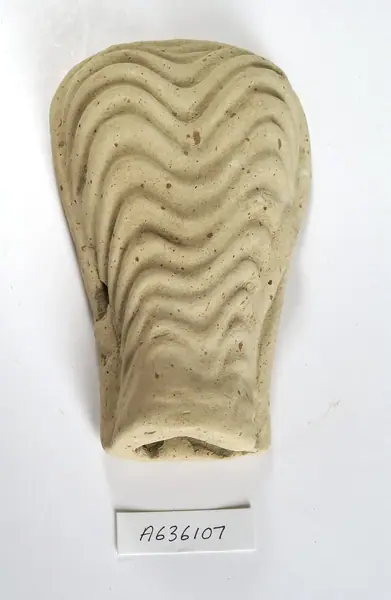 Clay-backed uterus. Roman votive offeringbetween 200 BC and 200 AD
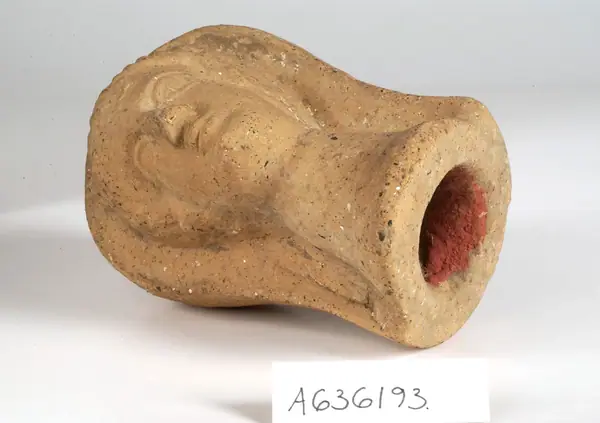 A clay-bakedface. Roman votive offering
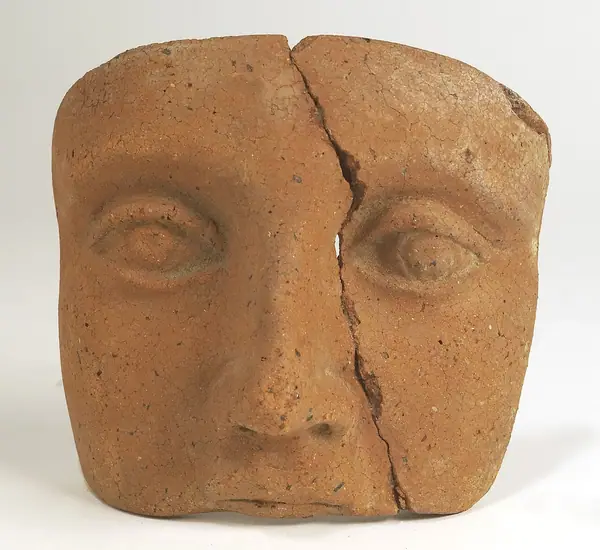 A clay-backed face. Roman votive offering
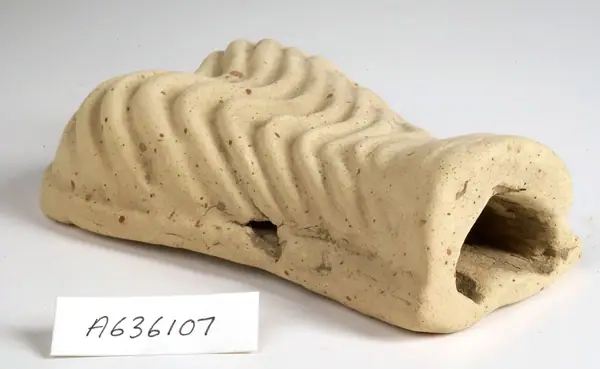 Clay-backed uterus. Roman votive offering
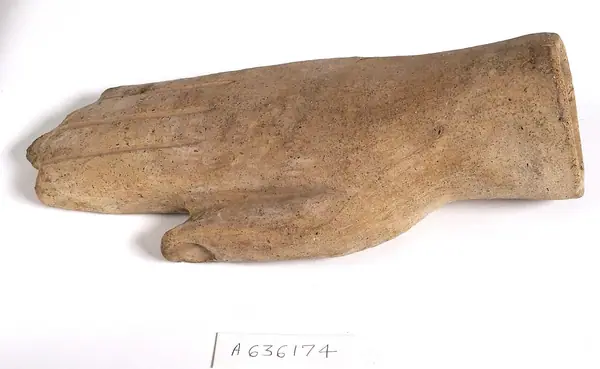 A clay-backed hand. Roman votive offering
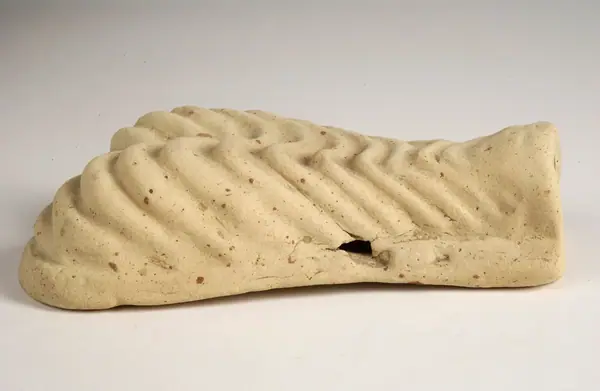 Clay-backed uterus. Roman votive offering
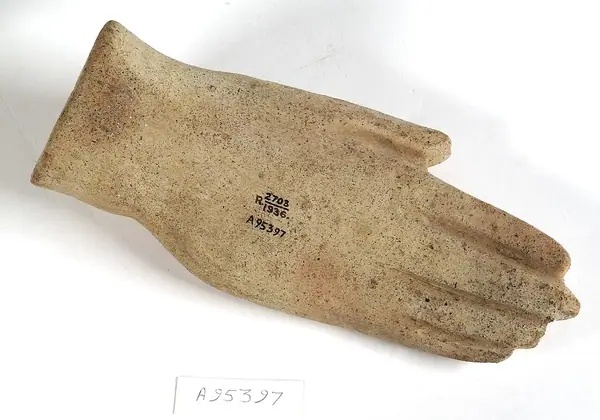 A clay-backed hand. Roman votive offering
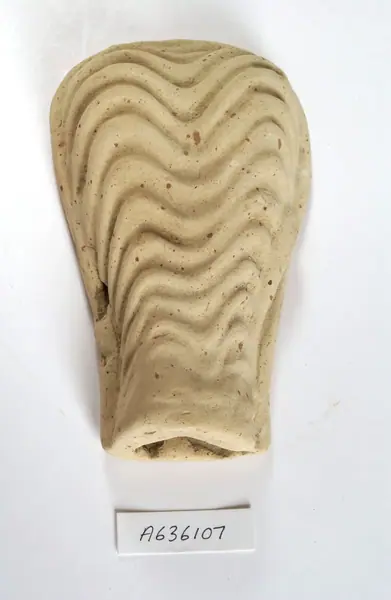 Clay-backed uterus. Roman votive offering
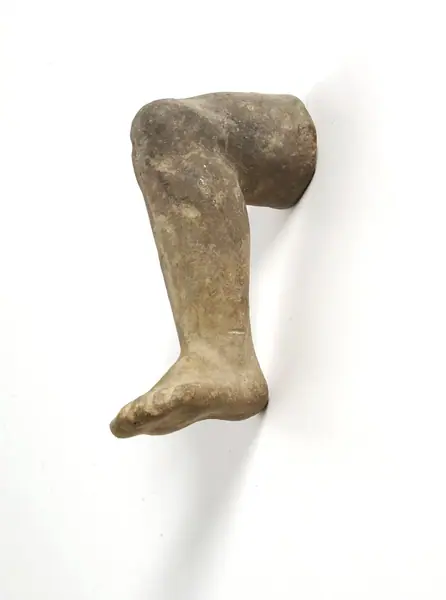 A clay-backed leg and foot. Roman votive offering
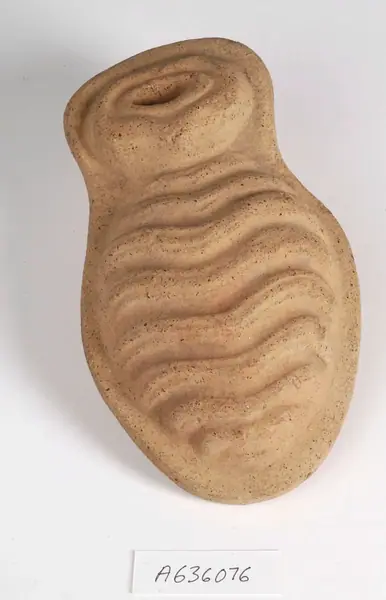 Clay-backed uterus. Roman votive offering
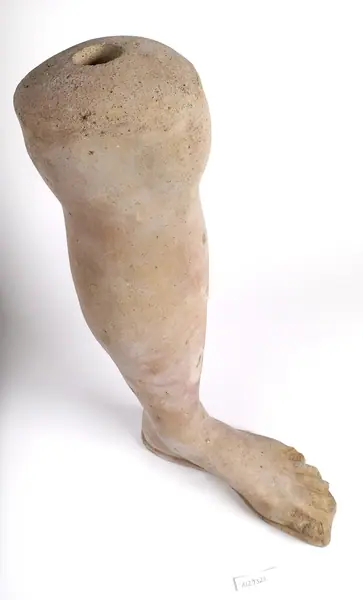 A clay-backed leg and foot. Roman votive offering
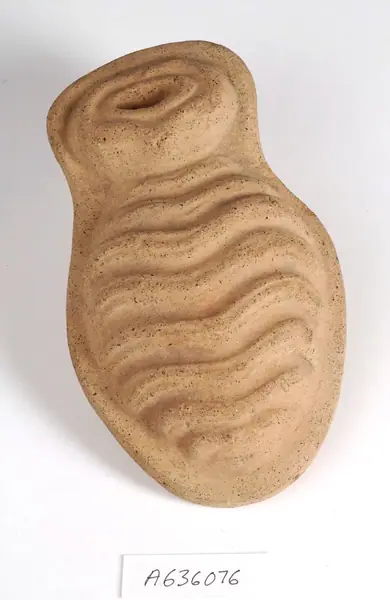 Clay-backed uterus. Roman votive offering
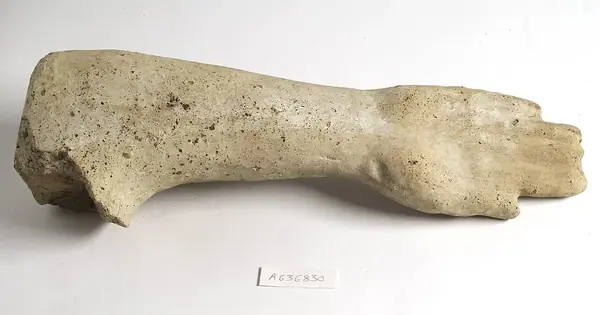 A clay-baked arm. Roman votive offering
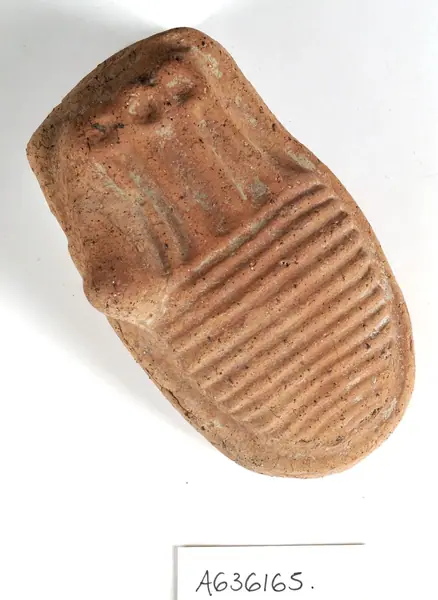 Clay-backed uterus. Roman votive offering
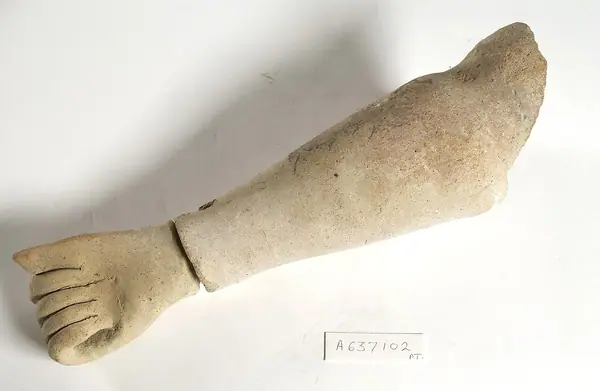 A clay-baked arm and hand. Roman votive offering
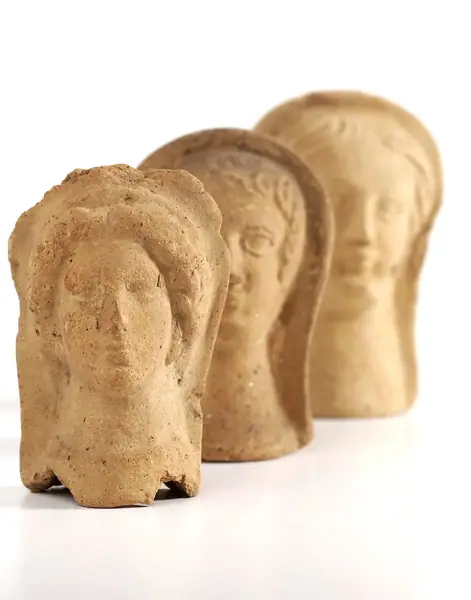 Three Roman votive offering representing faces
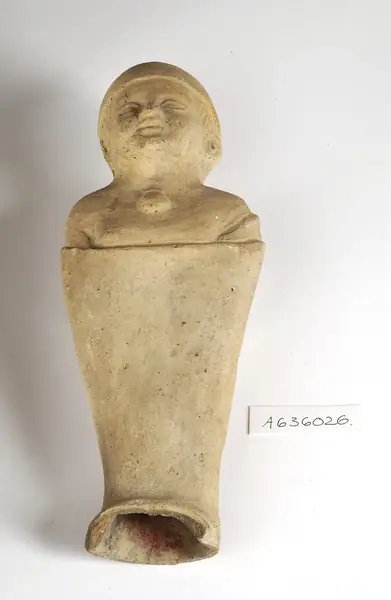 A clay-baked baby. Roman votive offering
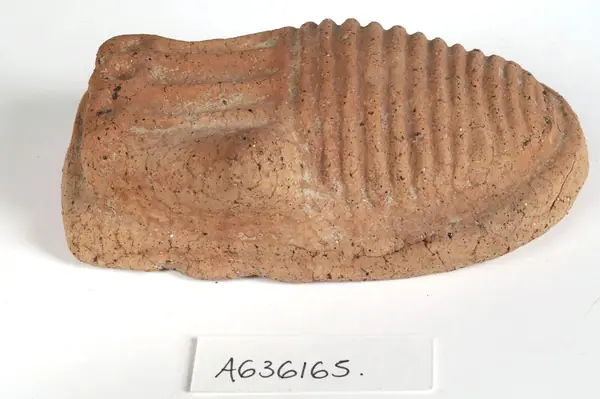 Clay-backed uterus. Roman votive offering
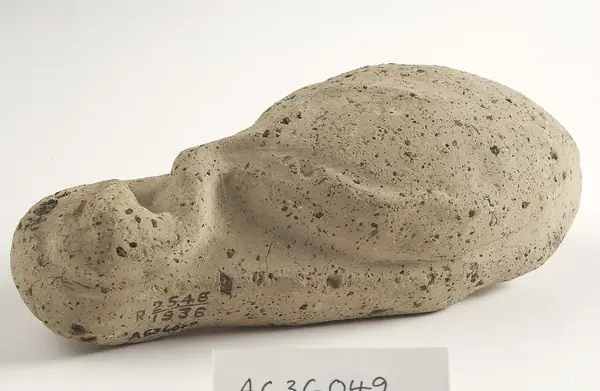 A clay-baked bladder. Roman votive offering
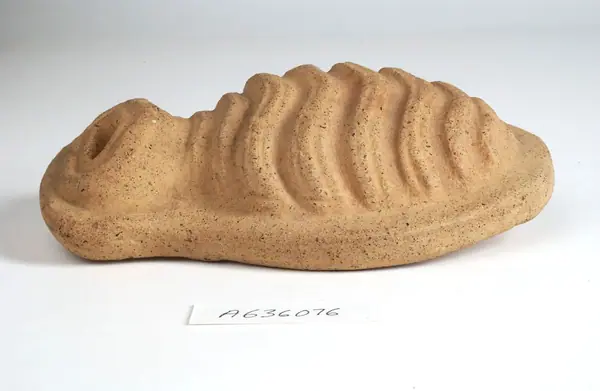 Clay-backed uterus. Roman votive offering
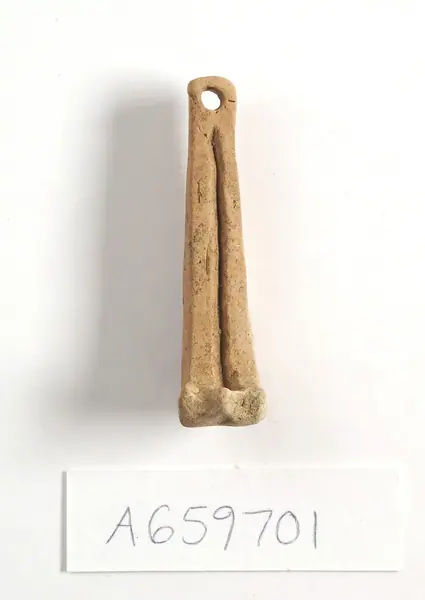 A clay-baked bone, Roman votive offering
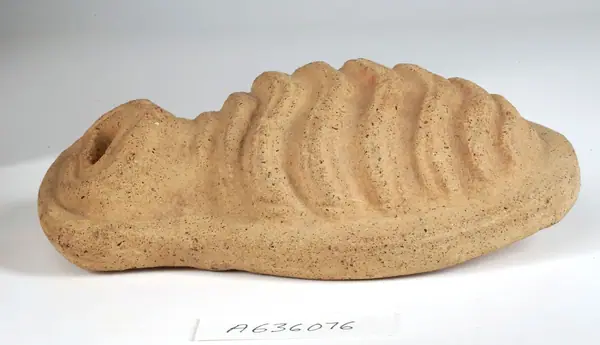 Clay-backed uterus. Roman votive offering
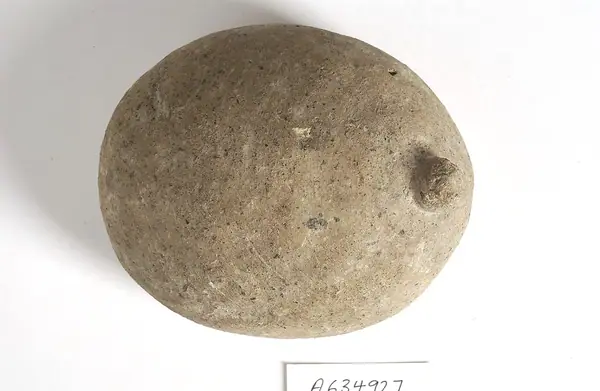 A clay-baked breast, Roman votive offering
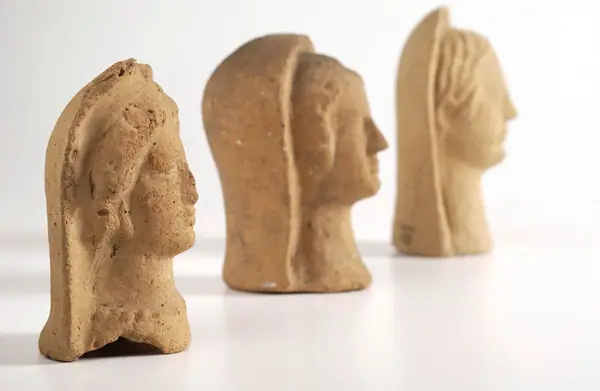 Three Roman votive offering representing faces
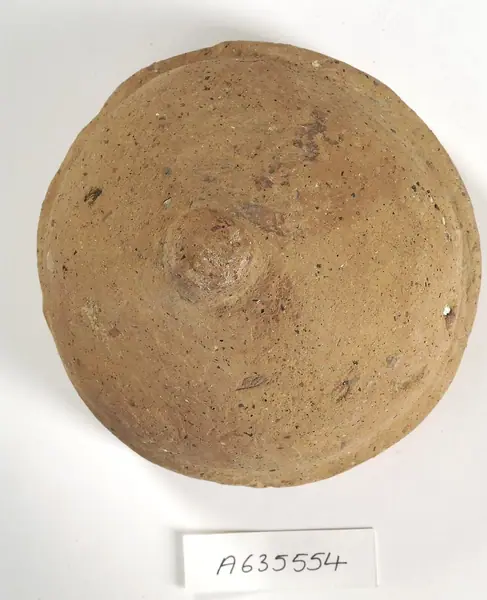 A clay-baked breast. Roman votive offering
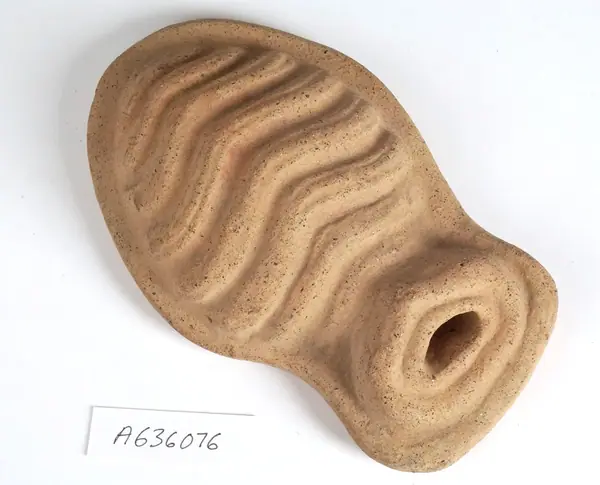 Clay-backed uterus. Roman votive offering
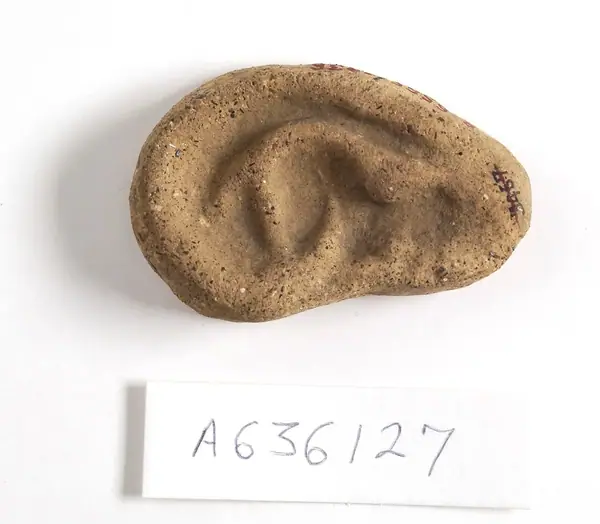 A clay-baked ear. Roman votive offering
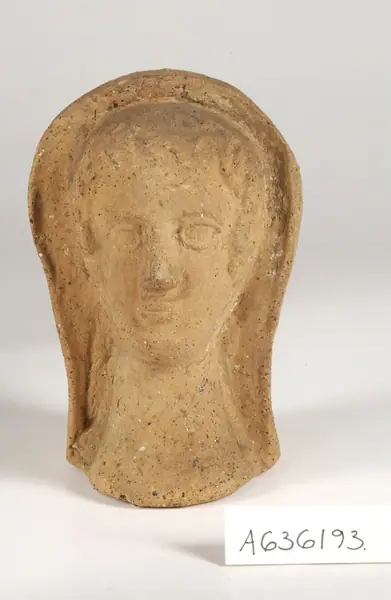 A clay-baked face Roman votive offering
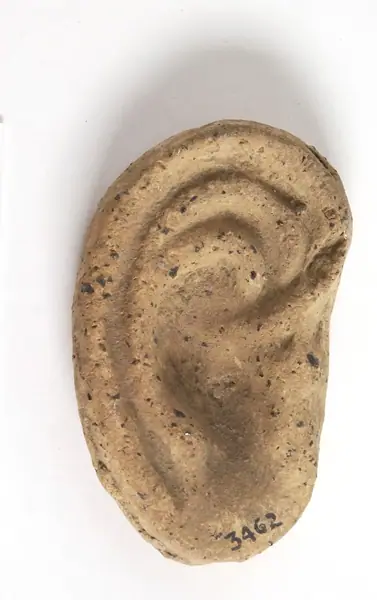 A clay-baked ear. Roman votive offering
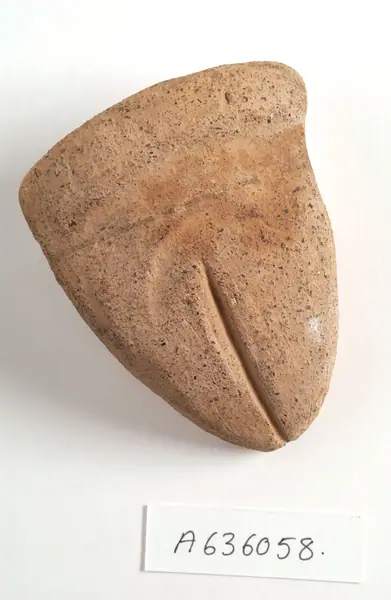 A clay-baked vulvas. Roman votive offering
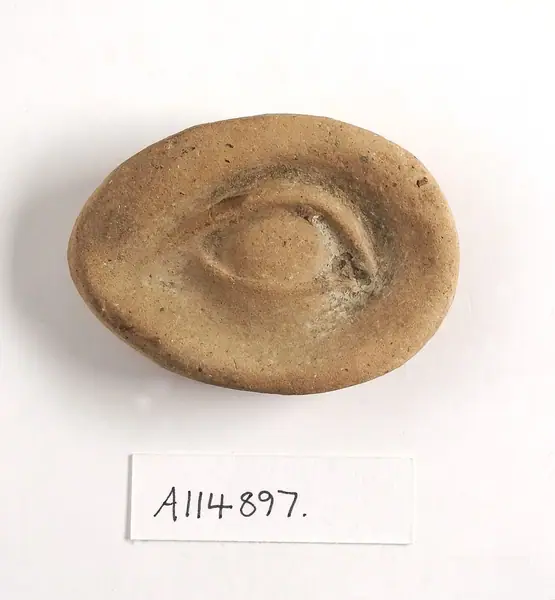 A clay-baked eye. Roman votive offering
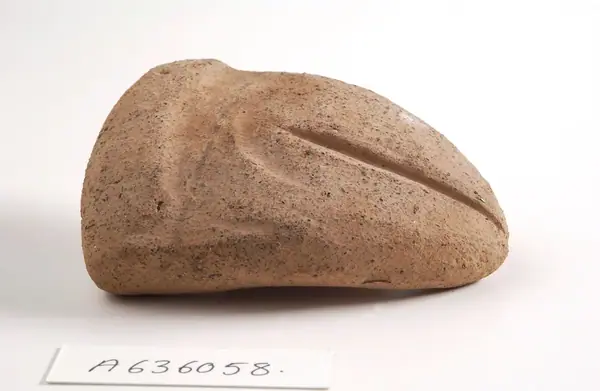 A clay-baked vulvas. Roman votive offering
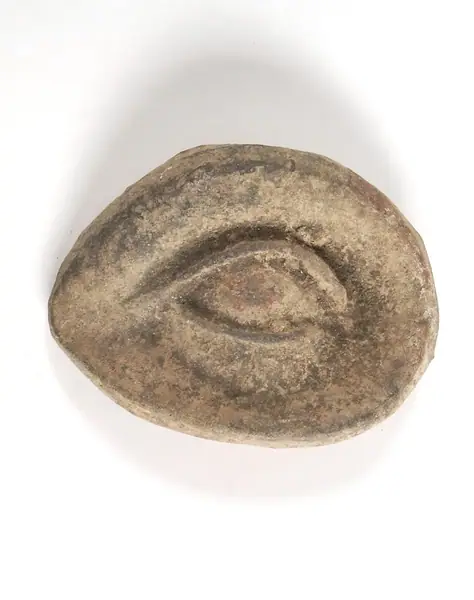 A clay-baked eye. Roman votive offering
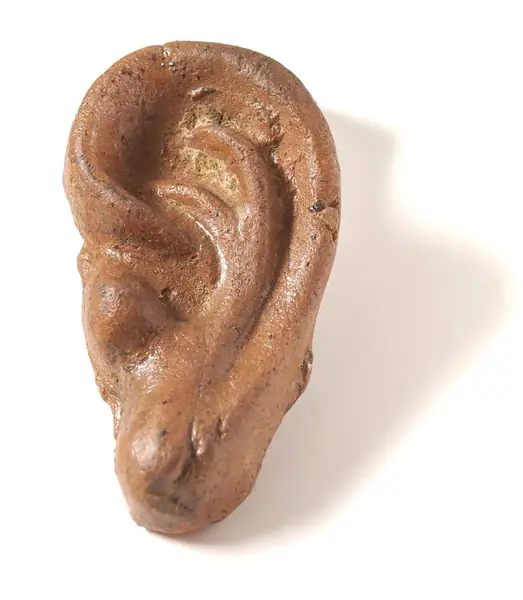 A clay-baked ear. Roman votive offering
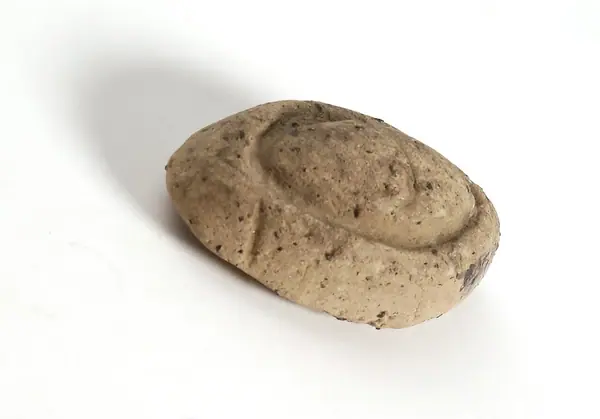 A clay-baked eye. Roman votive offering
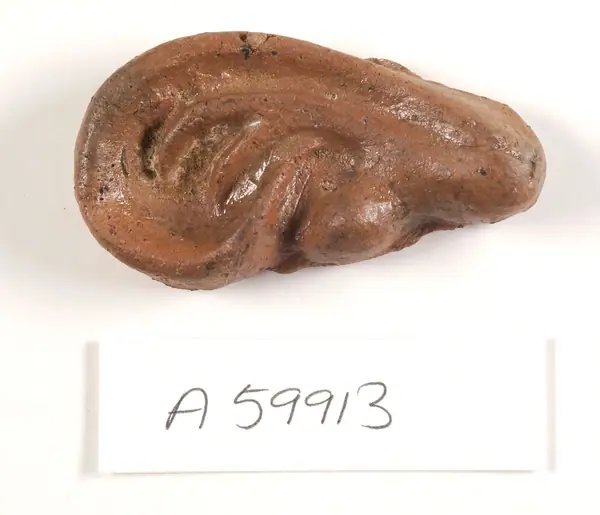 A clay-baked ear. Roman votive offering
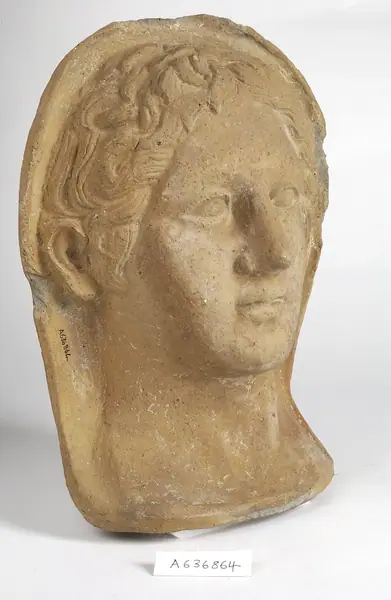 A clay-baked face. Roman votive offering
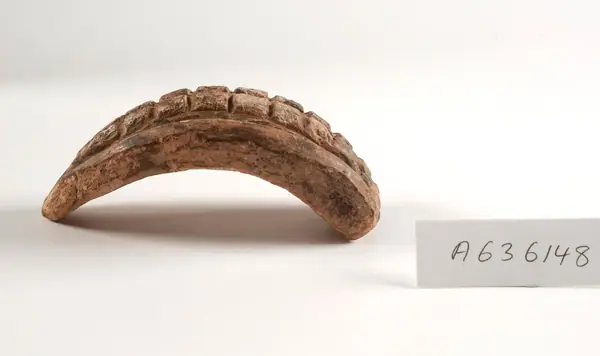 A clay-baked teeth. Roman votive offering
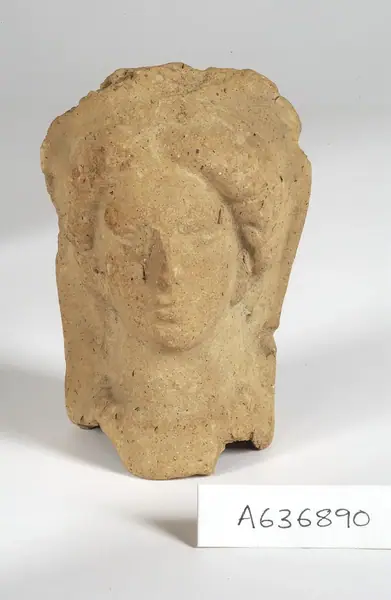 A clay-baked face. Roman votive offering
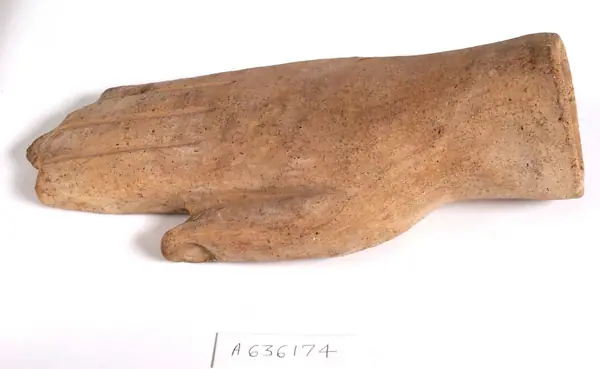 A clay-backed hand. Roman votive offering
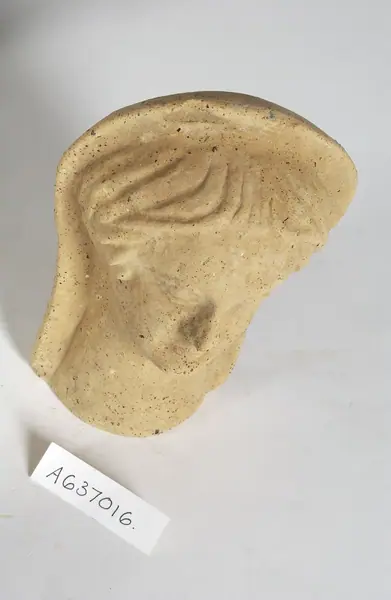 A clay-baked face. Roman votive offering
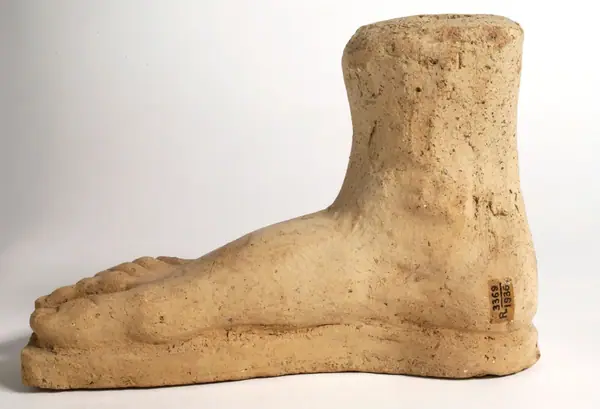 A clay-baked foot. Roman votive offering
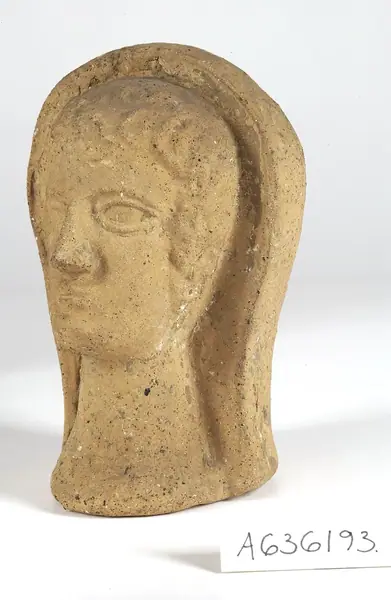 A clay-baked face. Roman votive offering
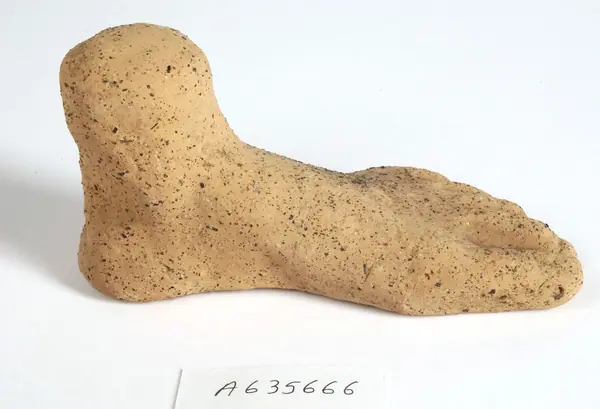 A clay-baked foot. Roman votive offering
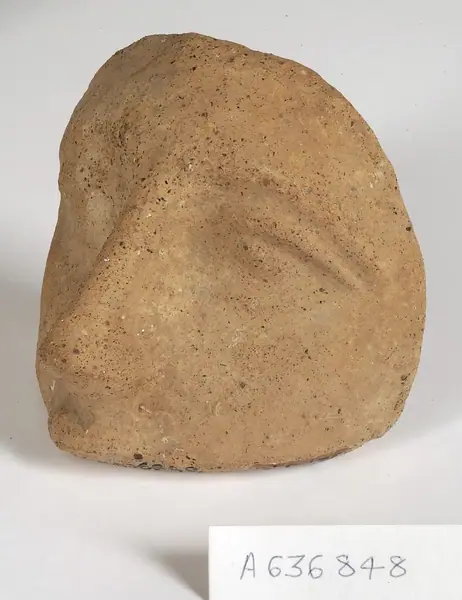 A clay-baked face. Roman votive offering
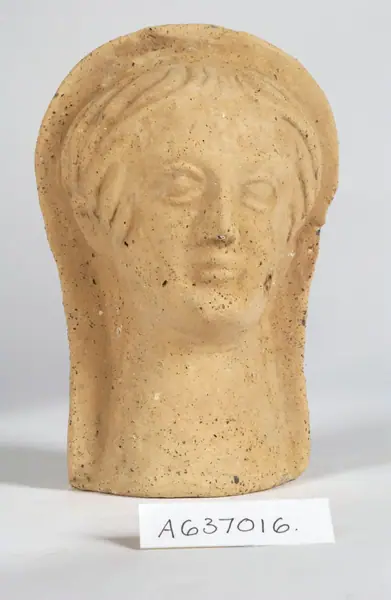 A clay-baked face. Roman votive offering
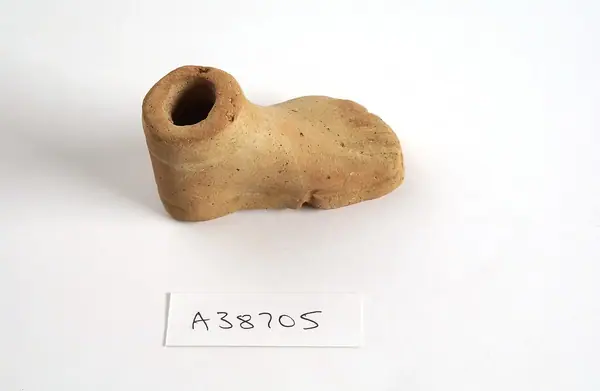 A clay-baked foot. Roman votive offering
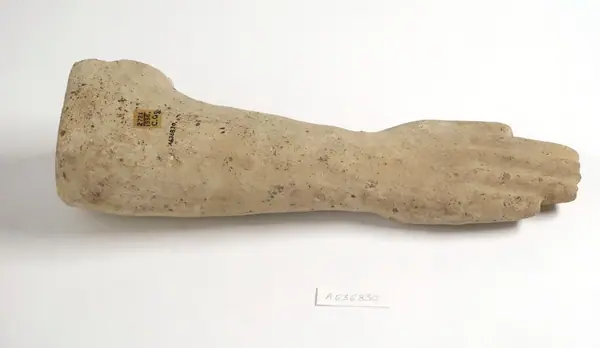 A clay-baked arm. Roman votive offering
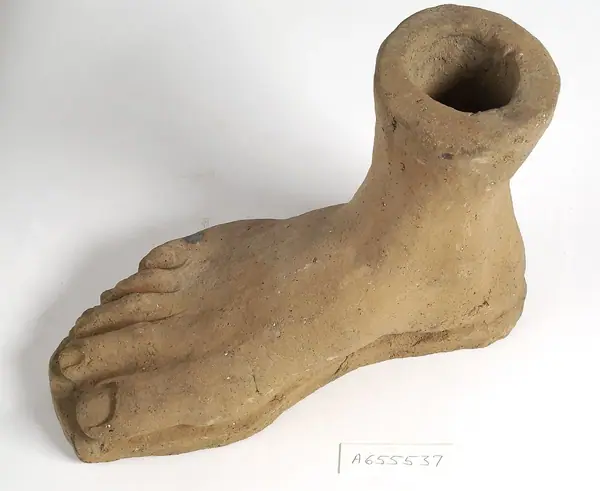 A clay-baked foot. Roman votive offering
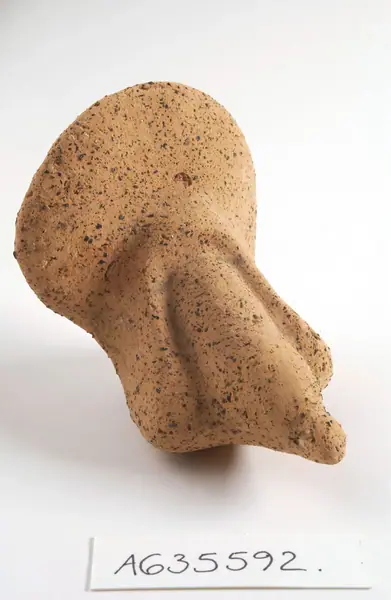 Clay-baked male genitalia. Roman votive offering
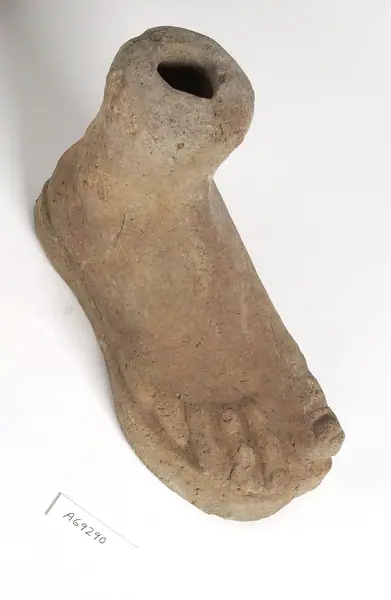 A clay-baked foot. Roman votive offering
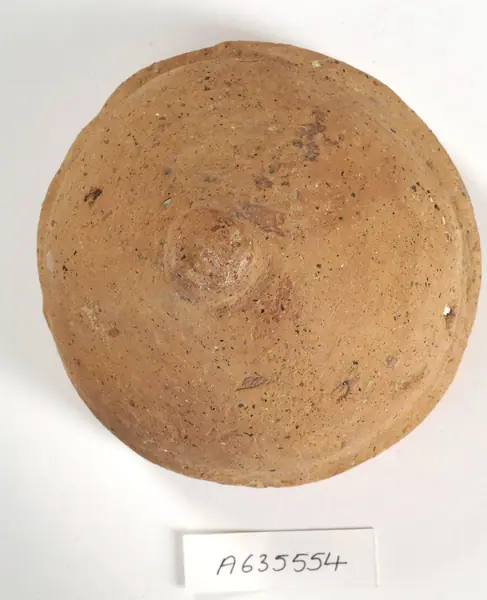 A clay-baked breast. Roman votive offering
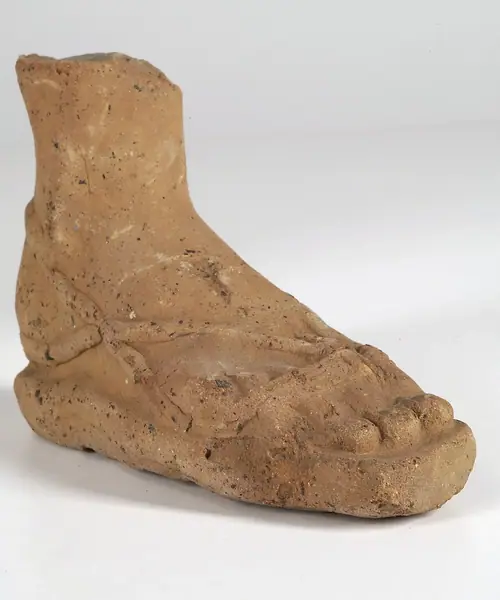 A clay-baked foot. Roman votive offering
More from Greece, Etruria & Rome: Gorgoneion (Medusa head) · Bullae · Lunulae (crescent pendants) · Magical gems (Abraxas, Chnoubis) · Amulet capsules & gold lamellae · Herakles knots & Sabazios hands · Other & unsorted Greece
Every type in the gallery
Anything in the gallery can be made: any piece, any tradition, in its own material or yours, by hand from the documented original. Numbered. Price on commission, quoted before anything is made. I reply within one business day.